• Skip to primary navigation
  • Skip to main content
  • Skip to primary sidebar
  • Skip to footer
  • Mesa Office (480) 325-3310
  • Gilbert Office (480) 633-0666

Farnsworth Orthopedic Physical Therapy

Orthopedic Physical Therapy

  • Meet Our Therapists
  • Blog
  • What We Treat
  • See What Our Patients Say!
  • FAQs
  • Contact Us
  • New Patient Forms

Blog

Give Me 5 for Improved Health

February 2, 2022 by Gabby

Five Simple Steps to Improve Your Health

#1

Staying Active: An active lifestyle doesn’t mean you have to go to the gym for multiple hours a day, every single day.  Adding a walk outside for 20-30 minutes or doing some light yard work or house cleaning will help you burn extra calories throughout the day and elevate your heart rate.

#2

Eating: Many factors play into healthier eating habits but balance and portion size are key. You can still enjoy a cheat meal or dessert once in a while, but do not make it a habit every day. Simple choices such as having 1 cookie instead of 4 or enjoying that cookie with a salad prior will help improve your health. Also, when planning your meals, make sure you are having a balanced diet with appropriate portion sizes of proteins, carbohydrates, fruits and vegetables, and healthy fats.


#3

Resting/Sleeping: You often hear that you should be achieving 6-8 hours of sleep, which is true.  Setting a bedtime routine is important for good sleeping habits. Activities such as reading, setting aside time to meditate, and/or reducing screen time before going to sleep help your body naturally promote a relaxed state. This will allow you to wake up feeling refreshed and energized.

#4

Drinking water: You have probably heard plenty of times that drinking water is important… and it is! Over half of your body is made up of water, and it is vital to stay hydrated so that all of your organs function properly. Also, there are no calories in consuming water, which is much better than sugary sodas and juices. Staying hydrated will also help decrease food cravings and hunger between meals.

#5

Mental Health: Mental health is a major discussion topic these days and is very important to your health and well being. One way to improve your mental health is to practice gratitude. Starting off the day by naming 3 things you are thankful for can improve your mood for the rest of the day. Additionally, setting aside time for self reflection or meditation can help reduce stress and anxiety, especially during the difficult times we live in.

Filed Under: home exercise

Foam Rolling for a Sciatic Solution

December 27, 2021 by Gabby

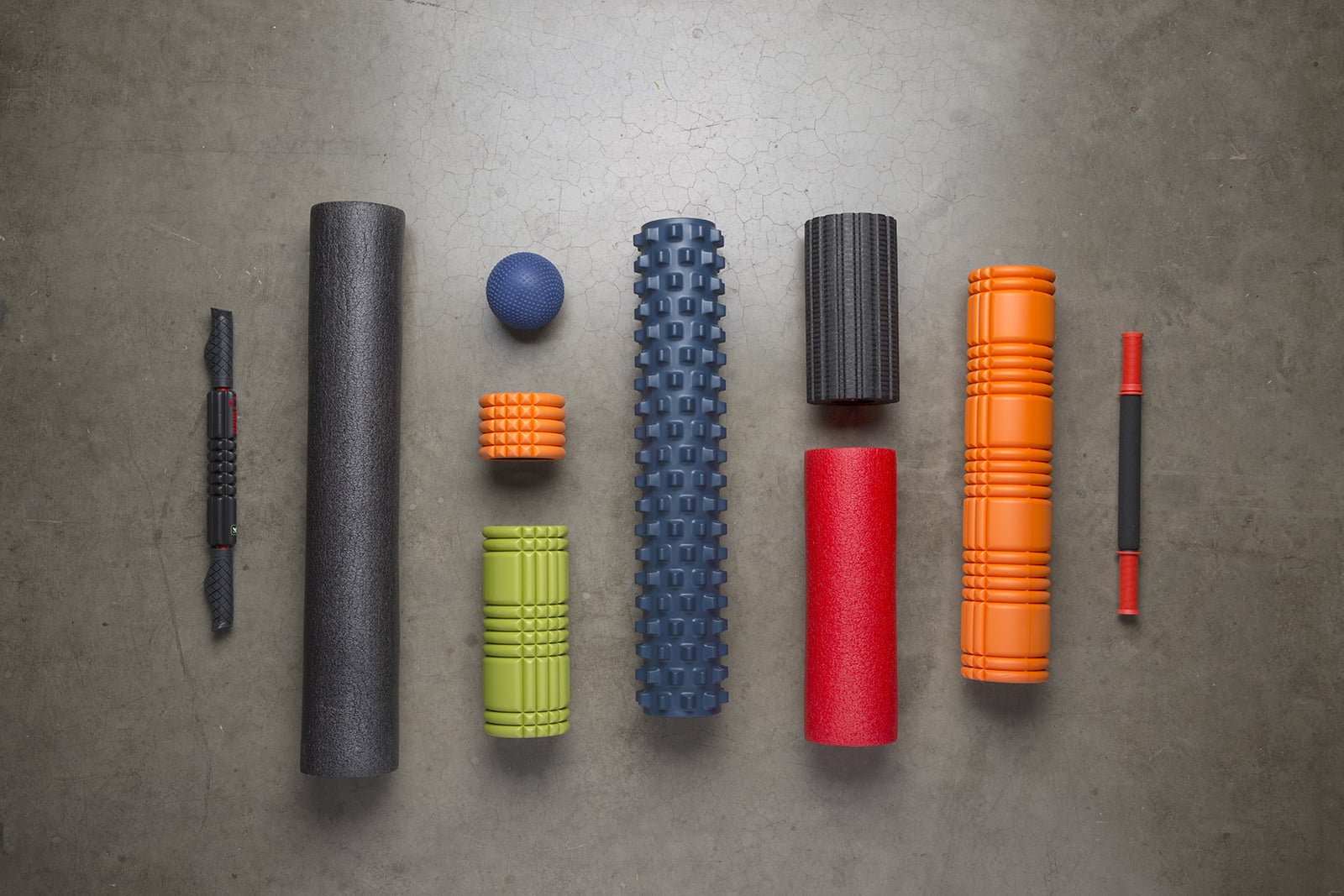
If you’ve got sciatica, you know that the struggle is real. Sciatica symptoms often come with a lot of frustrating muscle stiffness and pain that makes it hard to lead a normal life. Using a foam roller for sciatica pain can be a great tool for getting on track to recovery. What’s great about a foam roller is that it doesn’t cost much and you can use it in the comfort of your own home.

What Does it Do?

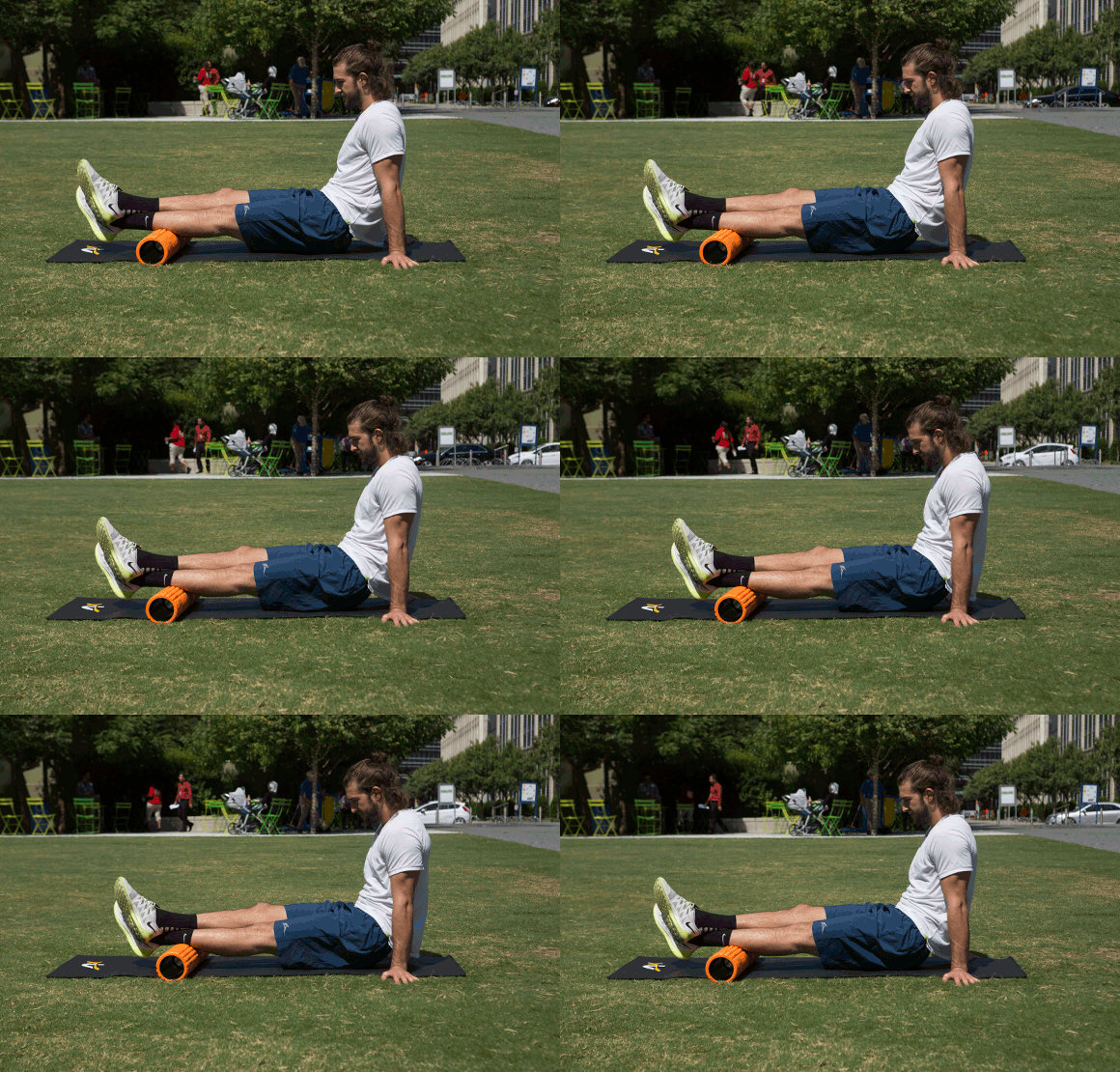
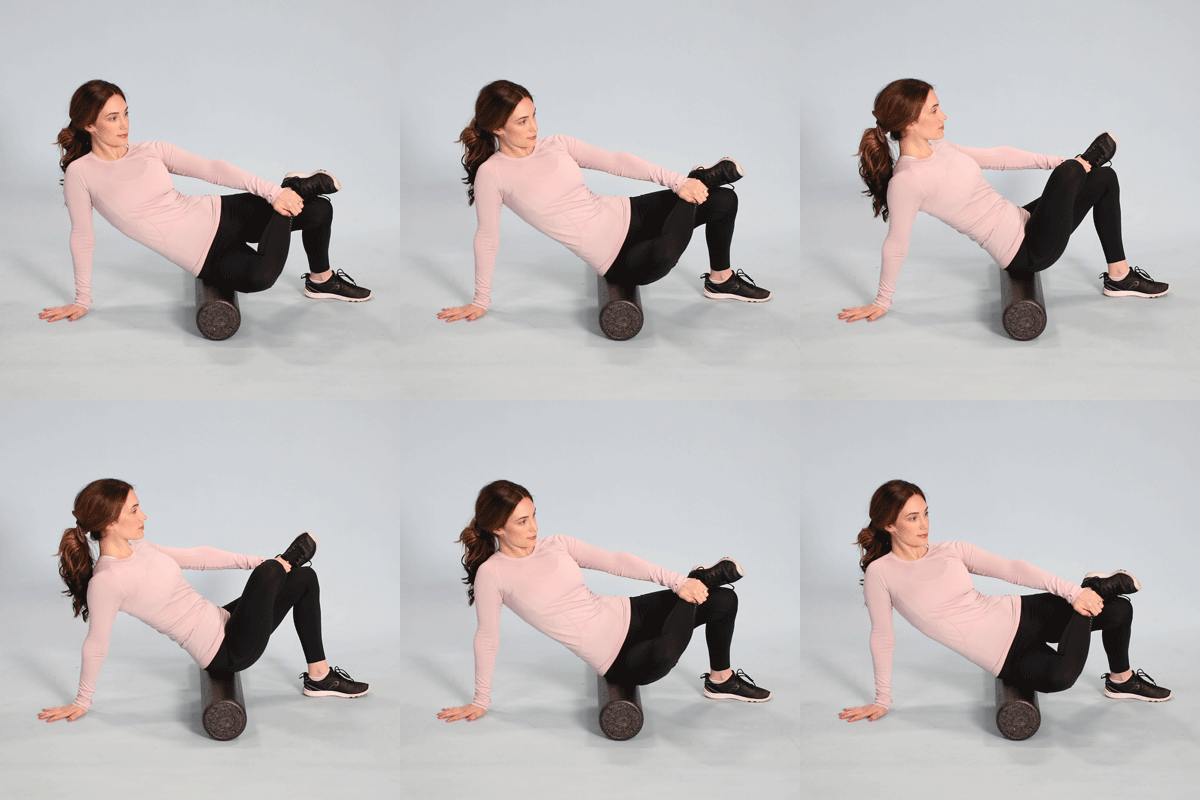
Foam rolling is a technique that involves rolling up and down, or holding sustained pressure, on certain areas and muscles. Sciatica usually involves tight calves, hamstrings, glutes, and lower back muscles. A foam roller is a perfect tool for addressing all these problem areas in your legs. But, we don’t recommend using one directly on your lower back due to the strain it can put on your spine.

What are all the benefits?

  • Increased circulation to affected areas to promote healing
  • Improved tissue extensibility to relieve back pain
  • Muscle relaxation
  • Improved muscle balance

How Do I Use It?

There are two primary ways you can use a foam roller, rhythmic rolling or sustained pressure. Either way, you will use it on a specific muscle group with the following set up:

  1. Lay the foam roller on the floor in an area where you have plenty of space to move and stretch.
  2. Sit in a position that allows you to easily reach the muscle group you want to address (for example sit with the roller behind you for your glutes or upper back, versus facing it for your calves or hamstrings).
  3. Use your arms to lift your rear end just slightly off the ground. This will help facilitate either a back and forth rolling movement or allow you to roll until you find a sore spot.
  4. Once a sore area is located, then relax and ground yourself back into the floor as you hold that specific position.
  5. The pressure of a foam roller can be hard to tolerate at first. You can modulate the amount of pressure by putting more weight through your arms or leaning less into the roller itself.
  6. Alternatively, you can use more of your body weight or leaning strategies to intensify the pressure as well.

If you’re not sure how to start don’t hesitate to come in a visit our physical therapy office.  Our expert therapists can teach you exactly which muscles and which techniques to use at home with your foam roller.


Filed Under: back, pain, sciatica, treatment

It’s Hip to Get a Good Night’s Sleep

December 27, 2021 by Gabby

When you have chronic pain, you tend to have a hard time getting a good night’s sleep. Pain and discomfort can distract you from falling asleep or keep you from falling into a deep sleep, when every little movement causes a flare-up with your pain. If you struggle with hip pain, then you may have difficulty finding a comfortable position to rest in because of the pressure and strain on your hip joints. When you are unable to sleep well, it can also make it difficult to heal after an injury or condition that is hurting you.

What Causes It?

Sciatica

The sciatic nerve is located at the base of your spine and travels throughout your hips, buttocks, and legs. When the sciatic nerve is aggravated or injured, it can cause a specific type of discomfort and pain in your lower back and lower half of your body known as sciatica. Some causes of sciatica are caused by a herniated disc in your lower back or spinal stenosis.  You may notice that certain movements or positions can make the pain worse. Common symptoms of sciatica pain include tingling, weakness, and numbness, most commonly in just one of your legs.

Tendonitis

This refers to inflammation that affects tendons that connect muscle and bone. If you develop inflammation of a tendon in your hip, you might experience pain and discomfort with even the smallest of movements. Irritation and inflammation of tendons can lead to muscle tightness, tenderness, pain, and weakness in the area. Tendinitis is common in people who do sports with repetitive hip and leg movements, like running, swimming, and cycling.

Hip Bursitis

All of your joints have fluid-filled sacs that offer support to your joints. These fluid-filled sacs are known as bursae and if one of these becomes inflamed in your hip joint, then you might be diagnosed with hip bursitis. This condition is most often caused by repetitive movements that put strain and stress on the joints, leading to inflammation. If you have hip bursitis, your hip may feel achy and stiff, and you might feel pain with certain movements. Hip bursitis can also lead to sharp, shooting pains and swelling and redness in the area.


What to Do At Home

If you experience hip pain when sleeping, the first thing you might try to do is readjust your sleeping position.

Sleep on Your Side

One side may be more comfortable than the other, but side sleeping is a great position for relieving sciatica pain. You can even use pillows to help keep a natural separation between your knees and better support your lower back.

Try Sleeping on Your Back

Sleeping on your back might work best for you, but it may require a bit of trial and error. Try putting a pillow (or two) under your knees to relieve some pain. If that doesn’t work or you’re still uncomfortable, try a pillow or rolled-up towel under your lower back too.

Use Some Extra Pillows

Sometimes a pillow between your knees or under your back can make all the difference. You might want a body pillow or several extra pillows to help you get even more comfortable and maintain your pain-free position throughout the night.

You can also try taking a warm bath or icing the area before going to bed. This can help reduce inflammation in the area while also providing some pain relief. Also be sure to follow good sleep habits, like reducing screen time before bed, avoiding caffeine, and keeping your room at a good temperature. Additionally, you should ask your physical therapist about helpful stretches and exercises to try before bed that can help stretch out muscles that have gotten tight and stiff.

How can we help?

Our physical therapists can help provide you with tips and tricks to relieve hip pain while you sleep. This may include stretches and exercises to improve your strength and flexibility in that area. The supportive muscles, tendons, and other soft tissues that support your hip joint need to be strong and flexible in order to work properly and not cause pain. Your physical therapist can also teach you about foam rollers as well as stretches and exercises to do before and after workouts. Performing certain movements and stretches can also reduce pain if you sit or stand for long periods of time at your job.

If you are suffering from pain in your hips and it’s keeping you up at night, come in and see us at one of our offices.  We can get you back to sawing logs in peace.


Filed Under: pain, sciatica, sleep, treatment, Uncategorized

FOOSH!

December 8, 2021 by Gabby

Fall On Outstretched Hand

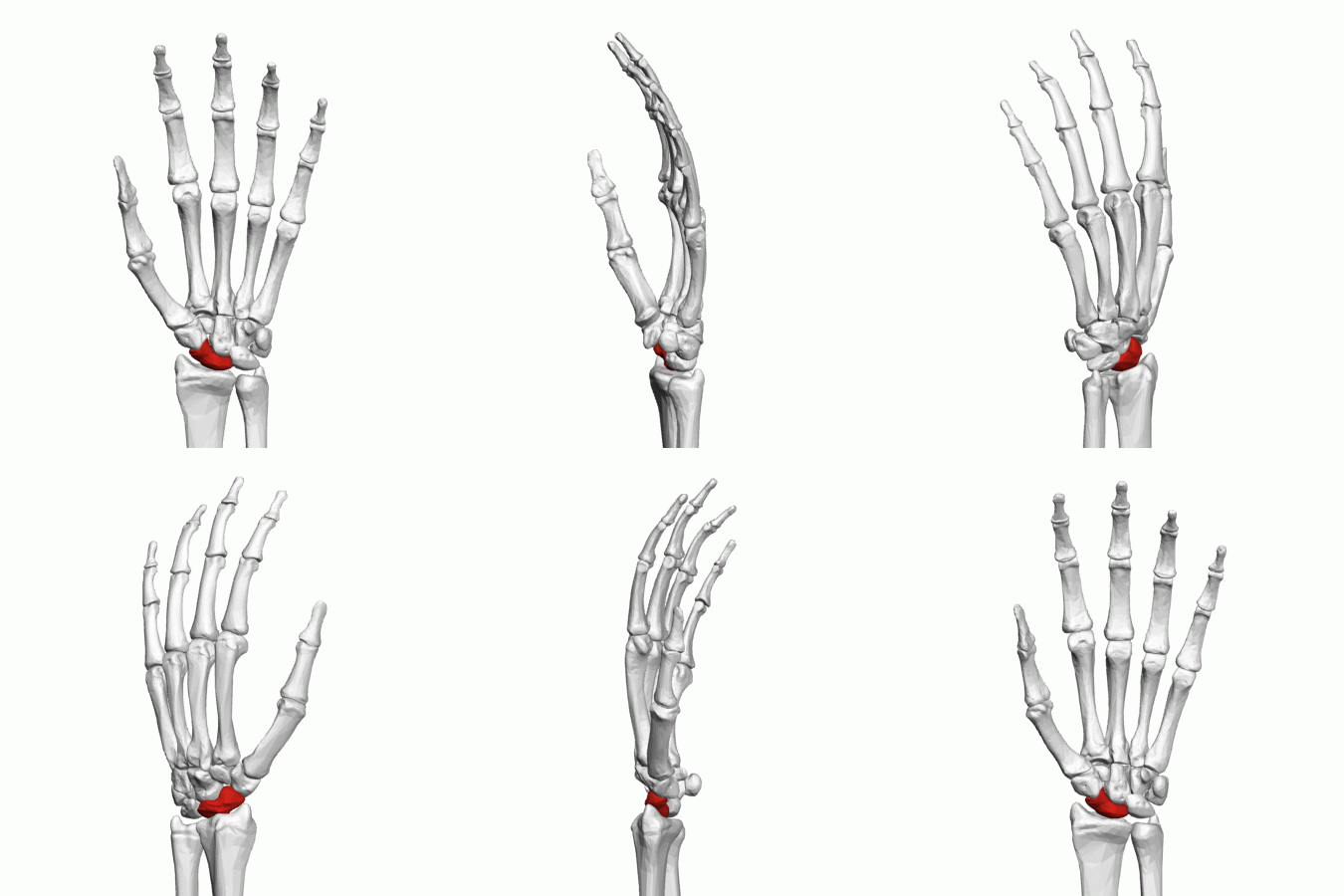
Have you ever seen someone fall or had a fall yourself? Typically when you fall, you attempt to use your arm to brace and break the fall. This is your body’s natural reaction. However, it can lead to other complications of the wrist and hand. One of the most common injuries following a FOOSH (Fall On Outstretched Hand) injury is a scaphoid fracture. The scaphoid is one of the small bones in your wrist which sits on the thumb side of the hand. The term scaphoid comes from the Greek work “boat” as the bone can resemble a small boat because of the curved shape it possesses. A scaphoid fracture can occur in people of all ages, as falls can happen at any age.

(A greek cat in her “small boat”)


Treatment

The scaphoid has a unique blood flow compared to other bones in the body making it a bit more complicated to treat and heal. Most fractures can heal within about 6-8 weeks, but because of the blood flow, it usually takes at least 12 weeks to heal properly. Often, a scaphoid fracture is treated initially with casting of the hand and wrist for about 4-6 weeks. At that time, patients are usually sent to physical therapy in order to further progress blood flow to the area, as well as restore the normal motion of the wrist and hand.. It is essential to restore your normal range of motion and strength to prevent further complications down the road. Rarely, if casting is not effective or there is displacement in the fracture, surgery can be necessary. However, casting the wrist and physical therapy to follow is usually sufficient during treatment.

Come In for Help

With physical therapy being such an integral part of recovery for a scaphoid fracture, either before or after casting of the arm, it is important to help restore the normal motion and strength of the hand and elbow. If you feel that you have an issue with your wrist or have had a recent scaphoid fracture, feel free to contact our office to see how we can help you.


Written by Casey Badder PT

Filed Under: fall risk, pain, treatment

Are We There Yet?

November 22, 2021 by Gabby

Physical therapy relieves pain, improves range of motion, and accelerates your recovery from injury or surgery. Whether you’re just starting your physical therapy journey or you’ve been at it a while, you may be asking yourself, “How much time does physical therapy take?”

Don’t get discouraged if you aren’t seeing the results you want immediately. Physical therapy isn’t an overnight cure; it’s a process that involves a lot of hard work. The length of treatment is different for everyone, and it is nearly impossible to predict exactly how long it may take for a patient to make a full recovery.

Also, in some cases a full recovery may not be possible. You may never reach the same level of ability that you had before the injury. But the goal of physical therapy is to help you achieve the maximum ability possible.

Factors that Affect Treatment Time Length

1) Which part of your body is the problem. Some areas of your body are able to heal faster than others. For example, muscles tend to heal more quickly than tendons or ligaments.

2)  The extent of the injury. A major injury will typically require a longer time in physical therapy than a minor injury.

3)  The level of effort the patient exerts. Your physical therapist will help you through your exercises and teach you what to do, but you must do the work. The harder you try and the more effort you put forth, the faster your recovery time will be. But don’t over do it. If you try to do too much before you are ready, you could do more harm than good.

4) How quickly you heal. Everyone heals at different rates. There is no mathematical equation for the healing of the body. Your amount of time in physical therapy may be different than someone else’s, even if you have similar injuries.


Average Healing Times for Various Tissue Types

As stated above, the length of healing time is partly determined by the body part affected. Different tissue types will heal at different rates. Here’s a breakdown of the average healing times for different tissues:

Muscle: 2-4 weeks

Tendon: 4-6 weeks

Bone: 6-8 weeks

Ligaments: 10-12 weeks

Cartilage: up to 12 weeks

The key to healing is blood flow. The reason muscle heals the fastest of any other tissue is that it has a rich blood supply that provides nutrients and oxygen that are necessary for healing. Tendons and ligaments have a limited blood supply, which is why they take longer to heal. Our goal in physical therapy is to stimulate blood flow to accelerate healing.


Cartilage has no blood supply, which makes it extremely slow to heal. Cartilage receives lubrication from fluid in the joints through movement. This is one reason why knee and hip physical therapy can take longer. But it also explains why physical therapy can help to accelerate healing, as movement promotes joint lubrication.

Bone requires load bearing in order to heal. Bones are made to support weight, but a broken bone cannot support as much weight as a healthy bone. After a break, the bone should be immobilized for a period of time, but as healing progresses, applying weight to the bone can promote healing.

Feeling Impatient About Your Progress?

Are you still wondering, how long does physical therapy take to work? If you don’t feel that you are making adequate progress in physical therapy, ask your physical therapist. They will be able to give you a time frame and specific goals you should meet along the way.  It’s normal to feel impatient and to want to be healed as soon as possible.  The important thing is that you continue to use physical therapy and make good decisions that will contribute your healing process.


Filed Under: health, treatment, Uncategorized

Like a Boss

November 2, 2021 by Gabby

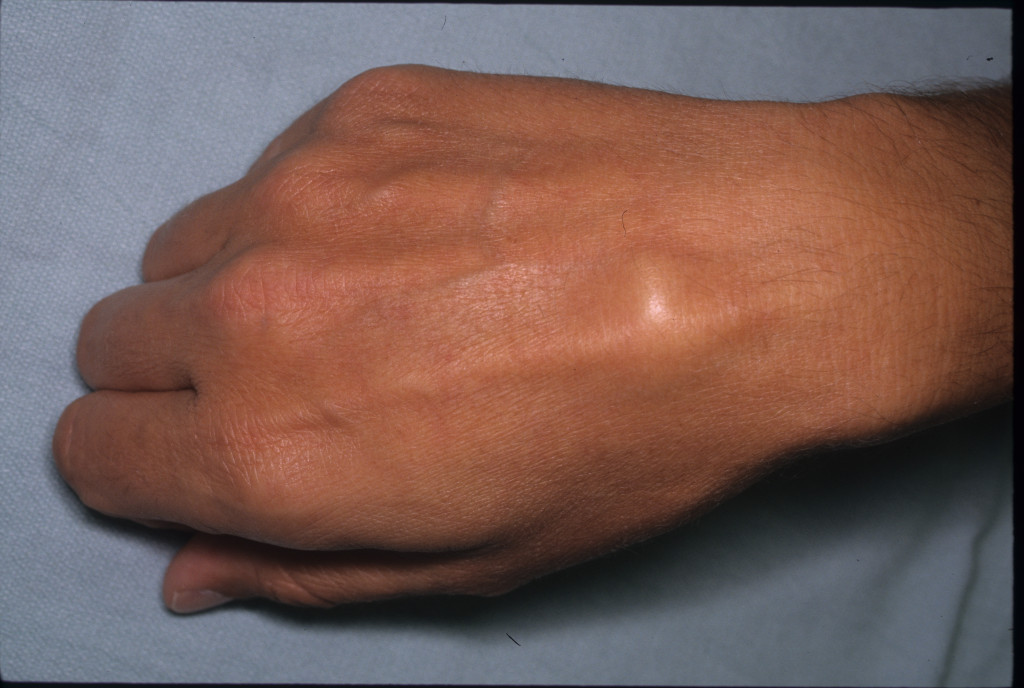
A carpometacarpal boss is also known as a bossing. It is a bony overgrowth or lump on the back of your wrist at the base of your pointer finger or middle finger.

Causes

We don’t know what causes a boss exactly. Some people develop a carpometacarpal (CMC) boss following a traumatic injury or activities that involve repetitive wrist motion such as golf or racquet sports.

Signs and Symptoms

This problem is usually noticed in young adults between 20 and 40 years old. Men and women have this issue at about the same rate. Usually, it occurs on one wrist, but occasionally it can be present on both. Patients often notice a firm, immovable bump on the back of their wrist or hand. It can be painless or tender and achy.

Pain occurs when moving your wrist up and down. Painful or painless snapping of the tendons that straighten your fingers over the boss can occur. The boss is frequently mistaken for a ganglion cyst because they look the same and show up in the same places. Some patients can even have a ganglion on the boss itself!

Treatment

There are different treatment options available depending on how long you’ve had the boss, and what kinds of problems it is causing. If it is painless, you don’t need to do anything else. If it’s painful, you need to avoid movements and tasks that bring on the pain.


Treatment options include:

  • Physical Therapy
  • A wrist splint to immobilize and rest the wrist
  • Icing of the painful area
  • Pain relievers such as Motrin or Tylenol
  • Steroid injection

You need surgery if your issue has been painful for an extended period of time, if non-surgical treatment has failed, or if there is painful snapping of the tendons. Surgery involves removing the boss. After surgery its normal to have pain and swelling. It may take several weeks to months to improve. In some patients, the pain does not completely go away and the joint may need to be fused, which is a separate surgical procedure.


Written by Travis Rohner PT

Filed Under: Uncategorized

  • « Go to Previous Page
  • Page 1
  • Page 2
  • Page 3
  • Page 4
  • Page 5
  • Interim pages omitted …
  • Page 15
  • Go to Next Page »

Primary Sidebar

Categories

  • back
  • desk job
  • fall risk
  • feet
  • health
  • home exercise
  • knee
  • knee pain
  • lateral epicondylitis
  • lifting
  • pain
  • piriformis syndrome
  • posture
  • sciatica
  • shoulder
  • sleep
  • treatment
  • Uncategorized
  • welcome

Recent Posts

  • Fire and Ice
  • Plantar Fasciitis
  • Achilles Heel
  • Piriformis Syndrome
  • Weird Flexors? Okay.

Footer Insurance

We accept most insurances!

See a list of our preferred providers.

Footer

Common Ailments & Injuries

50 years of experience has brought us a lot of patients, with a wide variety of problems. We have experience diagnosing and treating all types of injuries, but here are some of the most common:

  • Ankle and Foot
  • Back and Neck
  • Elbow
  • Hand and Wrist
  • Hip
  • Knee
  • Shoulder

What Our Patients Say:

We love working with people and always want our patients to feel like part of our family when they are here. Read what some of them have said about their experience with us.

Patient reviews


Sub Footer

Areas Served:

Mesa, Gilbert, Chandler, Phoenix, Queen Creek, Apache Junction, Tempe, Globe, Gold Canyon

Postal Address

Gilbert Office
730 N. Greenfield Rd.
Gilbert, AZ 85234

Phone: (480) 633-0666

Mesa Office
342 N Val Vista Dr. Suite 106
Mesa, AZ 85213

Phone: (480) 325-3310

FoptAZ.com

  • Home
  • Meet Our Therapists
  • Blog

© 2025 All Rights Reserved Farnsworth Orthopedic Physical Therapy