• Skip to primary navigation
  • Skip to main content
  • Skip to primary sidebar
  • Skip to footer
  • Mesa Office (480) 325-3310
  • Gilbert Office (480) 633-0666

Farnsworth Orthopedic Physical Therapy

Orthopedic Physical Therapy

  • Home
  • Reviews
  • FAQs
  • Contact us
  • Meet Our Therapists

Uncategorized

Plantar Plate Tear

August 8, 2021 by Julie

What is it?

Your plantar plate is a thick ligament that runs along the ball of your foot, connecting to the joints. A plantar plate tear is a common foot injury which is caused by repetitive overload. Your plantar plate is a ligament that is on the underside of the joints at the ball of your feet.
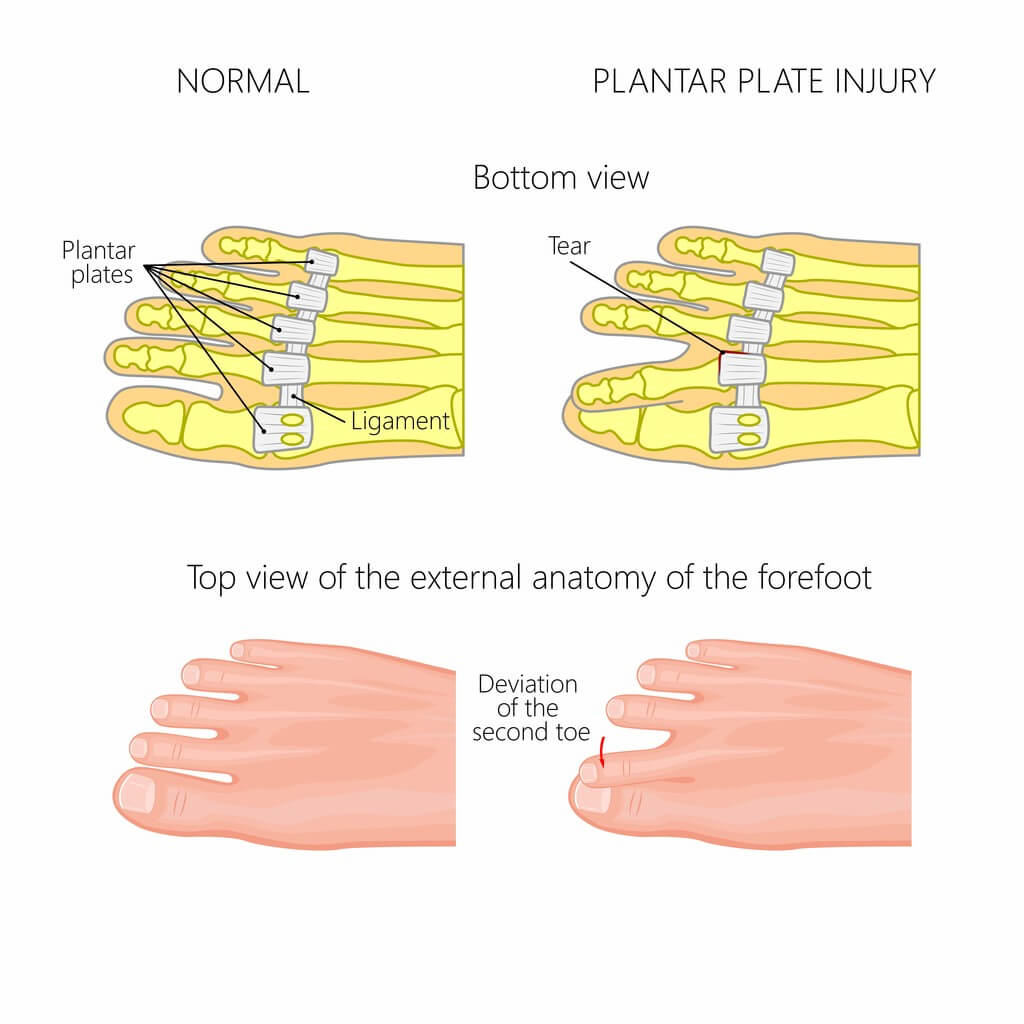
Persistent pain and swelling under the ball of the foot that extends towards your toes is often the first sign of a plantar plate tear. This pain may be reproduced by bending your toe upwards. Some swelling may be visible on the top of your foot. Sometimes there can be redness. Often a sensation of ‘walking on the bones of the foot’ will be described, and a ‘V’ sign between the toes may be present, where two toes have separated further from one another than what is normal due to a plantar plate tear. You may experience swelling, and tenderness underneath the joint.

Causes

The reasons for the overload can be due to the your individual anatomy, over pronation (rolling in), hyper-mobile joints and incorrect casual and/or running shoes.

Treatment

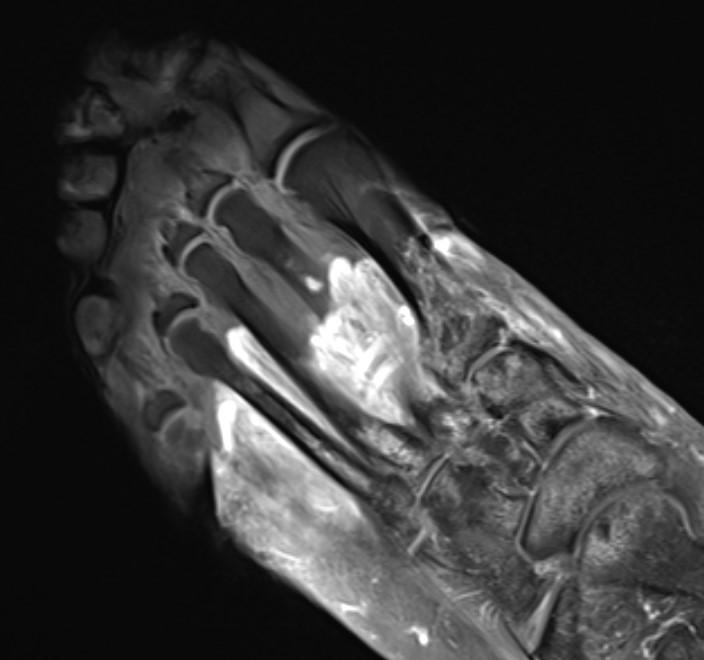
A special test called the modified Lachman’s test can be performed by your therapist to assess your situation. Ultrasound or MRI  can sometimes be important to determine the extent of a potential tear. This is especially true if you have a lot of pain or a claw toe deformity.
Treatment involves offloading the area using padding and stiff-soled shoes. A taping technique called ribbon taping can be used to reduce any claw toe deformity . Icing, non-steroidal anti-inflammatory drugs and active rest is also important to help settle the condition down.  An orthotic can be used once a positive result has been obtained using functional foot taping. A metatarsal pad is added onto the device as well to deflect pressure away from the affected area and to improve loading patterns.

Written by Travis Rohner PT

Filed Under: feet, treatment, Uncategorized

I Have a (Shoulder) Hunch…

July 21, 2021 by Julie

Good Posture

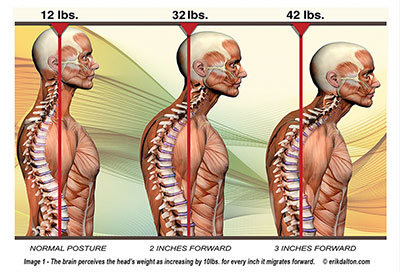
Good posture isn’t just for taking pictures with your family, there are real impacts to overall health that result from hunching shoulders. Our lives day to day shape our posture. Allowing bad posture to happen makes it more difficult to fix.  Over time, if you keep your shoulders hunched your muscles will become trained to think hunched shoulders and a bent neck are natural.

A Life That Leads to Hunch

Looking at our phones and sitting at a computer has become a major part of all of our lives. Unfortunately, both of these encourage really poor posture. Often, hunched shoulders develop unconsciously through a few different ways. It could be unsupportive chairs, frequently carrying heavy objects, or avoiding attention in uncomfortable situations. Hunched shoulders  negatively impact your appearance and body language. It also creates stress and pain in your neck, shoulders, and upper back. If left untreated poor posture can lead to chronic pain, fatigue and even difficulty breathing.

Diagnosis

Our physical therapists can judge if you have hunched shoulders and how severely. There are also simple tests you can do at home that can show if you have hunched shoulders. An easy way to check is to have a family member or friend look at your posture. One indicator is if you appear to be slouching even if you try standing up straight. Another sign is if the palms of your hands face behind you when you are standing at rest. With normal posture your thumbs face forward, and your palms face inward but hunched shoulders will force your thumbs to point inward and your palms to face back.

If you are experiencing low back, neck or shoulder pain, a physical therapist will be able to assess your posture and determine the source of your discomfort. If you are experiencing posture related symptoms, a physical therapist can develop personalized treatment plan aimed at correcting the corresponding weakness. Hunched shoulders could be a sign of more complicated weaknesses or dysfunction as well so it’s important to speak with a medical professional as soon as possible.

Treatment and Exercise

There are ways to treat and prevent hunched shoulders. A physical therapist will provide you with a unique exercise and stretch routine to address weaknesses or dysfunctions discovered during your initial evaluation. Just as the muscles and joints had learned to hold poor posture at rest, they can be strengthened and trained to hold good posture.

Stretches at Home

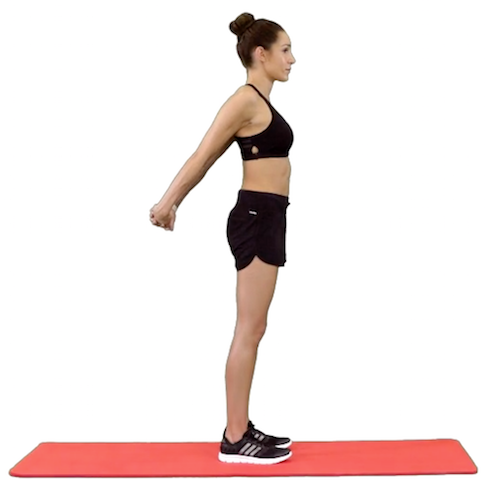
Handclasp

The handclasp stretch is simple and can be done every day. Standing up straight with your hands by your sides, reach your hands behind you to clasp them together.

Gently, pull your shoulders back, while being careful not to allow your neck to push forward.

Your shoulders should be pulled back until your chest opens and a deep stretch is felt. The position should be held for 30 seconds.

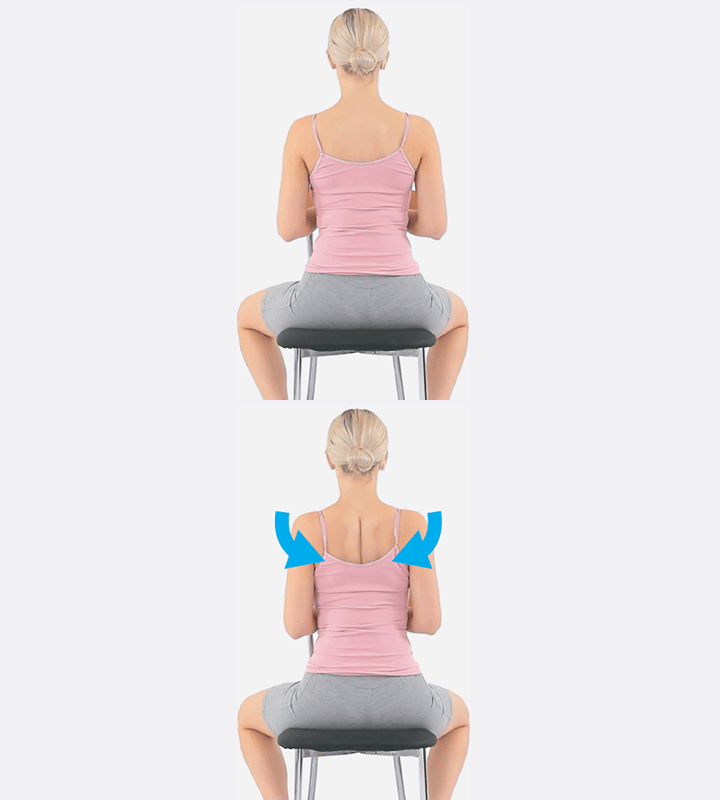
Shoulder Blade Squeeze

This basic exercise reminds your body what good posture feels like and helps build strength throughout the day.

Sitting up tall, you should move both of your shoulder blades together, as if trying to hold a tennis ball between them. As they flex, your shoulders should move down and away from your ears.

This position should be held for 10 seconds and repeated 10 times.

Come and See Us

There are many more stretches to be done at the physical therapy office and at home.  Come see our expert therapists who will teach you the stretches and exercises that will be most beneficial for your condition.  We will get you standing upright and in family picture shape in no time.

Filed Under: Uncategorized

All the Rest

June 25, 2021 by Julie

Everyone Needs It

An often overlooked but crucial part of recovery and healing is rest. Rest allows the body time to repair and rebuild between workouts or therapy appointments. This is true for high level, elite athletes, as well as those of us who are… not.  No matter who you are or what your goals are, rest is vital for your health and recovery.


Rest comes in many forms, both physical and psychological. These include, but are definitely not limited to, adequate sleep, nutrition, massage, cryotherapy (ice) and recovery tools such as percussion massage and compression boots. Even taking the time to relax and de-stress is a major way to let your body heal and recover.


Sleep

One of the easiest ways to elevate your healing is to get quality sleep every night.  Sleep may be one of the most important things you can do for yourself.  Sleep allows the body time to recover, repair and replenish stores that were depleted after workouts, injuries, and treatments. Most adults need 7-9 hours of sleep per night.  However, sleep is very individual, so try getting different amounts of sleep to determine what your body needs to recover and have you feeling your best. Here are some tips to getting more quality sleep:

  • Try blackout curtains or a sleeping mask to darken your room.


  • Avoid eating a large meal just before bedtime.


  • Avoid exercising right before going to bed.


  • Keep your bedroom cool and comfortable.


  • Avoid using your smartphone before bedtime and while in your bed.


  • Avoid caffeine, alcohol and nicotine before bed.


  • Stick to a sleep schedule. Try to go to bed and wake up at the same time every day/night.


Rest During Treatment

Whether you are recovering from surgery, healing an injury, or just surviving the stresses and troubles of life, make sure you are taking the time to rest.  It’s what your body needs.  Your therapist may recommend that you rest from certain activities while you are treating the part of your body giving you trouble.  It’s important to follow these recommendations and give your body the space and time to heal.

Filed Under: Uncategorized

Updated COVID-19 Protocol

June 18, 2021 by Julie

We know it’s been a long, exhausting, and upsetting year for everyone. We are excited that many of the restrictions for the Covid-19 virus have been removed due to the fact that the vaccine is available to everyone now. We are happy to let you know that every employee at both of our locations has received the Covid-19 vaccine. Because of this, we are no longer requiring our staff to wear masks. Our safety and sanitary protocols will remain very much the same as they have been all along. As a medical office, we sanitize our rooms and equipment regularly. Additionally, we have handwashing stations and hand sanitizer available to staff and patients at any time. Our patients comfort and safety has always been our number one priority. If you would like your therapist or PT technician to wear a mask when they work directly with you, please let us know, and we will be happy to accommodate your request. Masks are always welcome for unvaccinated or high risk patients, and we encourage staff members and patients who are sick to stay home. Thank you for your cooperation through these difficult times. We look forward to seeing all of your full faces!

Filed Under: Uncategorized

Labrum Issues

December 7, 2020 by Julie

The Labrum

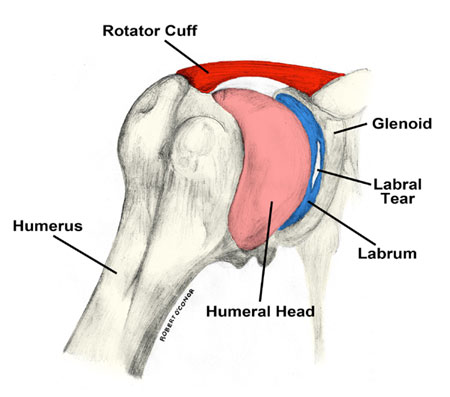
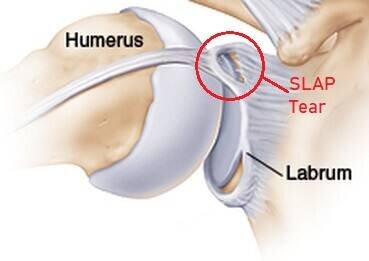
The labrum is a cup-like structure in the shoulder that reinforces the socket portion of the ball-and-socket joint. The joint in the shoulder is rather shallow. This causes it to rely on the labrum as well as the surrounding rotator cuff muscles. It is composed of fibrocartilage which doesn’t easily regenerate on its own.. Damage to the labrum occurs from repetitive stress to the area. An injury to the bicep which attaches to this part of the shoulder, as well as dislocations to the shoulder joint can cause damage as well.

Tears

A labral tear is most commonly seen in overhead athletes. These are athletes such as volleyball or baseball players, or to those who have repetitive dislocations of the shoulder. A SLAP tear happens when you tear the upper part of your labrum from forward to back. This high energy, quick movement  can cause this to happen as it puts unwarranted stress on your bicep and labrum. A Bankart tear happens when there are recurrent dislocations of the shoulder joint. This can tear the lower portion of your labrum. This causes shoulder instability over time, which causes the shoulder to dislocate multiple times.

Symptoms

Symptoms of a labral issue include shoulder instability and weakness. You may also experience pain in the shoulder joint. Other symptoms can include grinding, clicking, or catching when you move your shoulder. Depending on the severity of the injury, you may need surgery to help correct it. As mentioned before, there is little to no regeneration of this part on its own. However, physical therapy and cortisone injections will help restore the mobility and strength. If physical therapy fails or if the initial injury is severe enough, surgery may be warranted to correct the torn labrum. This surgery can include arthroscopic cleaning of the joint, removing the torn areas, and/or relocating the bicep to prevent further stress to the area. The surgeon will determine that based on the patient situation and injury severity.

Treatment

Physical therapy is an integral part of rehabilitation of a labrum injury. This is true whether surgery is needed or not. If you have had a sports related injury, multiple shoulder dislocations or any of the symptoms above, please do not hesitate to contact our office for further evaluation.


Written by: Casey Badder PT

Filed Under: health, lifting, pain, shoulder, treatment, Uncategorized

If You’re Snappy and You Know It

May 31, 2020 by Julie

Snapping Hip Syndrome

This syndrome gets its name from the snapping sound made in the hips from those who suffer from it.  It also gets called Dancer’s hip, since it’s a common issue experienced by dancers and certain athletes.  It is usually caused by the tendons of the iliotibial band and gluteus maximus snapping over the greater trochanter of the femur. But unless you’ve been taking some serious anatomy classes, that likely means nothing to you. Basically, things get too tight in your hips and some parts slide over other parts making a snapping sound.

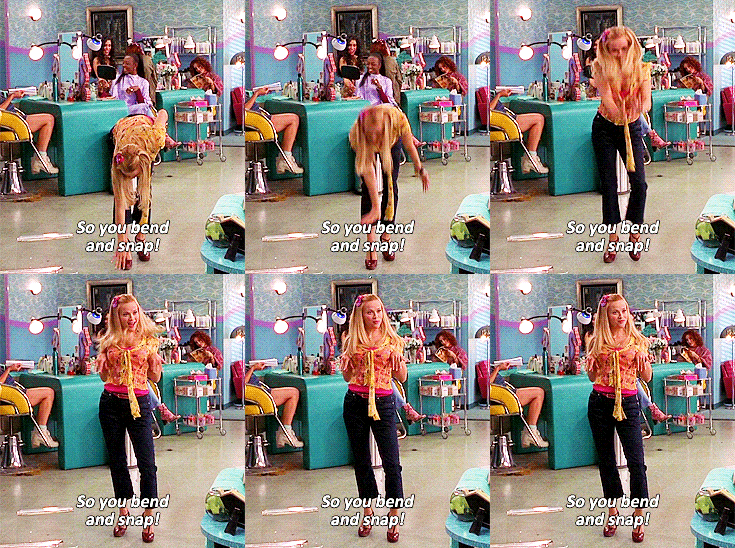
(The bend and snap move can be a cause of snapping hip syndrome)

Whose Hips are Snapping?

Snapping hip affects approximately 5% to 10% of the population. The majority of patients experiencing painless snapping. It is slightly more common in women than in men. People typically affected include those who do repetitive extreme hip motions, including ballet dancers, weight lifters, soccer players, and runners.  It can be painless sometimes, other times there can be pain involved.  Either way it’s a troubling experience.  But if you are experiencing a snapping hip, there is hope!

Treatment

Snapping Hip is something we can treat in our offices.  One major part of solving your snapping hip woes will be stretching.  Here are a couple of stretches you can do on your own.


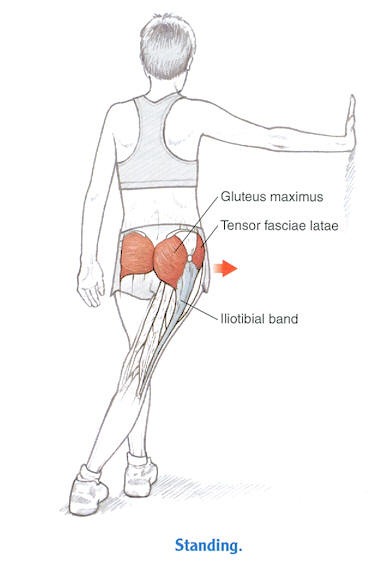
First, the ITB stretch:

  • Stand next to a wall for support
  • Cross the leg closest to the wall behind your other leg
  • Move your hip toward the wall – you should feel a stretch at the outside of your hip. Hold for 30 seconds.
  • Repeat on the other side.

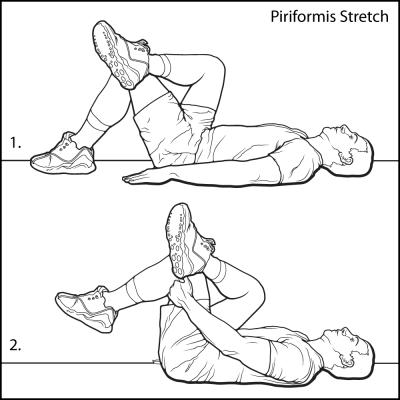
Next, the Piriformis stretch:


  • Lie on your back and cross the foot of the affected hip over the opposite knee.
  • Clasp your hands behind your thigh.
  • Pull your thigh toward you until you feel the stretch in your hip and buttocks. Hold for 30 seconds.
  • Repeat on the opposite side.

If you’ve got a hip that won’t stop snapping, come see us in one of our offices.  We can stretch you out and set up with a plan of care that will stop the snap.

Written by Travis Rohner, PT

Filed Under: Uncategorized

  • Page 1
  • Page 2
  • Go to Next Page »

Primary Sidebar

Categories

  • back
  • desk job
  • fall risk
  • feet
  • health
  • home exercise
  • knee
  • knee pain
  • lateral epicondylitis
  • lifting
  • pain
  • piriformis syndrome
  • posture
  • sciatica
  • shoulder
  • sleep
  • treatment
  • Uncategorized
  • welcome

Recent Posts

  • Blood Flow Restriction Training
  • Pool’s Gold
  • Deep Vein Thrombosis
  • Plantar Plate Tear
  • I Have a (Shoulder) Hunch…

Footer Insurance

We accept most insurances!

See a list of our preferred providers.

Footer

Common Ailments & Injuries

50 years of experience has brought us a lot of patients, with a wide variety of problems. We have experience diagnosing and treating all types of injuries, but here are some of the most common:

  • Ankle and Foot
  • Back and Neck
  • Elbow
  • Hand and Wrist
  • Hip
  • Knee
  • Shoulder

What Our Patients Say:

We love working with people and always want our patients to feel like part of our family when they are here. Read what some of them have said about their experience with us.

Patient reviews


Sub Footer

Areas Served:

Mesa, Gilbert, Chandler, Phoenix, Queen Creek, Apache Junction, Tempe, Globe, Gold Canyon

Postal Address

Gilbert Office
730 N. Greenfield Rd.
Gilbert, AZ 85234

Phone: (480) 633-0666

Mesa Office
342 N Val Vista Dr. Suite 106
Mesa, AZ 85213

Phone: (480) 325-3310

FoptAZ.com

  • Home

© 2026 All Rights Reserved Farnsworth Orthopedic Physical Therapy