• Skip to primary navigation
  • Skip to main content
  • Skip to primary sidebar
  • Skip to footer
  • Mesa Office (480) 325-3310
  • Gilbert Office (480) 633-0666

Farnsworth Orthopedic Physical Therapy

Orthopedic Physical Therapy

  • Meet Our Therapists
  • Blog
  • What We Treat
  • See What Our Patients Say!
  • FAQs
  • Contact Us
  • New Patient Forms

fall risk

FOOSH!

December 8, 2021 by Gabby

Fall On Outstretched Hand

Have you ever seen someone fall or had a fall yourself? Typically when you fall, you attempt to use your arm to brace and break the fall. This is your body’s natural reaction. However, it can lead to other complications of the wrist and hand. One of the most common injuries following a FOOSH (Fall On Outstretched Hand) injury is a scaphoid fracture. The scaphoid is one of the small bones in your wrist which sits on the thumb side of the hand. The term scaphoid comes from the Greek work “boat” as the bone can resemble a small boat because of the curved shape it possesses. A scaphoid fracture can occur in people of all ages, as falls can happen at any age.

(A greek cat in her “small boat”)


Treatment

The scaphoid has a unique blood flow compared to other bones in the body making it a bit more complicated to treat and heal. Most fractures can heal within about 6-8 weeks, but because of the blood flow, it usually takes at least 12 weeks to heal properly. Often, a scaphoid fracture is treated initially with casting of the hand and wrist for about 4-6 weeks. At that time, patients are usually sent to physical therapy in order to further progress blood flow to the area, as well as restore the normal motion of the wrist and hand.. It is essential to restore your normal range of motion and strength to prevent further complications down the road. Rarely, if casting is not effective or there is displacement in the fracture, surgery can be necessary. However, casting the wrist and physical therapy to follow is usually sufficient during treatment.

Come In for Help

With physical therapy being such an integral part of recovery for a scaphoid fracture, either before or after casting of the arm, it is important to help restore the normal motion and strength of the hand and elbow. If you feel that you have an issue with your wrist or have had a recent scaphoid fracture, feel free to contact our office to see how we can help you.


Written by Casey Badder PT

Filed Under: fall risk, pain, treatment

Vertigo

June 29, 2021 by Gabby

A Common Ailment

Vertigo is an ailment that effects many people at various points in their lives. A trained physical therapist can often help your vertigo symptoms. The most common cause of vertigo is due to something called benign paroxysmal positional vertigo, or BPPV for short. It’s due to a problem in your inner ear. Everyone has small structures called otoconia in your inner ear. These are normally located in the utricle and saccule in the inner ear. These structures allow us to sense where we are in space. They can become dislodged into the semicircular canals and cause BPPV.
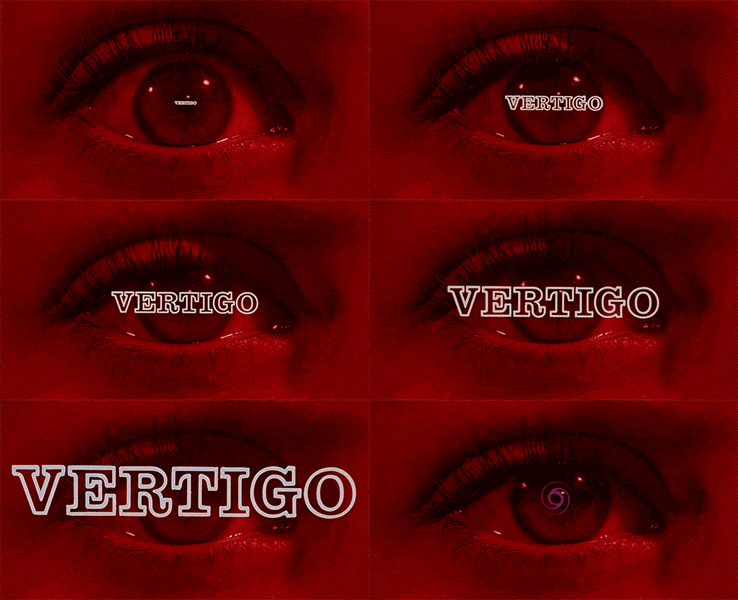
(Not to be confused with the classic Alfred Hitchcock movie, which is much more fun.)

BPPV Symptoms

  • Symptoms increase when you move your head and change positions, most commonly rolling over in bed, bending over or when you look up.
  • Common to have occurrences at the hair dresser or dentist.
  • Vertigo occurs within 1-30 seconds and resolves within 60 seconds when in the provoking position
  • Nystagmus (repetitive, uncontrolled eye movements) occur.
  • Nausea is common


Causes

  • Vertigo can occur randomly
  • Occurs in people with certain vestibular pathologies,
  • Trauma: car accidents, head injuries.


Can Physical Therapy Help?

A trained physical therapist can perform maneuvers in a few minutes that, most of the time, can resolve BPPV within 1-2 sessions. It really can be that simple! If you are suffering with this problem, schedule an appointment and get help! There are often people who live with this condition for months and even years without knowing how quickly a therapist can help them resolve it.  Not every type of vertigo can be solved with physical therapy, but we have helped so many people find the relief they have desperately needed.  Let our therapists evaluate you and see if this treatment is right for you.


Filed Under: fall risk, treatment

Osteoporosis: The Silent Disease

October 11, 2020 by Gabby

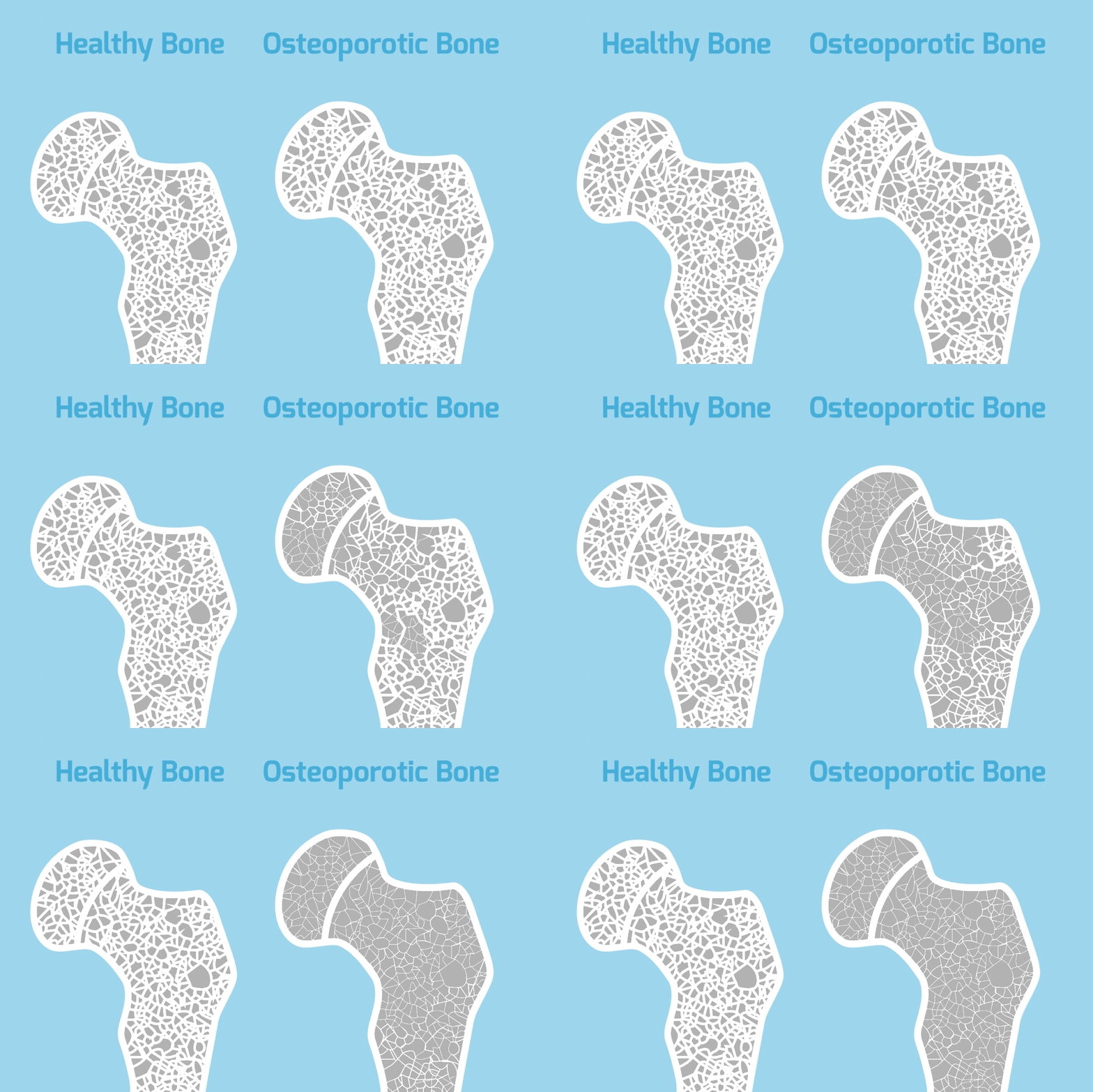
Osteoporosis is a bone disease characterized by a decrease in bone tissue. Low bone mass leads to fragile bones. It also increases your risk of fractures, especially your spine, hips, and wrists. While there is no cure for osteoporosis, it is largely preventable in most people. There are many treatment options available for those affected.

Who gets it?

This condition is most common in older women. Women who experience early menopause or have their ovaries removed before age 45 and don’t undergo hormone therapy are more likely to develop osteoporosis. Cigarette smoking, excessive alcohol, and caffeine intake contribute to the problem.  So do problems with calcium absorption in the intestines. There are also some drug treatments that can induce osteoporosis.

The Silent Disease

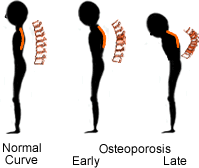
Osteoporosis is sometimes called the “silent disease”. This is because there are so few symptoms in the beginning associated with bone loss. Many people do not even know they have osteoporosis until they start getting broken bones. In severe cases of osteoporosis, symptoms include aching pain in your bones, especially in your spine. Fractures can occur without any trauma at all.  The pain can be severe. But usually you don’t have the radiating pain into your arms or legs as you would with other back conditions. After repeated crush fractures in your spine, you may develop an excessive curvature in your neck or increased mid back forward bending. Hip and wrist fractures are common, especially when associated with minor falls.

Bone density testing and X-rays are the main ways to detect osteoporosis. Your doctor can order them for you.

Treatment

Treatment of osteoporosis includes the following preventive measures:

  • Exercise – Daily weight-bearing and resistance training exercise helps reduce bone loss. It also helps you maintain good muscle tone. Walking, jogging, hiking, tennis, yoga and strength training are good-weight bearing exercises.


  • Nutrition – Calcium and vitamin D are needed for healthy bones. Most adults require 1000-1500 mg of calcium and 600 units of vitamin D per day. You should, however, ask your doctor to determine the right amounts for you.


  • Avoid tobacco, alcohol, excessive protein, and caffeine. All of these increase your risk of developing osteoporosis. Protein is an important part of your diet and is vital for good health, but taking in high amounts of protein can cause your body to lose calcium. Caffeine in large amounts can make it hard for your body to retain calcium. Do not use tobacco. Limit your alcohol and caffeine intake.


  • Medication – Hormone therapy and medications developed specifically to slow bone loss may be prescribed by your doctor.


Written by Clint Bunker PT

Filed Under: fall risk, health, treatment

We All Fall Down

January 9, 2020 by Gabby

The Upward Costs of Falling Down

Falls are the leading cause of fatal and non-fatal injuries in elderly people. In fact, every 19 minutes, someone dies from a fall related injury. In recent research, Medicare and Medicaid are expected to spend over 100 billion dollars on fall related costs by the year 2030. So how can you identify if you are at risk for falls?


What Causes Falls?

Some risk factors include things that you can’t control, like your age. Others may include if you have a chronic health condition or polypharmacy, when you are taking multiple prescriptions at the same time. Consult with your primary care physician regarding the medications you are currently taking and how they may affect your ability to keep your balance. Two other factors that can affect your balance are your vision and hearing. Consult with your optometrist for a routine eye exam to rule out glaucoma and cataracts or a change in your vision. Also, a hearing exam will help to reduce potential risk factors.


There are, however, several risk factors that you can control to help your balance. Physical therapy can help with some of these. Weakness, decreased endurance, and poor flexibility can all affect your balance. Physical therapists can assist you in addressing these factors which can help improve your balance and decrease your risk for falls. By doing this, your confidence will also improve which can often lead to improved balance. Finally, a physical therapist can suggest if an assistive device can help you in walking. Assistive devices can also help you in your daily activities and help prevent falls.

Get Your Confidence Back

Feeling like you may be losing your ability to balance can be an awful experience. If you feel that you are a fall risk, or have recently had a fall, feel free to contact our office to get some advice on how we can help you get you get balanced on your feet again.  The strengthening and treatment we provide can help give you back the confidence you need.

Post written by Casey Badder, PT

Filed Under: fall risk Tagged With: balance, falls, gait, weakness

Primary Sidebar

Categories

  • back
  • desk job
  • fall risk
  • feet
  • health
  • home exercise
  • knee
  • knee pain
  • lateral epicondylitis
  • lifting
  • pain
  • piriformis syndrome
  • posture
  • sciatica
  • shoulder
  • sleep
  • treatment
  • Uncategorized
  • welcome

Recent Posts

  • Fire and Ice
  • Plantar Fasciitis
  • Achilles Heel
  • Piriformis Syndrome
  • Weird Flexors? Okay.

Footer Insurance

We accept most insurances!

See a list of our preferred providers.

Footer

Common Ailments & Injuries

50 years of experience has brought us a lot of patients, with a wide variety of problems. We have experience diagnosing and treating all types of injuries, but here are some of the most common:

  • Ankle and Foot
  • Back and Neck
  • Elbow
  • Hand and Wrist
  • Hip
  • Knee
  • Shoulder

What Our Patients Say:

We love working with people and always want our patients to feel like part of our family when they are here. Read what some of them have said about their experience with us.

Patient reviews


Sub Footer

Areas Served:

Mesa, Gilbert, Chandler, Phoenix, Queen Creek, Apache Junction, Tempe, Globe, Gold Canyon

Postal Address

Gilbert Office
730 N. Greenfield Rd.
Gilbert, AZ 85234

Phone: (480) 633-0666

Mesa Office
342 N Val Vista Dr. Suite 106
Mesa, AZ 85213

Phone: (480) 325-3310

FoptAZ.com

  • Home
  • Meet Our Therapists
  • Blog

© 2025 All Rights Reserved Farnsworth Orthopedic Physical Therapy