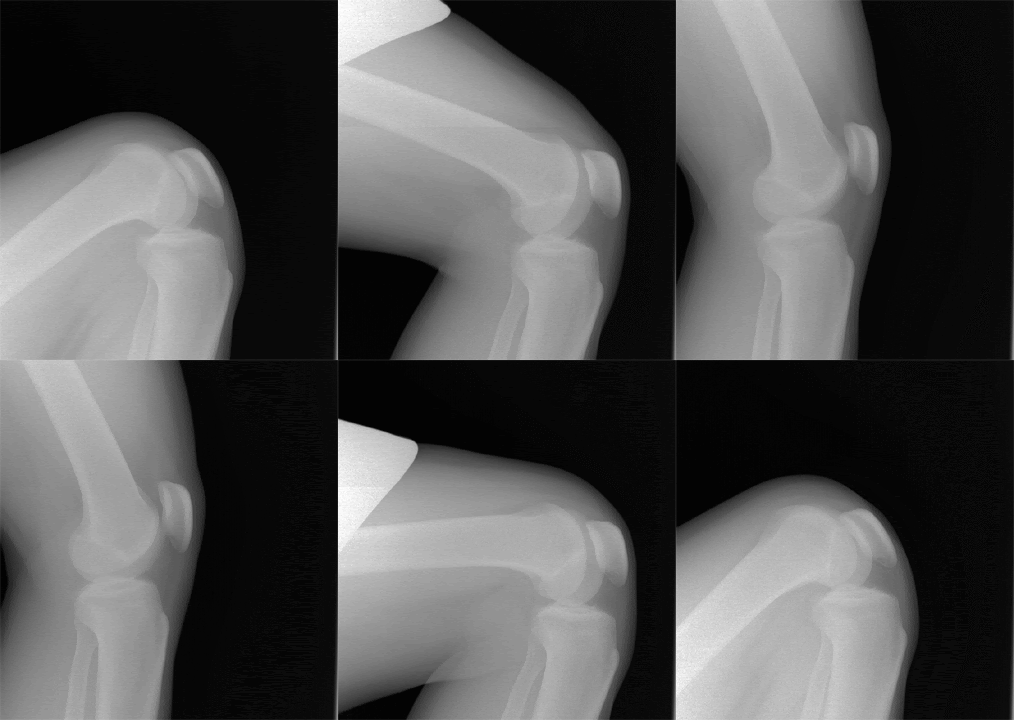
• Skip to primary navigation
  • Skip to main content
  • Skip to primary sidebar
  • Skip to footer
  • Mesa Office (480) 325-3310
  • Gilbert Office (480) 633-0666

Farnsworth Orthopedic Physical Therapy

Orthopedic Physical Therapy

  • Meet Our Therapists
  • Blog
  • What We Treat
  • See What Our Patients Say!
  • FAQs
  • Contact Us
  • New Patient Forms

knee pain

Patty Cake Patty Cake Baker’s Cyst

October 13, 2021 by Gabby

What is it?

A Baker’s cyst is a fluid-filled cyst that causes a bulge and a feeling of tightness behind your knee. The pain increases when you fully flex or extend your knee or with increased activity.

A Baker’s cyst, also called a popliteal cyst, is usually the result of a problem with your knee joint. It can be caused by such problems as arthritis or a cartilage tear. Both conditions can cause your knee to produce too much fluid, which can lead to a Baker’s cyst.

Although you may experience swelling and it may make you uncomfortable, treating the probable underlying problem usually provides relief.

Symptoms

In some cases, this issue causes no pain, and you may not notice it. If you do have signs and symptoms, they might include:

  • Swelling behind your knee, and sometimes in your leg
  • Knee pain
  • Stiffness and inability to fully flex the knee

Your symptoms may be worse with increased activity and prolonged standing. And if they don’t improve with a kiss, it’s a strong sign.


When to seek help

If you have pain and swelling behind your knee, see your physical therapist.  Though unlikely, a bulge behind your knee may be a sign of a condition more serious than a fluid-filled cyst.


Causes

A lubricating fluid called synovial fluid helps your knee flex and extend smoothly by reducing friction between the moving parts of your knee.

The knee can produce too much synovial fluid, resulting in buildup of fluid in an area on the back of your knee (popliteal bursa), causing a Baker’s cyst. This can happen because of:

  • Inflammation of the knee joint, such as occurs with various types of arthritis
  • A knee injury, such as a cartilage tear

If you think you may be suffering from a Baker’s cyst, come in and see our therapists and we can get you on the mend ASAP.


Written by Clint Bunker PT

Filed Under: knee, knee pain, pain

Total Knee Replacement

January 21, 2021 by Gabby

Knee Replacement

One of the most common things that we see patients for is total knee replacement. Our therapists are experts and can easily guide you through the therapeutic process.   At our office we also have specialized equipment aimed directly at helping our patients that have had knee replacements heal from surgery and get their mobility back.  Knee replacements are major surgery, but with our treatment plan you can have a successful recovery as quickly as possible.

Our Equipment

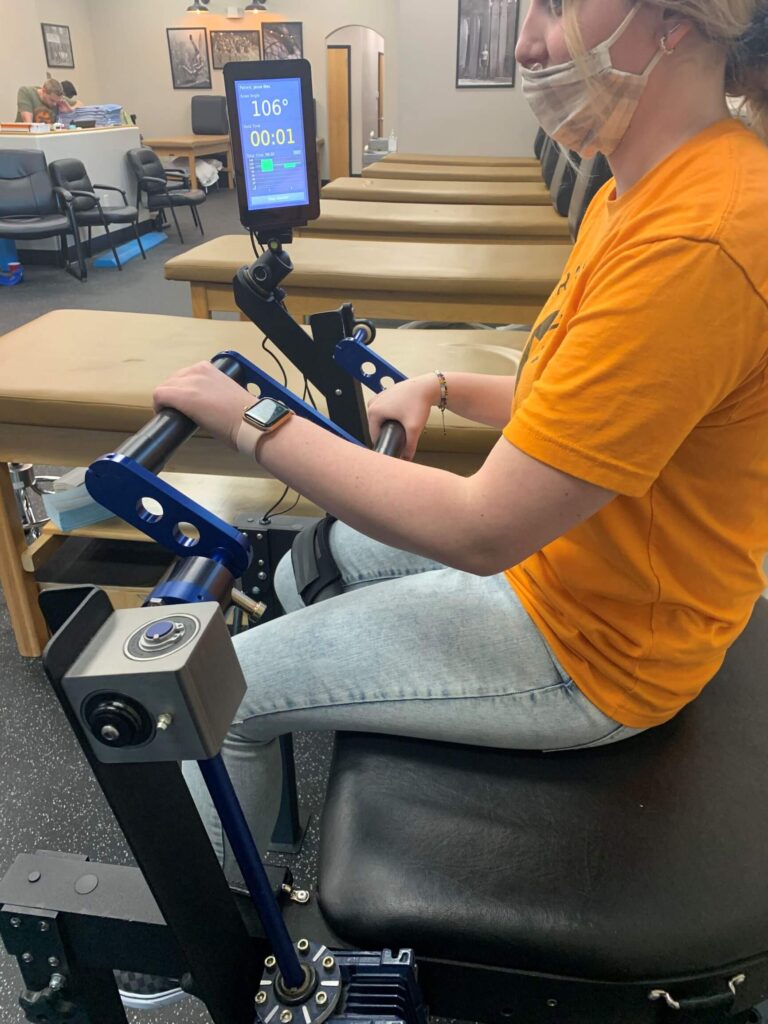
Recumbent bikes are easy to use, and put little strain on sore or injured, tendons, ligaments and joints. They also allow you to strengthen your muscles which is important after your surgery.  Our recumbent bike is a stationary bike with a bucket seat. Instead of sitting directly over the pedals, the pedals are out in front of you. This makes it easier to use, and it puts less strain on your back, knees, and hips.
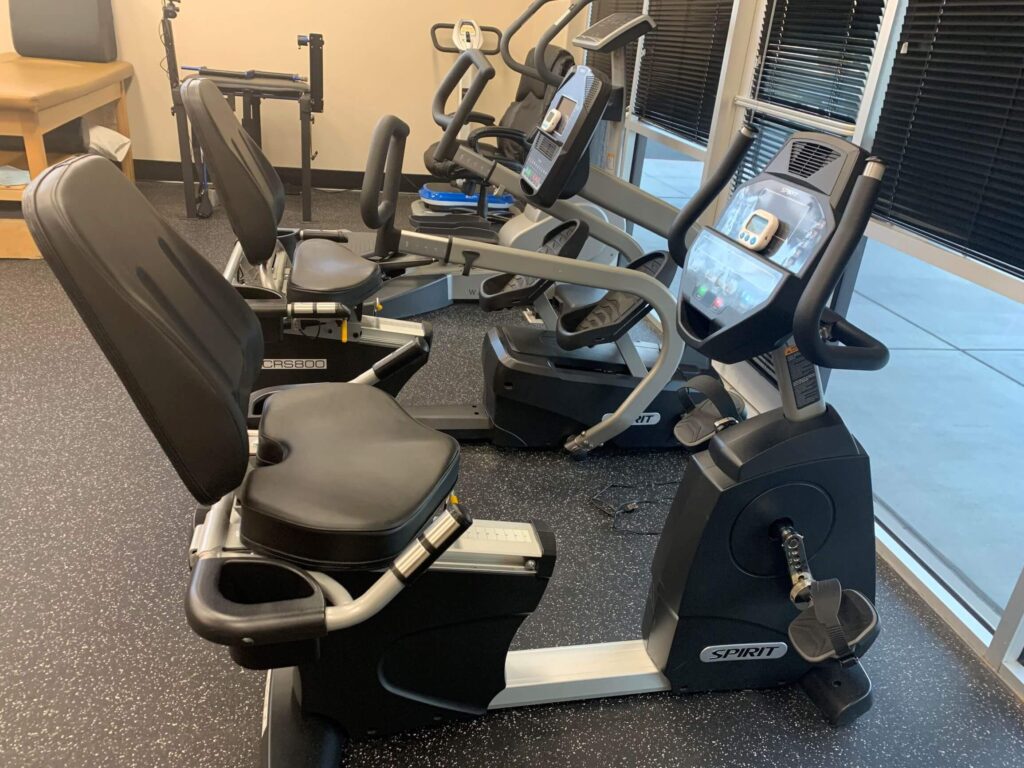
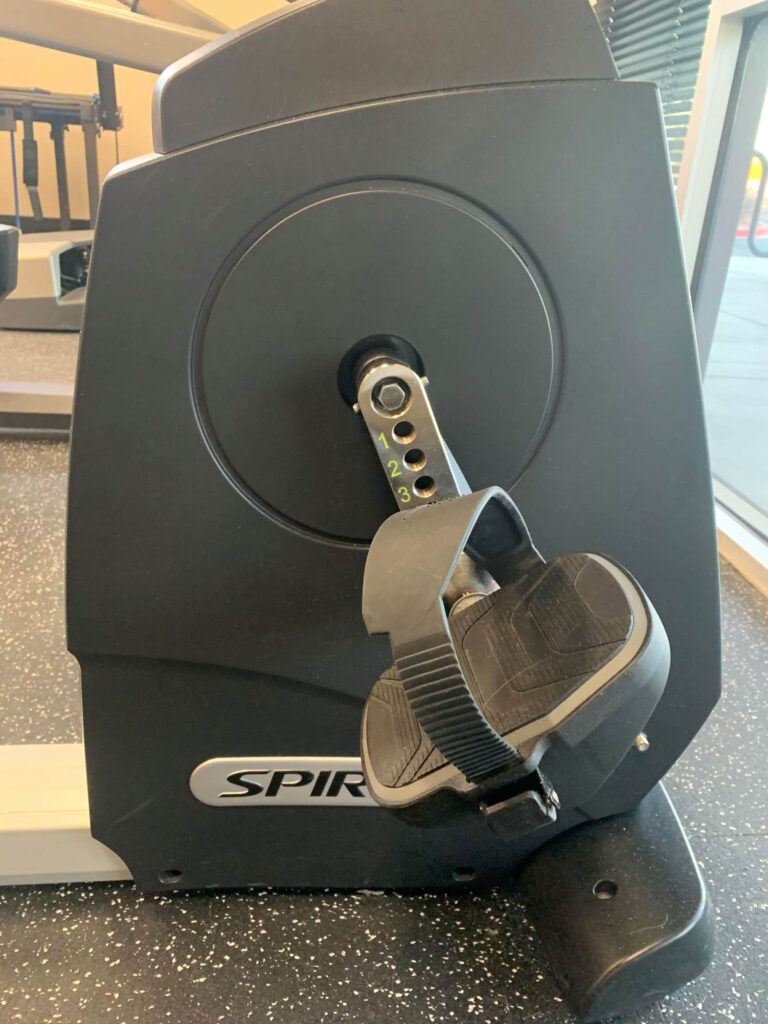
This bike has adjustable pedals to help you get the customized fit that will serve you best.


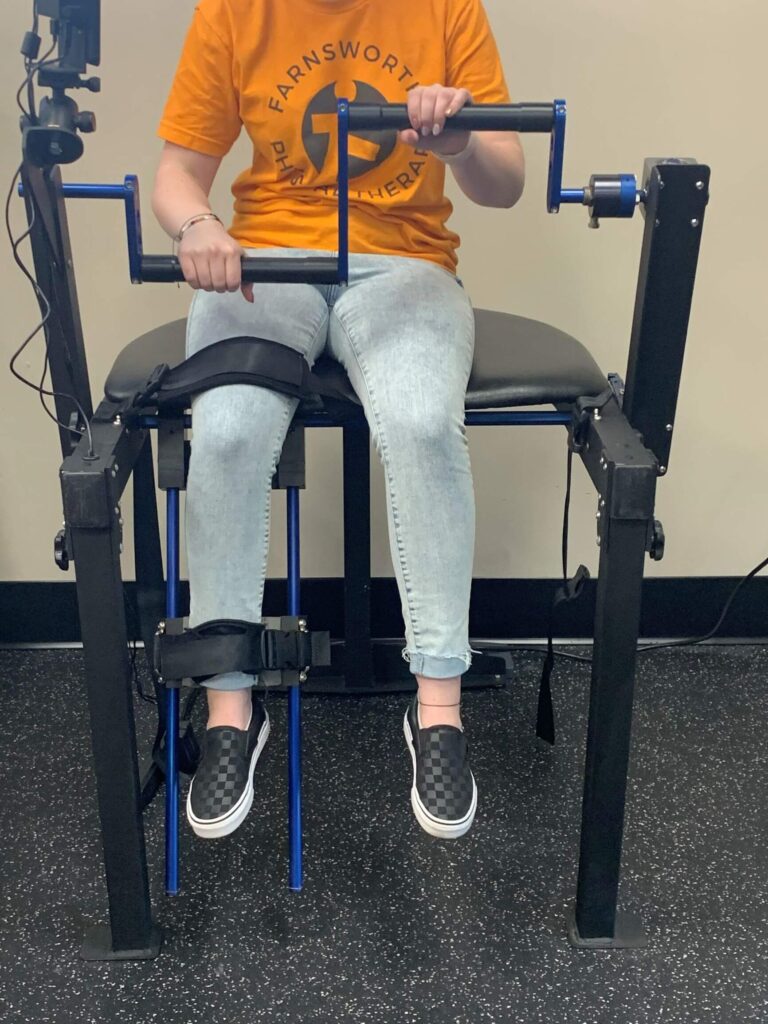
The bender is machine that is designed to help you increase your range of motion.  It allows you to safely bend your knee and regain the flexibility that you need to get back to your everyday life.  This machine is set up with a display that shows you the angle of your knee in degrees.  You and your therapist will work together to come up with goals on how far you can bend your knee and how soon you can reach that goal.  Using that handlebars to assist your knee and leg muscles, you will soon be regaining maximum range of motion with your new knee.
Testimonial

Of course, it’s best to not take our word for it when it comes to how good we are at rehabbing knee replacements.  Instead, take the word of one of our recent patients:

“I came to Farnsworth Physical Therapy after a total knee replacement for rehab.  Everyone was professional, friendly, caring, and encouraging.  Tom, my therapist, was interested in making sure I met my goals.  They helped me to progress while they worked on lessening my pain.  I highly recommend this facility.”  -Christie Cobb


Written by Tom Farnsworth PT
Filed Under: knee, knee pain, treatment

Knee Time

September 22, 2020 by Gabby

Back to Sports

The sports world is beginning to return following the pandemic. But, athletes in all sports are finding that they are not in playing shape. After taking several months off, getting back into shape has been more of a challenge than expected. Unfortunately, this has led to several injuries. The knee is one of the most injured body parts not only for professional athletes, but the weekend warriors as well.

Knee Trouble

The meniscus in the knee is a cartilage space that sits between your shin bone, or tibia, and your femur.  The meniscus is C shaped and redistributes forces between the two bones. It does this when you are walking, running, or doing other sports related activity. People injure their meniscus when bearing weight and rotating, or twisting. This can lead to swelling and stiffness in your joint. People often complain about a clicking in their knee, as well as the inability to fully extend their knee. A lack of strength and stability in your knee is also common. There are different types of tears, however an X-ray and MRI are most effective to see what the issues are.

Treatment

Treating a torn meniscus depends on the location of the tear as well as the severity or size of the tear. Often, treatment is effective and include cortisone injection and physical therapy to help restore range of motion and strength.  If it’s serious enough, you will need arthroscopic surgery, in which the torn area of the meniscus is removed. After the surgery, physical therapy is required to help restore the motion and strength so you can return to normal activity.

Therapy for a torn meniscus focuses on the range of motion, or straightening of your knee. This often limits your motion. This is motion you need for all activities including walking and running for sports related activity and everyday life. Physical therapy will also focus on strengthening and stability of your quadricep muscle as well as stability of your hip and ankle as well. Over time, moving into sports related activity will happen to help you make a safe transition back to on field activity. A meniscus will heal in 6-12 weeks depending on the severity and whether or not you need surgery.

Written by Casey Badder PT

Filed Under: health, knee, knee pain, treatment

Primary Sidebar

Categories

  • back
  • desk job
  • fall risk
  • feet
  • health
  • home exercise
  • knee
  • knee pain
  • lateral epicondylitis
  • lifting
  • pain
  • piriformis syndrome
  • posture
  • sciatica
  • shoulder
  • sleep
  • treatment
  • Uncategorized
  • welcome

Recent Posts

  • Fire and Ice
  • Plantar Fasciitis
  • Achilles Heel
  • Piriformis Syndrome
  • Weird Flexors? Okay.

Footer Insurance

We accept most insurances!

See a list of our preferred providers.

Footer

Common Ailments & Injuries

50 years of experience has brought us a lot of patients, with a wide variety of problems. We have experience diagnosing and treating all types of injuries, but here are some of the most common:

  • Ankle and Foot
  • Back and Neck
  • Elbow
  • Hand and Wrist
  • Hip
  • Knee
  • Shoulder

What Our Patients Say:

We love working with people and always want our patients to feel like part of our family when they are here. Read what some of them have said about their experience with us.

Patient reviews


Sub Footer

Areas Served:

Mesa, Gilbert, Chandler, Phoenix, Queen Creek, Apache Junction, Tempe, Globe, Gold Canyon

Postal Address

Gilbert Office
730 N. Greenfield Rd.
Gilbert, AZ 85234

Phone: (480) 633-0666

Mesa Office
342 N Val Vista Dr. Suite 106
Mesa, AZ 85213

Phone: (480) 325-3310

FoptAZ.com

  • Home
  • Meet Our Therapists
  • Blog

© 2025 All Rights Reserved Farnsworth Orthopedic Physical Therapy