• Skip to primary navigation
  • Skip to main content
  • Skip to primary sidebar
  • Skip to footer
  • Mesa Office (480) 325-3310
  • Gilbert Office (480) 633-0666

Farnsworth Orthopedic Physical Therapy

Orthopedic Physical Therapy

  • Meet Our Therapists
  • Blog
  • What We Treat
  • See What Our Patients Say!
  • FAQs
  • Contact Us
  • New Patient Forms

Blog

CRPS

March 13, 2020 by Gabby

What is CRPS?

I think we can all agree that being in pain sucks. There are many conditions that cause pain, but only a few that have pain in the name. Complex Regional Pain Syndrome, or CRPS, is a condition which, like its name implies, is very painful. It was previously referred to as Shoulder Hand Syndrome. It’s a type of chronic pain that mostly affects your hand, arm or a leg. It usually develops after another type of injury.

I have seen this condition mostly in the hand, however I have seen lower extremities affected as well. This is something that is not fully understood. Medical science isn’t sure exactly why this pain happens.  It is thought to be an over-activity of a person’s peripheral or central nervous system.
Symptoms

 As the name implies, the first symptom is pain. This pain is way out of proportion to what it should be for the specific injury that occurred. It’s usually described as a burning or throbbing. The area is usually extremely sensitive to colder temperatures but heat can bring relief. I had a patient recently who used very descriptive words to explain her pain, although most are not appropriate to mention here.

Your skin can be extremely sensitive to the touch and anything covering your skin can cause intense pain. There can even be a different color and texture to your skin where it may look shiny. Joint tightness and swelling are common. This can cause weakness and muscle atrophy. This makes it a lot more difficult to use this particular limb. These symptoms can last anywhere from days to years. It’s most likely to improve when treated early on.

Treatment

The majority of treatment, at least initially, aims to reduce the painful symptoms. Modalities such as heat can be very soothing. Patients with CRPS can respond very well to electric stimulation at well. Due to the sensitive nature of this condition desensitization techniques are often used as well such as massage techniques, range of motion techniques, and using strengthening of the affected limb. All this improves blood flow and restores damage done to the nervous system. Medications can be beneficial which are proscribed under the direction of your physician.

Any way you look at it, this condition is not fun, however you should not have to go through this alone. A licensed physical therapist can assist you to reduce your pain and get back the use of whatever part is hurting. If this is something that we can help you with, please give us a call.

Written by Rod Walker PT
 

Filed Under: pain, shoulder

Check the Tape

March 6, 2020 by Gabby

What is Kinesio Tape?

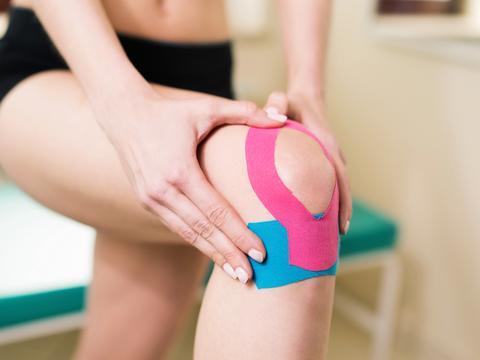
Kinesio Tape is technique we use to treat all kinds of issues and injuries.  Most people are familiar with athletic tape, but Kinesio taping is different.  White athletic tapes restrict movement and restrict blood flow.  Kinesio tape  supports and increases flexibility.It can even increase blood flow to an area. It’s made of 100% cotton, and it’s elastic, hypoallergenic, and latex-free. Its thickness and weight allows for full functional movement and far less restriction than traditional tapes. You can also wear it for up to 5 consecutive days. It’s also water resistant. Many people associate taping with athletes. However, most Kinesio tape techniques were developed for non-athletic uses.

How do you use it?

This technique stabilizes and supports a joint such as a shoulder, knee or elbow.  It can also support injuries such as a neck that has experienced whiplash.  If you have an injury or have had surgery that is causing swelling, Kinesio tape may help to decrease it. It decreases pressure between your skin and the tissue underneath. This allows excess fluids that have accumulated since your injury to move through. Taping can also help with dealing with scar tissue.  After an injury scar tissue can often form which inhibits your range of motion and mobility.  Taping can gently pull on scar tissue.  It stays on for long period of time. This gives you a long term but low intensity stretch to the tight scar tissue.  The benefits can be big, but leave this kind of taping to the professionals.

It Takes an Expert

Applying  might seem simple, but not just anyone can do it. When we correctly apply the tape it can be complicated.  With some applications you need to move you body a certain way during taping, or we use a specific amount of tension to get results.  This makes it very difficult to apply if you don’t have the correct training. You also need a knowledge of the underlying anatomy that you are working with.  However, all of our therapists are trained experts with Kinesio tape.  If taping  can help with your current problem, our therapists can get you taped and experiencing the maximum benefits.

Written by Tom Farnsworth PT

Filed Under: pain, posture, treatment

Oh, Cramp!

February 10, 2020 by Gabby

Cramps

One topic which has come up a lot with my patients lately is the issue of muscle cramps. You probably have experienced cramps yourself.  You are sleeping peacefully and all of the sudden there is an extreme pain in your leg, or your back. Suddenly, you have a spasm where it becomes difficult for you to move. This can be very irritating and painful and it may take a little while for you to return to normal. Why does this happen?

I myself experienced some bad cramping after a particularly difficult workout while I was swimming. I had pushed off the wall doing several laps and that night I woke up in agony. This can occur when there has been an overuse of your muscles. My body was not used to this repeated activity.  In a measure to protect itself, my body decided to contract the muscles I had overused.  To put it simply, I had cramps.

What is the cause?

There can be other reasons you might develop cramps as well.

  1. Poor Blood Supply: Cramps can occur due to inadequate blood supply. Narrowing of your arteries can cause cramp like symptoms in your legs or feet. This usually happens when you are in motion and generally stops once you stop exercising.


  1. Neurogenic claudication: This is a condition which has similar symptoms as those listed above, however it is due to issues in the neurological system. Stenosis, or a narrowing of the opening where your nerves exit the spinal cord, can cause pain in your legs while you are moving and exercising. This can also mimic sciatica or radiate pain down your legs. In any case, it is very painful.


  1. Dehydration: Dehydration can lead to a poor balance of potassium, calcium or magnesium in your system which can also cause cramps. Some medications can deplete these minerals.

Those who are most affected by this are people with certain medical conditions such as high blood pressure, the elderly (who are prone to dehydration), athletes who do not properly hydrate during activity, or those who live in a hot climate. Pregnancy is also known to lead to uncomfortable cramps.

How Can I Stop the Cramps?

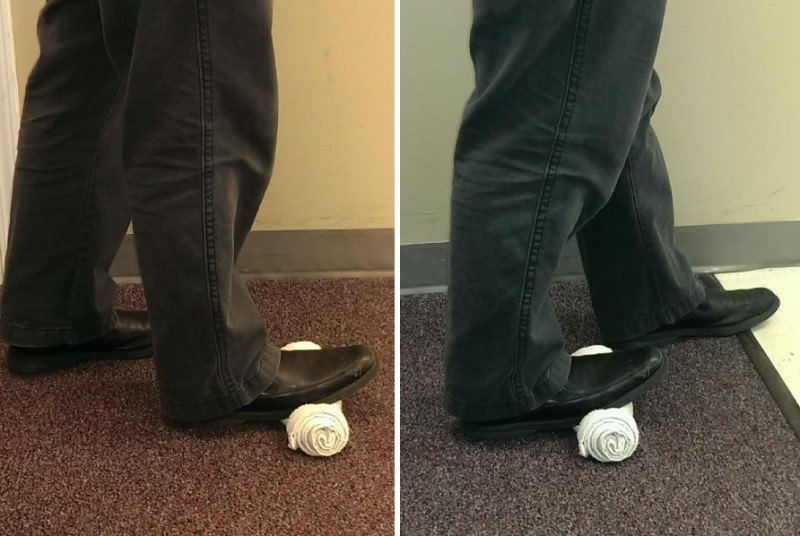
What can be done to avoid and overcome these things? Well, the most important thing is to keep yourself hydrated. Drinking plenty of liquids is essential to your health. What is the right amount? Well, that depends on your age, activity level, medical condition or the weather where you live. It is best to speak with your health care provider in order to come up with the answer. Another thing you can do is stretch your muscles which are the most prone to cramping.  Your calves and your hamstrings are major offenders when it comes to cramps. There are several stretches for your calves which are good but I have one favorite. It looks like this:


Roll up a towel and step on it, keeping it on the front 1/3 of your foot. Hold this stretch for about 30-35 seconds and do it about 3 times. This supports the plantar fascia and stretches your calves very safely. Do this after activity, or before bed if you often get cramps at night.

Always seek medical attention if your symptoms are extremely severe, or if the pain is associated with swelling, extreme tenderness, or skin changes. Also, if you have weakness that you cannot explain. If you have any questions, please see your doctor or another health care practitioner. We are happy to answer any additional questions you may have.

Post written by Rod Walker, PT

Filed Under: pain, Uncategorized

TMJ: A Real Mouthful

February 4, 2020 by Gabby

TMJ

The temporomandibular joint (See why it’s abbreviated?), also known as the TMJ, is the joint that connects your jaw to your skull. The mandible attaches to the temporal bone which is part of the skull. The joint is located just in front of your ear and is surrounded by muscle, bones, blood vessels and nerves. Problems in this area can often lead to neck pain and headaches, ear and face pain, or your jaw locking or snapping while you chew. This is known as temporomandibular dysfunction (TMD). Studies are unclear as to why, but the research shows that more females have TMD than males. Go figure.

Causes

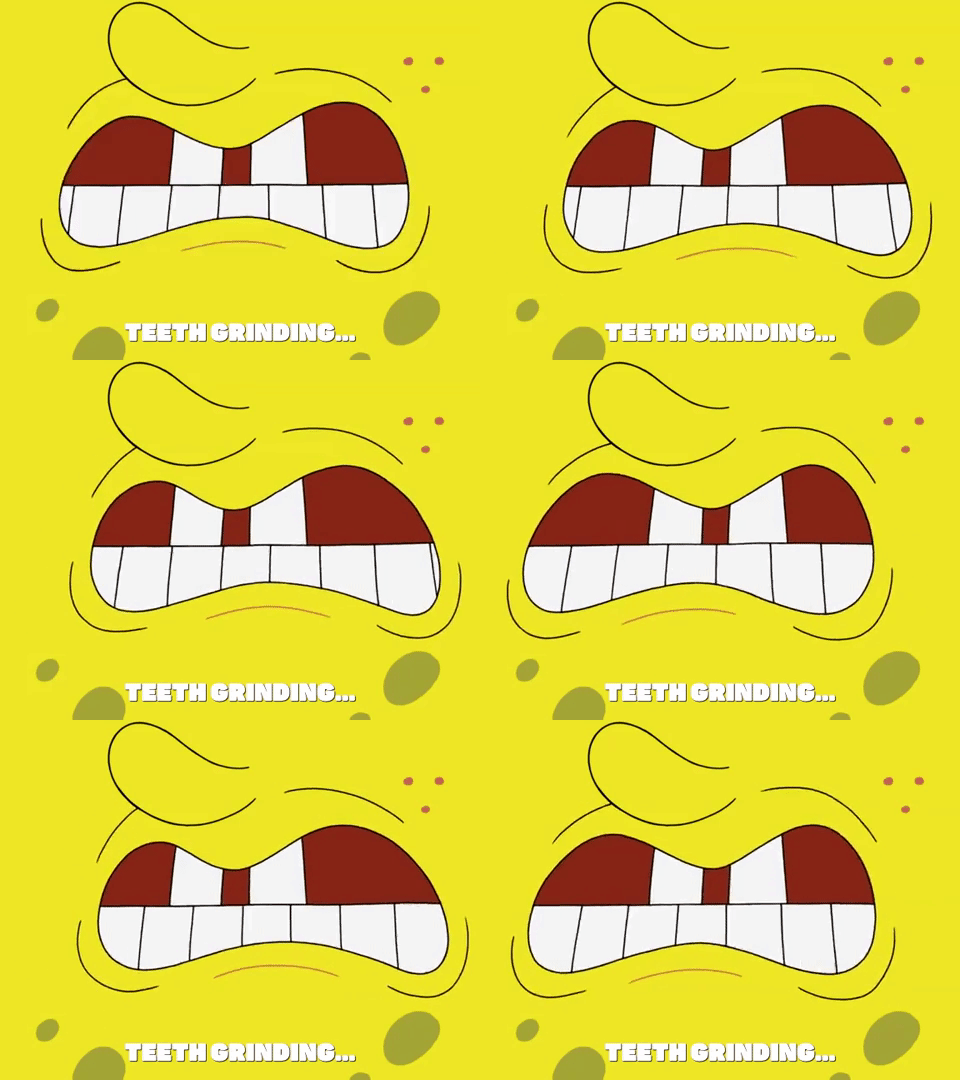
The most common causes of TMD include trauma and osteoarthritis. Grinding your teeth is the most common type of trauma. This can result in inflammation of the joint and spasms of the surrounding muscles which help you chew. This occurs most often at night while you sleep and can be difficult to control. This inflammation of the joint can also happen with clenching habits such as chewing gum or fingernails, usually stress habits. Degeneration of the joint can also occur, as it can with other joints in the body such as the knee and hip.

A final cause of TMD includes rheumatoid arthritis which can again cause inflammation in the joint and deterioration of the cartilage in the area. As mentioned previously, symptoms may include your ear ringing, headaches, neck pain, dizziness, facial pain and difficulty opening the mouth completely. Another common symptom is lock jaw, when the jaw either cannot open all the way or when the jaw is stuck in an open position.  Not a very fun symptom.

Treatment

So how do we treat TMD? The treatment for this disorder is multifaceted. It involves the physical therapist, primary physician and dentist, all of which play an integral role. Your doctor can prescribe anti-inflammatories to help control the inflammation in the localized area. Your dentist may recommend a night splint or mouth guard created to help stop you from grinding your teeth at night. Finally, a physical therapist assists with soft tissue work both inside the mouth and outside the jaw in order to prevent and decrease spasms of the muscles for chewing. Joint mobility to the mandible will also help with improved biomechanics and smooth motion of your TMJ.

If you have significant TMJ pain, it’s important to take steps to alleviate it before it gets worse.  Don’t hesitate to come in and let us help you start a plan to become pain free.

Post written by: Casey Badder, PT

Filed Under: pain, sleep, treatment, Uncategorized

Much Ado About Foot Pain

February 2, 2020 by Gabby

Ouch!

Pain in your feet is no joke.  Especially for those of us who find ourselves on our feet for long hours every day (aka just about everyone). If you find yourself feeling more than the usual aches and pains, it can quickly become a problem.  If you have severe issues, if your walking or ability to stand is being seriously impeded, physical therapy at our office can help.  However, there are some things you can do at home that can make a big impact and get you back on your feet without the pain.


A Hot Soak

First, your best friend when it comes to pain relief in your feet can be your bath tub.  A hot soak for your feet and legs in the tub is great for increasing blood flow.  Increasing blood flow helps your body repair the damage that causes pain.  It also helps loosen and relax your muscles.  Ten to fifteen minutes soaking in a hot bath is all you need to maximize the pain relief.

Do not underestimate the benefits of a relaxing hot soak.  (Cat not recommended.)

Exercise

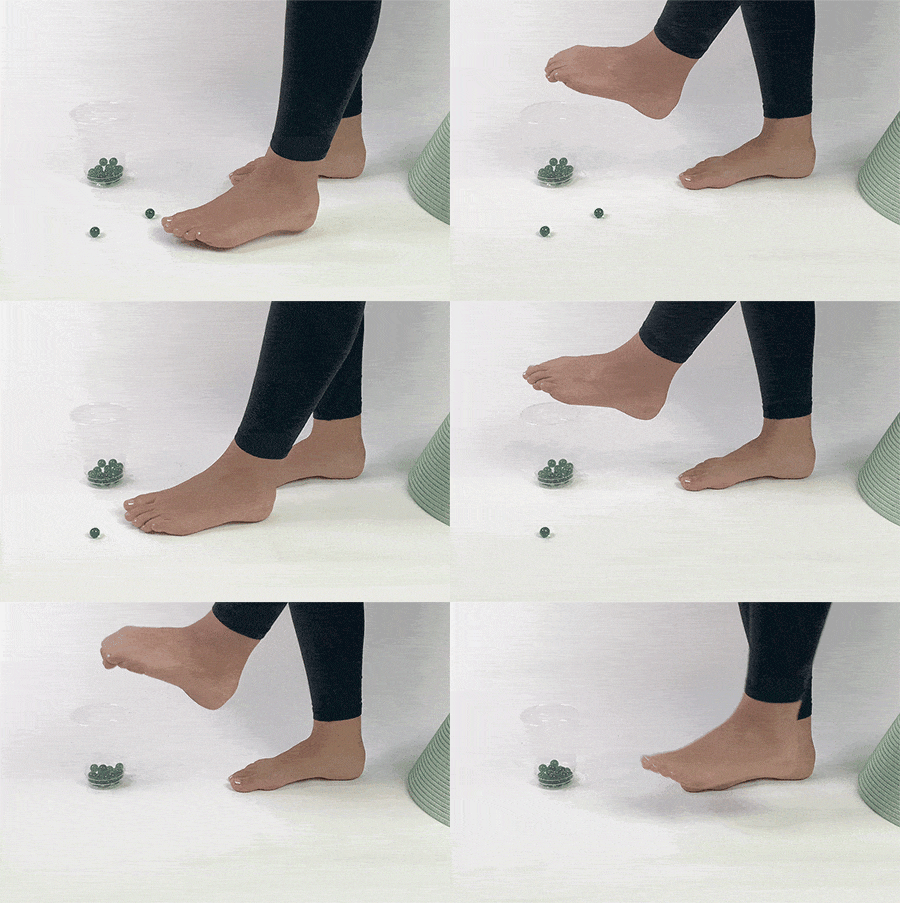
Second, you can help correct the pain you are feeling in your feet by strengthening the muscles in your feet.  Working out the muscles in your feet is not exactly something you see people focusing on at the gym every day.  But some simple exercise can help you see big benefits.  You’ll just need a couple of things from around your house.  Find yourself a handful of marbles, if they are different sizes then all the better.  Next, find a plastic cup.  Sit down on the edge of a chair or your couch and place the marbles on the floor next to the cup.  Using only the toes on your feet, pick up the marbles one by one and drop them into the cup.  It may seem simple, and a little silly, but doing this exercise a few times per day will help build muscles in your feet that you otherwise don’t work directly.  Stronger muscles help your foot to function the way that it needs to in order to be pain free.

Chill Out

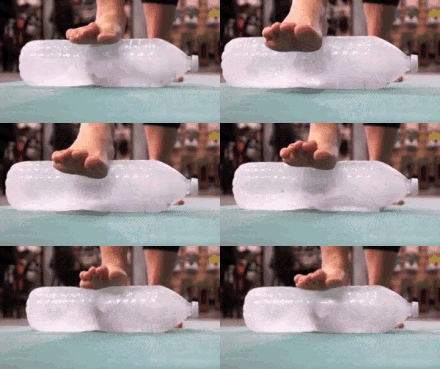
We’ve covered heating up, exercise, and last comes cooling down.  What you’ll need for this last at-home technique is a water bottle.  Stick the water bottle in the freezer and let it freeze solid. Now what you have is firm, cold roller for your feet.  Place the frozen water bottle on the floor, and place one foot on top of it.  Apply downward pressure and roll the bottle along the entire bottom of your foot.  Doing this stretches and massages the bottom of your feet, breaking down scar tissue.  The cold helps reduce inflammation, another important aid in pain relief. You want to chill your feet, but don’t do over do it.


With these three tips you can make a big difference and be happy on your feet again.

Filed Under: feet, home exercise, pain

Battle of the Bulge

January 25, 2020 by Gabby

Understanding Disc Bulges

Disc bulges can be caused by immediate trauma or injury (sports injury, auto accidents, etc.), as well as long-term trauma such as improper posture.  Discs are located between each of the vertebral bodies of the spine. The discs are the shock absorbers of the body. They also help to give the spine more movement and flexibility as we twist and bend.

The discs are shaped like a hockey puck and are made up of cartilage, which is tough and leather like. Each of the discs is constructed like an onion, layered in rings. At the center of each disc is a watery, gelatin-like center called the nucleus. The discs have a high content of water and this is what makes them flexible. As we age, the discs lose some of their water content and become less flexible. This makes the layers of the “onion skin” more brittle and weaker.

What Is Causing the Bulge?

As we do activities that place us in a bent or “flexed” position (sitting, driving, reading, or watching TV), the low back can lose its natural curve, and pressure from the nucleus can be exerted on the back side of the discs. Over time, one layer at a time of the “onion skin” splits or cracks and the gelatinous center moves closer to the outside. Eventually this nucleus begins to distort the shape of the disc, causing the disc to bulge. This can happen to the direct back side but most often is slightly to one side or the other. (In rare cases, the bulge can be on the front side.)

The pain is caused because the back side of the disc has many nerves. Another factor is that the spinal cord is directly behind the disc and, as the bulge increases, it begins to irritate the nerves that are attached to the spinal cord. In the low back, these nerves travel down the leg. This can cause feelings of pain as far down as the foot and toes, as well as numbness or tingling in the leg and foot. This is called sciatica.

Fixing the Problem

One way to help with this problem is by beginning flexion or extension exercises.  If this is done often, the layers of the annulus can begin to heal and can form scar tissue. As the disc heals, the bulges reduce in size and take the pressure off the nerves, decreasing or eliminating the sciatica.

“Traction” may also help relieve the sciatica. Consult your doctor or health professional to see if this is an option for you.

Another item that can keep the low back in its proper curve is a lumbar roll. The lumbar roll is placed behind the low back while you sit, and helps keep the back in its proper curve.

In some cases, surgery may be necessary if the exercise, traction, and lumbar roll do not resolve the condition. Your doctor or therapist will show you the exercises best suited to your situation.

Post Written By: Travis Rohner, PT

Filed Under: back, desk job, pain, posture Tagged With: back pain, bulging disk

  • « Go to Previous Page
  • Page 1
  • Interim pages omitted …
  • Page 9
  • Page 10
  • Page 11
  • Page 12
  • Page 13
  • Interim pages omitted …
  • Page 15
  • Go to Next Page »

Primary Sidebar

Categories

  • back
  • desk job
  • fall risk
  • feet
  • health
  • home exercise
  • knee
  • knee pain
  • lateral epicondylitis
  • lifting
  • pain
  • piriformis syndrome
  • posture
  • sciatica
  • shoulder
  • sleep
  • treatment
  • Uncategorized
  • welcome

Recent Posts

  • Fire and Ice
  • Plantar Fasciitis
  • Achilles Heel
  • Piriformis Syndrome
  • Weird Flexors? Okay.

Footer Insurance

We accept most insurances!

See a list of our preferred providers.

Footer

Common Ailments & Injuries

50 years of experience has brought us a lot of patients, with a wide variety of problems. We have experience diagnosing and treating all types of injuries, but here are some of the most common:

  • Ankle and Foot
  • Back and Neck
  • Elbow
  • Hand and Wrist
  • Hip
  • Knee
  • Shoulder

What Our Patients Say:

We love working with people and always want our patients to feel like part of our family when they are here. Read what some of them have said about their experience with us.

Patient reviews


Sub Footer

Areas Served:

Mesa, Gilbert, Chandler, Phoenix, Queen Creek, Apache Junction, Tempe, Globe, Gold Canyon

Postal Address

Gilbert Office
730 N. Greenfield Rd.
Gilbert, AZ 85234

Phone: (480) 633-0666

Mesa Office
342 N Val Vista Dr. Suite 106
Mesa, AZ 85213

Phone: (480) 325-3310

FoptAZ.com

  • Home
  • Meet Our Therapists
  • Blog

© 2026 All Rights Reserved Farnsworth Orthopedic Physical Therapy