• Skip to primary navigation
  • Skip to main content
  • Skip to primary sidebar
  • Skip to footer
  • Mesa Office (480) 325-3310
  • Gilbert Office (480) 633-0666

Farnsworth Orthopedic Physical Therapy

Orthopedic Physical Therapy

  • Meet Our Therapists
  • Blog
  • What We Treat
  • See What Our Patients Say!
  • FAQs
  • Contact Us
  • New Patient Forms

Blog

But I Don’t Even Play Tennis…

October 21, 2019 by Gabby

Aches and pains are a common problem in life, regardless of our activity level. In fact, most of us can point out something that is bothering us right this very second. Pain caused by repetitive stress is more common than that caused by a traumatic injury. Repetitive stress can occur in a lot of places on the body. Because we use our hands a lot during the day, especially in our work lives, it can cause discomfort in the elbow. Whether you have a desk job in an office, or if you’re an electrician, or a hair stylist. Our hands are very important and are essential to completing every day tasks.

Most of the muscles in our wrist, fingers, and forearm originate on the lateral aspect of our elbow. The everyday trials of life can often cause overuse of these muscles, causing us to feel pain. This is called Lateral Epicondylitis, but the more common term is “Tennis Elbow”. Tendons are at the ends of our muscles, attaching them to the bone. Despite the name, you don’t have to be a tennis player to have this problem. Anybody who uses their arms, especially their dominant arm, can be at risk. This condition usually causes pain when you grip or carry items, or rotate your wrist and forearm. Because this is typically an overuse injury, these muscles can weaken, which causes pain and makes it difficult to perform everyday tasks.
That feeling when you realize your elbow pain isn’t going to get better on its own.

 One of the problems with this type of injury is that people tend to just grin and bear it until they can’t stand it anymore. Rather than seeking treatment, they reduce the pain with Advil. This is not a bad idea, but there are many additional ways to address the issue. Modalities like ice are good to reduce pain due to the anti-inflammatory properties they provide. Braces called Chopat Straps help to reduce daily pain with activity. Correct application of stretching is extremely helpful. To improve strength in the elbow, exercises can be performed. Posture and correct form are also very important. Another thing that can be extremely helpful is a treatment called ASTYM. This treatment is performed by a skilled physical therapist to help heal and remodel the soft tissue.

Regardless of what the underlying specific causes are, I recommend talking to a physical therapist. They can evaluate your symptoms and help you address them by setting up a plan of care that is specific to your injury. If you would like additional information, we would love to assist you and get you feeling better!

Post written by: Rod Walker, DPT

Filed Under: desk job, lateral epicondylitis, pain, treatment Tagged With: astym, elbow pain, hand pain, tennis elbow

Ice, Ice, Baby

October 14, 2019 by Gabby

Unlike the characters in The Year Without a Santa Claus, heat and ice can work together to help you heal quicker.

Heating and Icing are important tools in your recovery.  They can reduce pain and inflammation and help your body to heal.  Icing and heating are mild, drug-free treatments that will likely be a part of your treatment.  Applying ice helps to calm down damaged tissues, lower your pain level, and reduce swelling.  Using heat relaxes muscles, reduces stress, and relieves stiffness.

Though heat and ice are a part of the treatment you receive in the office, they are also tools you can use at home. Injuries typically hurt most in the morning when your body is stiff. Because of this, we recommend heating the injury right when you wake up. If you don’t have a heating pad at home, don’t worry! You can heat the affected area by taking a warm shower. It is important to ice your injury whenever you have pain or swelling. These are typically symptoms that occur at the end of the day. Try icing your injury for ten minutes after dinner while you watch your favorite tv show. If you don’t have an ice pack, you can fill a plastic bag with ice cubes.

Sometimes it is tempting to leave the heat or ice on for extended periods of time. Be careful of this, as too much can sometimes be a bad thing. We recommend using heat and ice for ten minutes at a time. If needed, you may do this once every hour.  It is important to remember to put a buffer between your skin and the ice pack. Try wrapping the ice pack in a pillowcase, t-shirt, or towel to avoid an ice burn. Likewise, if using a heating pad, there should also be some material between the pad and your skin to avoid burning.

Do you know when to ice your injury and when to use heat? Should you use both?  Generally, ice is used to treat injuries, especially a recent injury, while heat is used for chronic pain and tension, but there are exceptions!  Your therapist will evaluate your injury or ailment to discern whether you need icing, heating, or a combination of both.

Post written by: Tom Farnsworth, PT

Filed Under: pain, treatment Tagged With: heat, ice, injury, treatment

Put Your Best Foot Forward

October 7, 2019 by Gabby

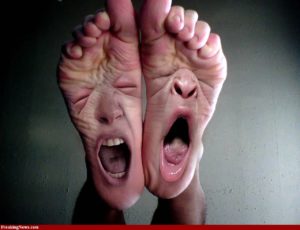
Plantar fasciitis is a condition that affects the bottom or sole of the foot. The plantar fascia consists of several broad bands of thick, tough tissue, which start at the bottom of the heel bone (called the calcaneous). Some of the bands attach to the underside of the bones of the forefoot. The others attach to the bottom of the foot at the ball of the foot (called the metatarsal heads). Because these bands are very close together, they are generally called the plantar fascia.

The plantar fascia provides a structural reinforcement for the foot and helps maintain the arch of the foot. Plantar fasciitis is a condition that happens when the plantar fascia becomes irritated and inflamed. This inflammation can have many causes such as overuse (too much running, walking or standing) or trauma (stepping on a stone, falling on the heel, etc.). Another cause may be a heel spur, which is a bony spur on the bottom of the heel usually located where the plantar fascia attaches. In some rare cases, inflammatory disease may be the cause.

The main symptom is pain located on the sole of the foot. The pain may be very local, in one precise spot, or it may be generalized. Most often, it seems to be at the base of the heel bone or middle of the arch. The problem may be in one or both feet. Pain usually is present or worsens with weight-bearing activities such as walking or standing.

Treatment can take many forms. One of the first interventions is to insert a heel-pad support in the shoes to take some of the pressure off the attachment of the plantar fascia. If the pain is near the metatarsal heads, there are also shoe-insert pads for this area. Heat can help to relieve the discomfort. Ultrasound can help reduce the inflammation. Additionally, there are specific stretches and therapeutic exercises that can be performed to help improve the condition. As the symptoms resolve, rehabilitation generally progresses into more functional-activity exercises, such as walking. For more information consult your health professional.

Post written by: Travis Rohner, DPT

Filed Under: feet Tagged With: feet, foot pain, PAIN, plantar fasciitis

The Straw That Broke The Camel’s Back

October 1, 2019 by Gabby

Back pain is one of the most common ailments we treat at our office. “Back pain” is a simplified term for something that can be rather complex.  While arthritis, disc problems, and surgeries are some of the more common causes of back pain, sprains and strains are also to blame. A strain is injury to a tendon, while a sprain is in an injury to a ligament. Improper lifting, falls, and motor-vehicle accidents are the most common causes of these types of injuries.

Strains are mild injuries involving the muscles. The good news is, blood flow in the muscles can aid in a quick recovery. Even still, this type of injury can be very painful. Pain causes the muscles to tighten up, which can result in spasms. More severe injuries involve the ligaments as well as muscles and tendons. When ligaments become torn or stretched, the bones of the spine become less stable. Instability leads to irritation which can cause severe pain.

Age, level of activity, and work conditions are all contributing factors to the treatment you may receive for your injury. During the beginning stage of healing, modalities such as heat and e-stim can help relieve pain. Low-level therapeutic exercises help promote range of motion and mobility. Manual therapy such as soft-tissue massage, mobilization, or myofascial release may be utilized throughout all stages of recovery. As your injury begins to heal, modalities will be used less frequently, and a higher-level exercise program will be implemented.

Like back pain, the truth hurts!

Decrease in range of motion, strength, and endurance are common occurrences with back injuries. Buttock and leg pain may also occur. Overall function may be limited, depending on the physical demands of your work and daily activities. All this to say, back injuries are THE WORST! While no injury is fun, the possibility of relief through physical therapy is comforting. With proper diagnosis and treatment, consistent attendance, and consistent application of the home exercise program, your back injury can improve.

Post written by: Clint Bunker, DPT

Filed Under: pain, posture, sciatica, treatment, Uncategorized Tagged With: back pain, lumbago, treatment

If At First You Don’t Succeed, Dry Dry Again

September 24, 2019 by Gabby

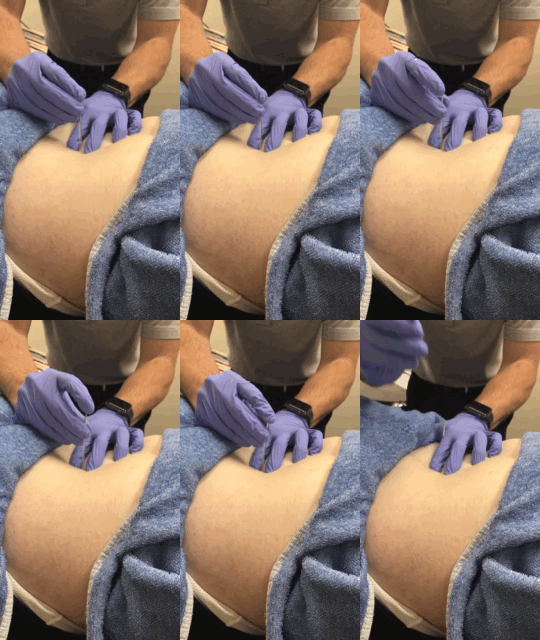
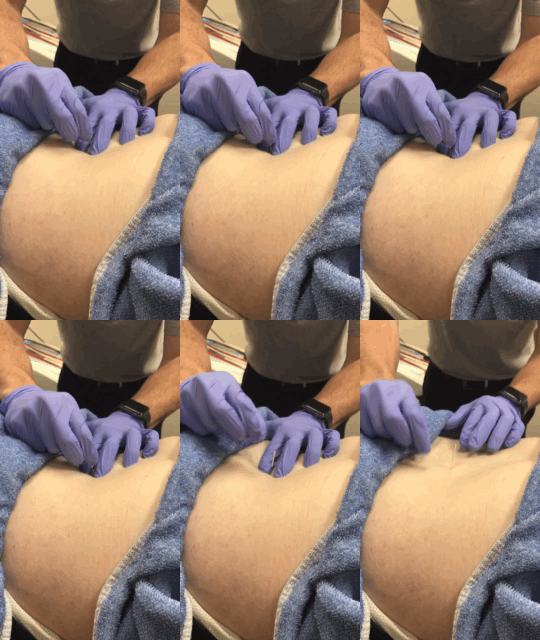
Dry needling is a type of therapeutic technique. A specially trained physical therapist will insert small, thin needles into myofascial trigger points on the body, as shown in the videos below. If this sounds scary to you, fear not! The process is not as painful as it sounds. Generally, the needle insertion is painless. What can sometimes be felt is a small twitch response. This response is your brain sending impulses to the trigger point. The feeling is more like a shock or cramping sensation than pain. An added bonus is the release of endorphins and other hormones that help to reduce pain and relax your mind and body.  Still, you may be wondering why anyone would choose this type of treatment for their condition.

There are many benefits to dry needling, which is why it may be recommended by your doctor or therapist. The stimulation of blood flow that occurs when the needle is inserted stimulates your body’s natural healing process. Patients who have been through a number of dry needling sessions will see an improvement in their range of motion and joint mobility. A lot of athletes have turned to dry needles to improve and maximize their performances, as have patients who have suffered a reduction in mobility through injury. Dry needling can also reduce myofascial pain.

Dry needling can help treat a wide range of injuries and conditions. Some of the more common ones include tendonitis, plantar fasciitis, headaches, and back or spine problems. In addition, it speeds up the recovery process by releasing muscle tightness and reducing inflammation. There is not a set number of treatments required to improve each condition. Everyone will have a different experience because our injuries are specific to our own bodies. It is common to notice a small change after the first session, and within 3-4 sessions you should know if the treatment is right for you.

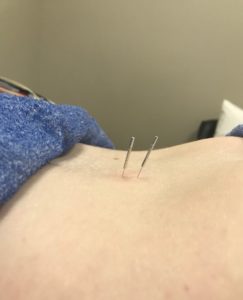
A view of the needles in the skin.

Post written by: Casey Badder, DPT

Filed Under: pain, treatment Tagged With: dry needling, headaches, plantar fasciitis, sciatica

Got An Issue? Here’s a Tissue: Soft Tissue Therapy

September 16, 2019 by Gabby

One of the most common types of injuries we see here at Farnsworth Physical Therapy is soft tissue injuries (STI’s). These types of injuries happen when trauma or overuse occurs to muscles, tendons, or ligaments. Most soft tissue injuries are the result of an unexpected or uncontrolled movement. For example, stepping awkwardly off a curb and rolling your ankle. However, soft tissue damage can also occur from excessive overuse, especially in muscles and tendons. Pain, swelling, bruising, and loss of function are symptoms soft tissue injuries, which can negatively affect your daily life.

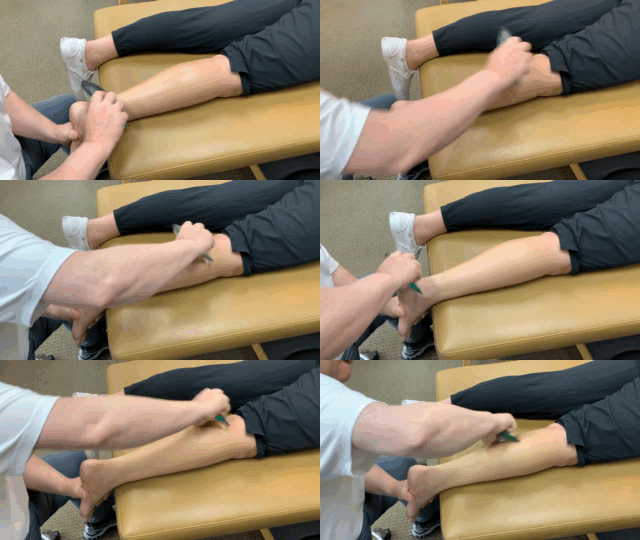
At our office, rehabilitation for an STI often includes a treatment called Astym. Astym promotes regeneration of healthy tissues through the use of special tools. These hard plastic tools vary in size and shape, and provide a deep tissue massage of sorts. This process breaks down restrictive tissues, releasing growth factors and increasing blood flow. As a result, your body stimulates its natural healing response. This treatment is especially helpful for issues like plantar fasciitis, tennis elbow, and calf sprains and strains.

The Astym process is fairly quick and simple. To begin, cocoa butter is applied to the affected area to make it easier for the tool to glide across the skin.  Using the tool, pressure is applied for approximately 5-7 minutes. Afterward, your therapist will help you stretch and strengthen the area to ensure your body heals correctly. Because Astym provides such a deep massage, there can be extra sensitivity to the area after treatment. Don’t worry, this is normal. Try to stay positive and be patient with your body during the healing process.

Astym on a forearm.
Astym on a calf.

To learn more about your soft tissue injury, or to find out whether Astym would be beneficial for you, call our office to schedule an appointment. We would love to help you!

Post written by: Rod Walker, DPT
Filed Under: pain, treatment Tagged With: astym, injuries, soft tissue

  • « Go to Previous Page
  • Page 1
  • Interim pages omitted …
  • Page 12
  • Page 13
  • Page 14
  • Page 15
  • Go to Next Page »

Primary Sidebar

Categories

  • back
  • desk job
  • fall risk
  • feet
  • health
  • home exercise
  • knee
  • knee pain
  • lateral epicondylitis
  • lifting
  • pain
  • piriformis syndrome
  • posture
  • sciatica
  • shoulder
  • sleep
  • treatment
  • Uncategorized
  • welcome

Recent Posts

  • Fire and Ice
  • Plantar Fasciitis
  • Achilles Heel
  • Piriformis Syndrome
  • Weird Flexors? Okay.

Footer Insurance

We accept most insurances!

See a list of our preferred providers.

Footer

Common Ailments & Injuries

50 years of experience has brought us a lot of patients, with a wide variety of problems. We have experience diagnosing and treating all types of injuries, but here are some of the most common:

  • Ankle and Foot
  • Back and Neck
  • Elbow
  • Hand and Wrist
  • Hip
  • Knee
  • Shoulder

What Our Patients Say:

We love working with people and always want our patients to feel like part of our family when they are here. Read what some of them have said about their experience with us.

Patient reviews


Sub Footer

Areas Served:

Mesa, Gilbert, Chandler, Phoenix, Queen Creek, Apache Junction, Tempe, Globe, Gold Canyon

Postal Address

Gilbert Office
730 N. Greenfield Rd.
Gilbert, AZ 85234

Phone: (480) 633-0666

Mesa Office
342 N Val Vista Dr. Suite 106
Mesa, AZ 85213

Phone: (480) 325-3310

FoptAZ.com

  • Home
  • Meet Our Therapists
  • Blog

© 2026 All Rights Reserved Farnsworth Orthopedic Physical Therapy