• Skip to primary navigation
  • Skip to main content
  • Skip to primary sidebar
  • Skip to footer
  • Mesa Office (480) 325-3310
  • Gilbert Office (480) 633-0666

Farnsworth Orthopedic Physical Therapy

Orthopedic Physical Therapy

  • Meet Our Therapists
  • Blog
  • What We Treat
  • See What Our Patients Say!
  • FAQs
  • Contact Us
  • New Patient Forms

Uncategorized

Fire and Ice

March 24, 2023 by Gabby

Two Powerful Tools for Your Recovery

Heating and Icing are important tools in your recovery.  They can reduce pain and inflammation and help your body to heal.  Icing and heating are mild, drug-free treatments that will likely be a part of your treatment.  Applying ice helps to calm down damaged tissues, lower your pain level, and reduce swelling.  Using heat relaxes muscles, reduces stress, and relieves stiffness.

Though heating and icing are a part of the treatment you receive in the office, they are also tools you can use at home. Injuries typically hurt most in the morning when your body is stiff. Because of this, we recommend heating the injury right when you wake up. If you don’t have a heating pad at home, don’t worry! You can heat the affected area by taking a warm shower. It is important to ice your injury whenever you have pain or swelling. These are typically symptoms that occur at the end of the day. Try icing your injury for ten minutes after dinner while you watch your favorite tv show. If you don’t have an cold pack, you can fill a plastic bag with ice cubes.

How Should I Do It?

Sometimes it is tempting to leave the heat or ice on for extended periods of time. Be careful of this, as too much can sometimes be a bad thing. We recommend using heat either for ten minutes at a time. If needed, you may do this once every hour.  It is important to remember to put a buffer between your skin and the ice pack. Try wrapping the ice pack in a pillowcase, t-shirt, or towel to avoid an ice burn. Likewise, if using a heating pad, there should also be some material between the pad and your skin to avoid burning.

Which is Best?

Do you know when to ice your injury and when to use heat? Should you use both?  Generally, ice is used to treat injuries, especially a recent injury, while heat is used for chronic pain and tension, but there are exceptions!  Your therapist will evaluate your injury or ailment to discern whether you need icing, heating, or a combination of both.

Filed Under: Uncategorized

Plantar Fasciitis

March 24, 2023 by Gabby

What is Plantar Fasciitis?

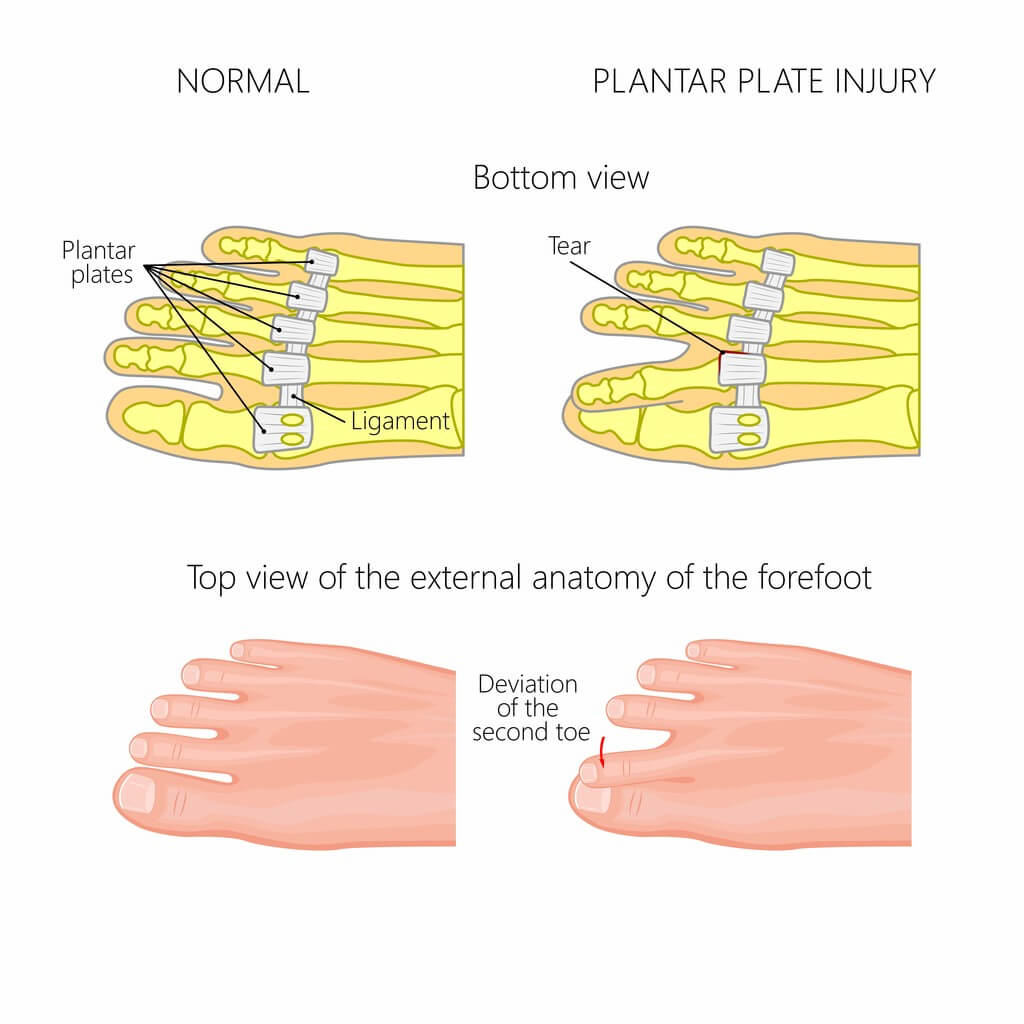
Plantar fasciitis is a condition that affects the bottom or sole of the foot. The plantar fascia consists of several broad bands of thick, tough tissue, which start at the bottom of the heel bone (called the calcaneous). Some of the bands attach to the underside of the bones of the forefoot. The others attach to the bottom of the foot at the ball of the foot (called the metatarsal heads). Because these bands are very close together, they are generally called the plantar fascia.

The plantar fascia provides a structural reinforcement for the foot and helps maintain the arch of the foot. Plantar fasciitis is a condition that happens when the plantar fascia becomes irritated and inflamed. This inflammation can have many causes such as overuse (too much running, walking or standing) or trauma (stepping on a stone, falling on the heel, etc.). Another cause may be a heel spur, which is a bony spur on the bottom of the heel usually located where the plantar fascia attaches. In some rare cases, inflammatory disease may be the cause.


Symptoms

The main symptom is pain located on the sole of the foot. The pain may be very local, in one precise spot, or it may be generalized. Most often, it seems to be at the base of the heel bone or middle of the arch. The problem may be in one or both feet. Pain usually is present or worsens with weight-bearing activities such as walking or standing.

Treatment

Treatment can take many forms. One of the first interventions is to insert a heel-pad support in the shoes to take some of the pressure off the attachment of the plantar fascia. If the pain is near the metatarsal heads, there are also shoe-insert pads for this area. Heat can help to relieve the discomfort. Ultrasound can help reduce the inflammation.

Additionally, there are specific stretches and therapeutic exercises that can be performed to help improve the condition. As the symptoms resolve, rehabilitation generally progresses into more functional-activity exercises, such as walking. For more information consult your health professional.


Filed Under: Uncategorized

Achilles Heel

September 11, 2022 by Gabby

The Man of Legend

Stan Lee once said “Achilles, without his heel, you wouldn’t even know his name today.” The term “achilles heel” comes the age-old myth about Achilles. He was dipped into the Styx River by his mother Thetis in order to make him invulnerable.  Holding him by the foot, his heel was not covered in water. He was later killed when someone shot him with an arrow through his heel. To this day, we still use the term achilles heel and often see injuries involving this structure at the physical therapy office. The achilles tendon is the thick band of fibrous tissue that attaches the calf muscles to your heel. The achilles tendon, is known as the largest and strongest tendon in the human body. It helps with pointing the toes down, and is crucial in walking and running.

The Largest Tendon

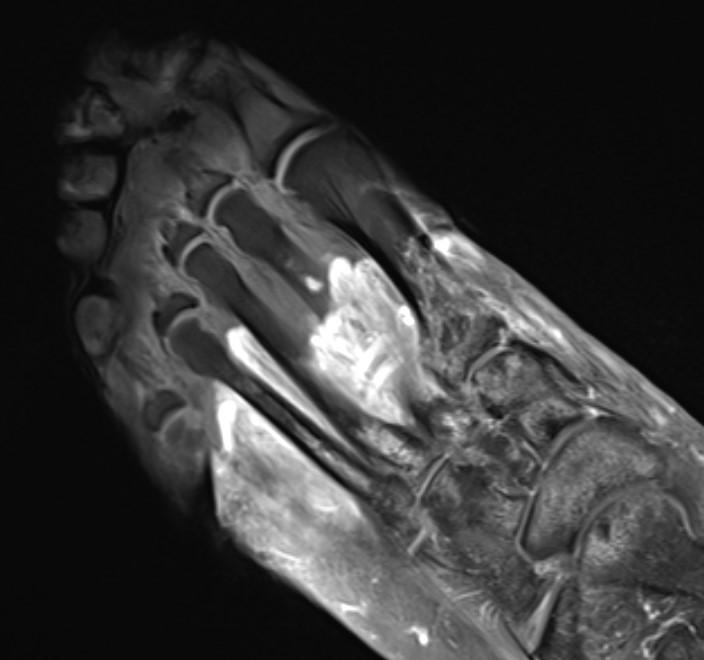
Despite being the strongest tendon in the body, there are often injuries that can occur. The achilles tendon has a lack of blood flow because of its design, high tension, and the demands that get placed on it. Common injuries include tears, complete ruptures, as well as tendonitis. A formal diagnosis by a medical professional is required to determine extent of the injury. This often includes an MRI and special testing to confirm. Most tendon tears and complete ruptures happen during sports related activity. The injury happens when there is a lengthening of the tendon followed by a short and quick contraction. Achilles tears will usually require surgery for repair. This usually includes a long, specific recovery process involving physical therapy. Some smaller grade tears may recover from physical therapy combined with cortisone injections, Tenex procedure, PRP, or stem cells.


Injuries and Treatment

Some less serious injuries are tendonitis, tendonosis, or calcaneal bursitis. These don’t require surgery and can improve with physical therapy. Formal evaluation by a medial professional is usually recommended to confirm no further serious injuries occurred. Physical therapy treatment includes improving blood flow and circulation, range of motion activity to restore pain-free movement, and strengthening/stability exercise so you can return to normal. Proper footwear may also be recommended depending on the nature of the injury and expected recovery.  Most tendonous injuries will improve within 4-6 weeks of time.

The achilles tendon is important for all people who walk or run on their feet. As mentioned earlier, with high demands put on the tendon, many injuries can occur. However, many of the injuries can be healed well.  Please feel free to give us a call if you are experiencing any issues in your achilles tendon.

Filed Under: Uncategorized

Piriformis Syndrome

June 15, 2022 by Gabby

If you’re struggling with a chronic pain in the butt, relief can be hard to find. This is true especially if you have piriformis syndrome. The dead giveaway that this is the problem you’re dealing with is hip and/or buttock pain on one side of the body along with low back pain that radiates down one or both of your legs.

What are we talking about?

Your sciatic nerve travels through your pelvis. It passes under the front surface of the piriformis muscle as it travels through the pelvis. It then cuts into two branches before going down each leg, branching out at the back of your knee to divide into the tibial and peroneal nerves. These nerves supply your lower leg and foot.

On the other hand, your piriformis helps externally rotate and abduct the hip. This is fancy talk for turning your hip outward and bringing your thigh outward while your hip is bent. For example, when your raise your knee and bring your leg out when getting out of a car. It also offers stability while you walk, run and stand.

Piriformis or Sciatica?

The problem is, piriformis syndrome is often mistaken for sciatica. Both conditions interfere with sciatic nerve function. Sciatica results from spinal dysfunction such as a herniated disc or spinal stenosis. Piriformis syndrome, happens when the piriformis muscle, located deep in the buttock, compresses your sciatic nerve. Your therapist is trained to be able to tell the difference. They will help you figure out what is going on and how best to treat it.

Let’s Treat It

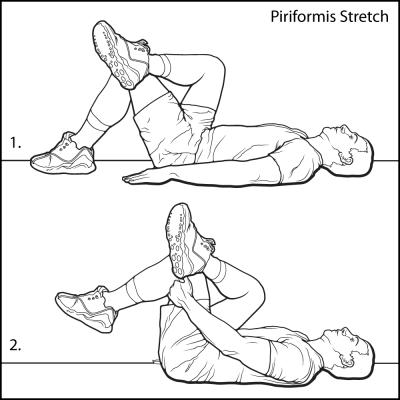
We can treat piriformis syndrome through a combination of hands-on manual therapy techniques and an exercise program. Myofascial release of the piriformis muscle along with a stretching exercise can help relieve tightness and pain directly related to the piriformis. In addition to direct treatment of the piriformis, your physical therapist will address the underlying cause of piriformis syndrome. They may treat muscle imbalances of your hip and address lumbar spine issues.


If you feel this particular pain in the butt, come in and see us soon and we will have you feeling much better.


Written by Tom Farnsworth PT

Filed Under: pain, piriformis syndrome, sciatica, treatment, Uncategorized

Weird Flexors? Okay.

June 8, 2022 by Gabby

There are few things more painful than hip flexors that start acting up. Ranging from a dull ache to stabbing pains in your pelvis or groin area, problems with hip flexors can stem from overuse, underuse, weakness, improper use, and a lack of strengthening and stretching habits. Fortunately, there are some exercises you can do at home that can help these muscles and offer relief from pain or discomfort.

One Knee Up 

Kneel on the floor on one knee with the other foot planted on the floor. With your pelvis tucked under your hips, gently move your body forward as you keep your back straight. Once you begin to feel the stretch in your upper thigh, stop moving forward and instead hold the stretch for 30 seconds. You may find that the longer you hold the stretch, the easier it becomes. Gently inch forward again until you feel the stretch in your upper thigh. Switch legs. Repeat three times per leg. Don’t hold this stretch for longer than 30 second intervals as it won’t improve your flexibility and could result in injury.

Seated Hip Flexor Exercise

This is an ideal exercise to do while sitting in an office chair. Adjust the chair height so when your feet are planted on the floor, your leg forms a 90-degree angle at your knee. With one foot on the floor, raise the other leg so it is straight in front of you, parallel to the floor. Keeping it straight, raise it until your leg is waist high, then lower it so it is parallel to the floor. Repeat 2 sets of 10 repetitions on each leg.

Marching Exercise

Standing up straight and tall, bring one leg up as close to your chest as possible as though you are marching in place. Hold it there for 5 seconds then return it to the starting position. Repeat with the other leg. If you cannot balance effectively on one foot, this same exercise can be done with your back near a wall. Just be sure to stand as straight as possible while alternating legs.

Avoiding the Pain

One of the best ways to avoid hip flexor pain is to avoid staying seated for too long. Those who are physically active or who take periodic breaks from seated work are less likely to develop pain over time. Even if you have a regular exercise routine, ensuring your core muscles are strong and can stabilize your hips will dramatically affect your level of pain in your hips.


If you are trying to fake a smile through the pain, come in and see us in our office.  Our therapists are highly trained and can evaluate your specific needs.

Filed Under: Uncategorized

That’s a Stretch

April 9, 2022 by Gabby

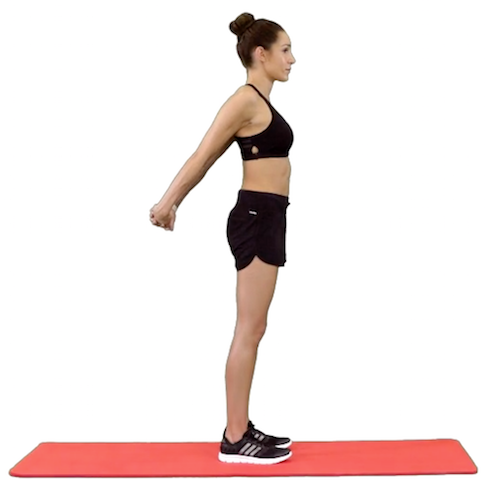
Stretching on a regularly can do a lot for your health. Many people know that stretching before physical activity is important but stretching every day regardless of physical activity is important too. Here are five benefits that stretching has.

The Fab Five of Stretching

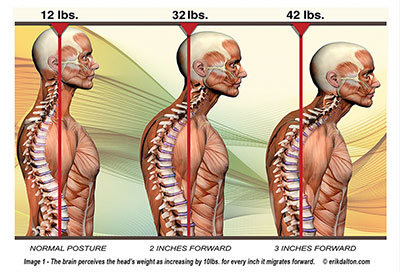
1. Stretching can improve posture.

2. Stretching can improve range of motion and prevents loss of range of motion.
As we age, our joints lose range of motion. We can counteract this by stretching regularly. Even if range of motion in some joints is limited, stretching can help to improve it.

3. Stretching can decrease back pain. Stretching the leg muscles and the muscles mentioned for posture will likely help to decrease back pain.

4. Stretching can help prevent injury. If you stretch a muscle too far, it will become strained or torn. But if you stretch and increase the range in which a muscle can move, the likelihood of injuring it decreases.

5. Stretching can decrease muscle soreness. If you have soreness in a muscle or muscle group from a recent workout or from a muscle strain, stretching can help relieve some of this discomfort.

How often should I be stretching?

Ideally, every day. Sometimes even multiple times a day. We’ve gathered a collection of stretches to add to your daily routine. Even if you’re an adult with no pain whatsoever (which would be rare if you were), these stretches can bring added health benefits to your life.

Stretches

The first stretch is a seated hamstring stretch. This one can be done on a couch, a bed, or even using the aid of a kitchen chair. The idea is to place one leg on the table, bed, or chair while the other is down. Flex your foot so your toes are pointed at the ceiling. If you feel a stretch here, you can stay in this position. If you find yourself needing more of a stretch, you can bend over bringing your chest towards your thigh.

Next, we have a calf stretch using a towel. For this stretch you’ll need a bath or beach towel to aid you in your stretch. Sit comfortably on the floor, keeping your back straight. Fold your towel into a six inch strip, and place the arch of your foot inside. Using your hands, pull the towel tight while keeping your knee straight.

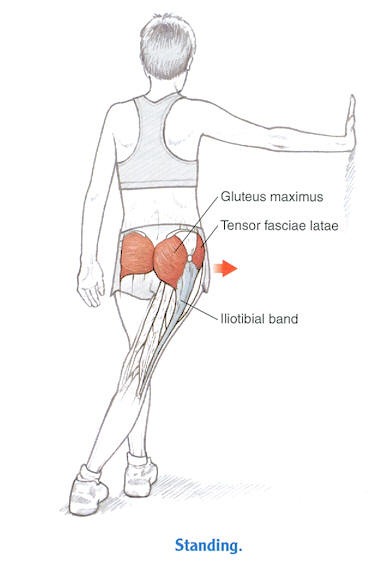
Your IT band runs along the outside of the thigh, from just above the hip to just below the knee, and is made up of fascia, an elastic connective tissue found throughout the body. Whether you have a job where you sit or stand, you probably have a tight IT band. A stretch you can do on the job is the standing IT band stretch. Keep one leg straight and bring your other leg in front, bending slightly at the knee. If this is too comfortable for you and you aren’t getting enough of a stretch, lean slightly to the side of your bended leg.

Our final move is one that is beneficial for your neck and upper back, which will be nice for anyone who has a desk job. Even nicer is the fact that you can do this stretch while sitting at your desk. Sitting upright in your chair with your back straight, grab your head in your hand and gently pull down towards your chest. Stop when you feel a comfortable stretch.

When Should I Do It?

I like to start and end my day with these stretches but they can be done multiple times through the day if you find that they are helpful for you. Each stretch will be most beneficial if you hold it for thirty seconds at a time, doing up to three reps every time you do it. If you are interested in getting a more specific, personalized stretch routine, come in and see us! We’d love to help loosen you up.


Post Written by Tom Farnsworth, PT

Filed Under: back, desk job, posture, Uncategorized Tagged With: daily routine, stretching

  • Page 1
  • Page 2
  • Page 3
  • Page 4
  • Go to Next Page »

Primary Sidebar

Categories

  • back
  • desk job
  • fall risk
  • feet
  • health
  • home exercise
  • knee
  • knee pain
  • lateral epicondylitis
  • lifting
  • pain
  • piriformis syndrome
  • posture
  • sciatica
  • shoulder
  • sleep
  • treatment
  • Uncategorized
  • welcome

Recent Posts

  • Fire and Ice
  • Plantar Fasciitis
  • Achilles Heel
  • Piriformis Syndrome
  • Weird Flexors? Okay.

Footer Insurance

We accept most insurances!

See a list of our preferred providers.

Footer

Common Ailments & Injuries

50 years of experience has brought us a lot of patients, with a wide variety of problems. We have experience diagnosing and treating all types of injuries, but here are some of the most common:

  • Ankle and Foot
  • Back and Neck
  • Elbow
  • Hand and Wrist
  • Hip
  • Knee
  • Shoulder

What Our Patients Say:

We love working with people and always want our patients to feel like part of our family when they are here. Read what some of them have said about their experience with us.

Patient reviews


Sub Footer

Areas Served:

Mesa, Gilbert, Chandler, Phoenix, Queen Creek, Apache Junction, Tempe, Globe, Gold Canyon

Postal Address

Gilbert Office
730 N. Greenfield Rd.
Gilbert, AZ 85234

Phone: (480) 633-0666

Mesa Office
342 N Val Vista Dr. Suite 106
Mesa, AZ 85213

Phone: (480) 325-3310

FoptAZ.com

  • Home
  • Meet Our Therapists
  • Blog

© 2025 All Rights Reserved Farnsworth Orthopedic Physical Therapy