• Skip to primary navigation
  • Skip to main content
  • Skip to primary sidebar
  • Skip to footer
  • Mesa Office (480) 325-3310
  • Gilbert Office (480) 633-0666

Farnsworth Orthopedic Physical Therapy

Orthopedic Physical Therapy

  • Meet Our Therapists
  • Blog
  • What We Treat
  • See What Our Patients Say!
  • FAQs
  • Contact Us
  • New Patient Forms

Gabby

Chronic Pain

April 20, 2022 by Gabby

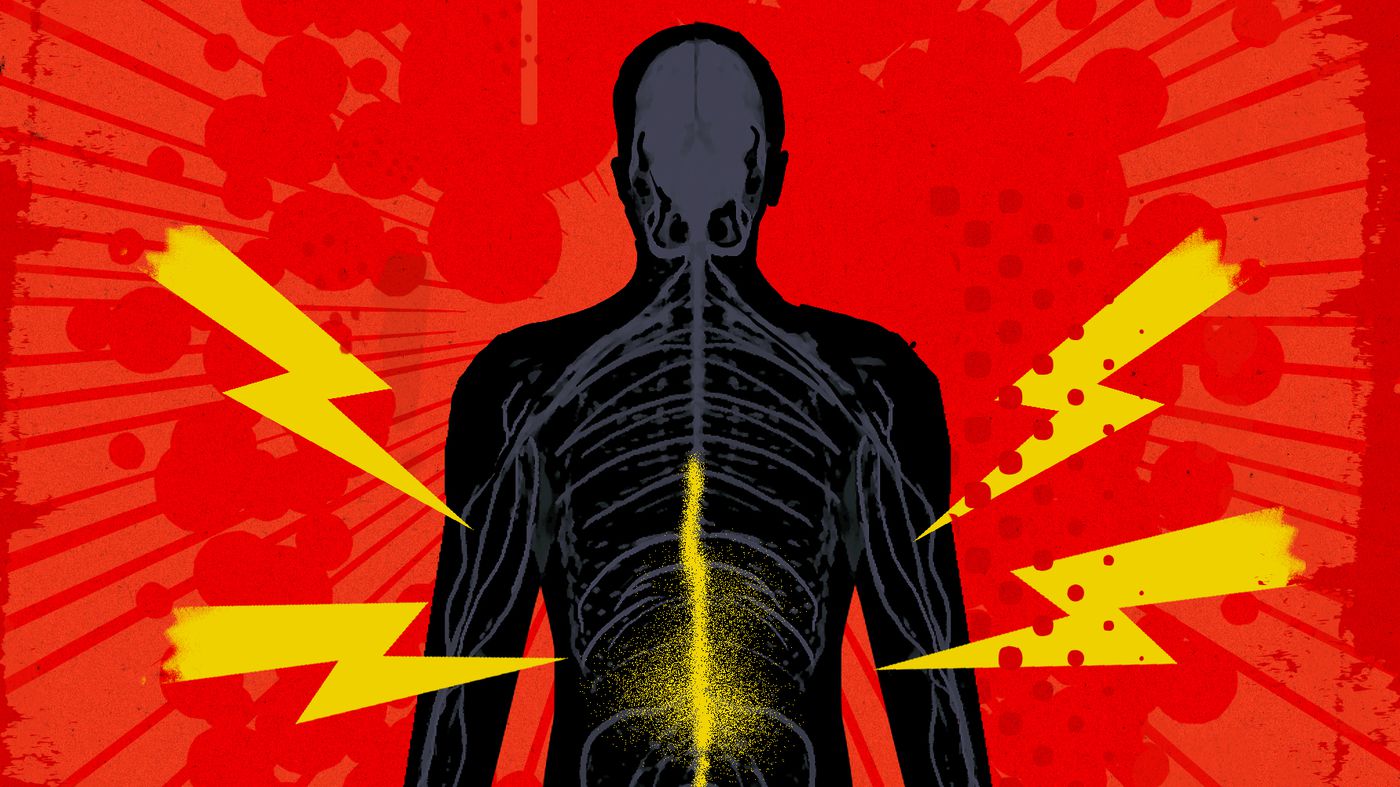
Chronic pain is defined as any pain that lasts for more than three months. When people experience chronic pain for a long period of time, it can lead to a downward spiral. As a result of the pain, you might become more inactive and sedentary, and your health may begin to deteriorate.
Physical therapists can help you manage your pain. Increasing the use of physical therapy could even make a real impact on the tragic levels of drug abuse that often begin with a prescription for pain medication. Living with chronic pain can be extremely difficult.  But physical therapy is a crucial solution that can ease and even solve certain pains and reduce your overall pain level.

More Than Simply Hurting

Chronic pain affects each person differently. The good news is that physical therapy is not a one-size-fits-all approach to pain relief. Your physical therapist has many tools and techniques at their disposal to help alleviate and conquer chronic pain.

Chronic pain has a number of symptoms associated with it. Here are some of the associated symptoms of chronic aches and pains:

  • Weight Gain: People with chronic pain may put on extra weight, which can lead to a host of added problems, from diabetes to heart disease.
  • Activity Avoidance: People with chronic pain become fearful of normal activities. The fear of additional pain can cause people to withdraw from normal physical activities that they enjoy.
  • Stiffness: Muscles and joints may feel stiffer when suffering from chronic pain.
  • Reduced Fitness: Inactivity due to chronic pain can cause your muscles to weaken and shrink. This can have profound physical effects over time, even effecting your ability to balance.
  • Reduced Circulation: Remaining inactive due to chronic pain reduces your circulation, which means your cells are not receiving a healthy amount of blood and oxygen. This can cause tissues to degenerate and lead to feelings of constant fatigue.

This dog has great balance.  She must have gone to physical therapy.

What To Do If Pain Persists

Your physical therapist will work with you to educate you on how to live a healthier lifestyle in order to keep aches and pains at bay. This can include anything from tips on staying hydrated and eating healthier to exercises and stretches you can do at home. The goal is to get you to the point where you are motivated to stay healthy without needing to go to physical therapy on a regular basis. All of this will help to alleviate your aches and pains.

Tom recommends physical therapy.

Physical therapy treatments will also include exercises, stretching, and flexibility. Over time, you will become stronger and more flexible, allowing you to move around more freely and with less pain. Your exercises will be designed to steadily improve your strength and flexibility.  With a variety of tools available to treat and train you, we can make a big impact on your pain. Don’t hesitate to call and set up an appointment and get help.
Filed Under: pain, treatment

That’s a Stretch

April 9, 2022 by Gabby

Stretching on a regularly can do a lot for your health. Many people know that stretching before physical activity is important but stretching every day regardless of physical activity is important too. Here are five benefits that stretching has.

The Fab Five of Stretching

1. Stretching can improve posture.

2. Stretching can improve range of motion and prevents loss of range of motion.
As we age, our joints lose range of motion. We can counteract this by stretching regularly. Even if range of motion in some joints is limited, stretching can help to improve it.

3. Stretching can decrease back pain. Stretching the leg muscles and the muscles mentioned for posture will likely help to decrease back pain.

4. Stretching can help prevent injury. If you stretch a muscle too far, it will become strained or torn. But if you stretch and increase the range in which a muscle can move, the likelihood of injuring it decreases.

5. Stretching can decrease muscle soreness. If you have soreness in a muscle or muscle group from a recent workout or from a muscle strain, stretching can help relieve some of this discomfort.

How often should I be stretching?

Ideally, every day. Sometimes even multiple times a day. We’ve gathered a collection of stretches to add to your daily routine. Even if you’re an adult with no pain whatsoever (which would be rare if you were), these stretches can bring added health benefits to your life.

Stretches

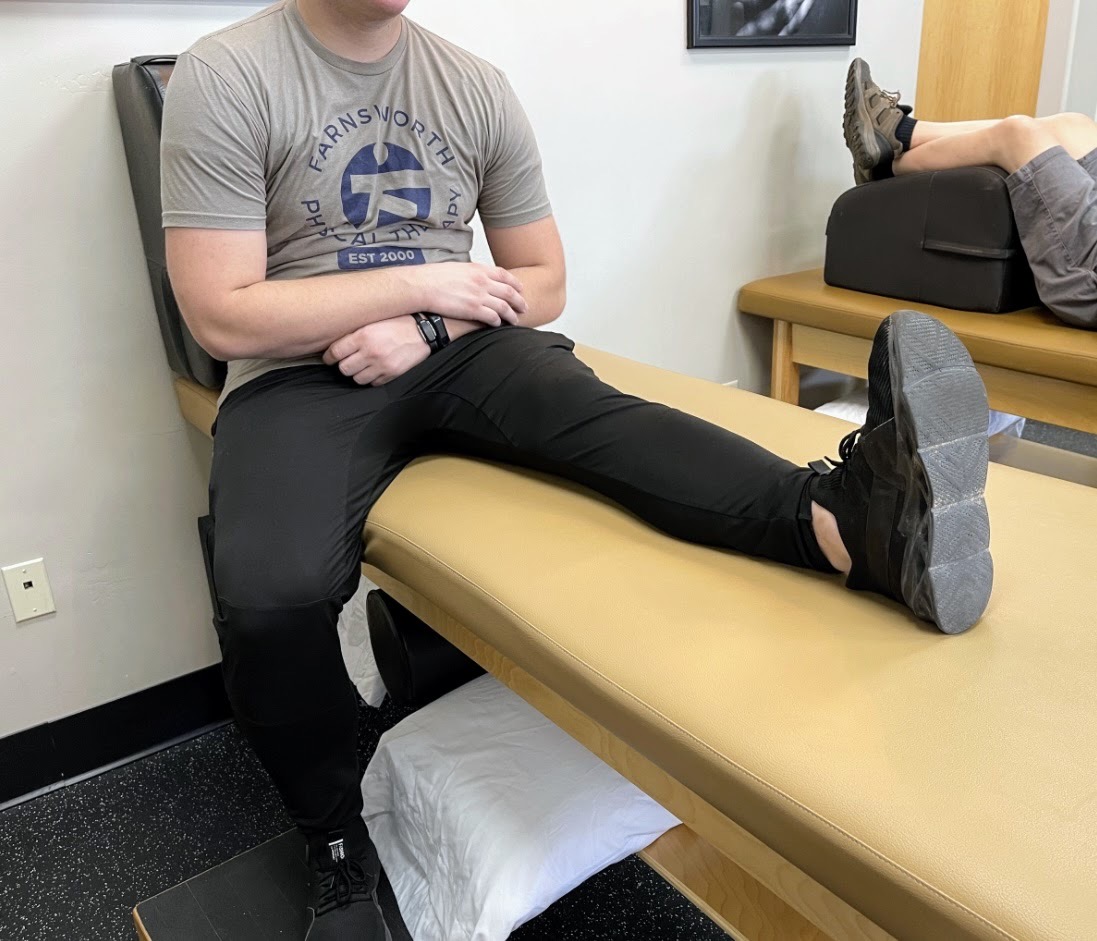
The first stretch is a seated hamstring stretch. This one can be done on a couch, a bed, or even using the aid of a kitchen chair. The idea is to place one leg on the table, bed, or chair while the other is down. Flex your foot so your toes are pointed at the ceiling. If you feel a stretch here, you can stay in this position. If you find yourself needing more of a stretch, you can bend over bringing your chest towards your thigh.

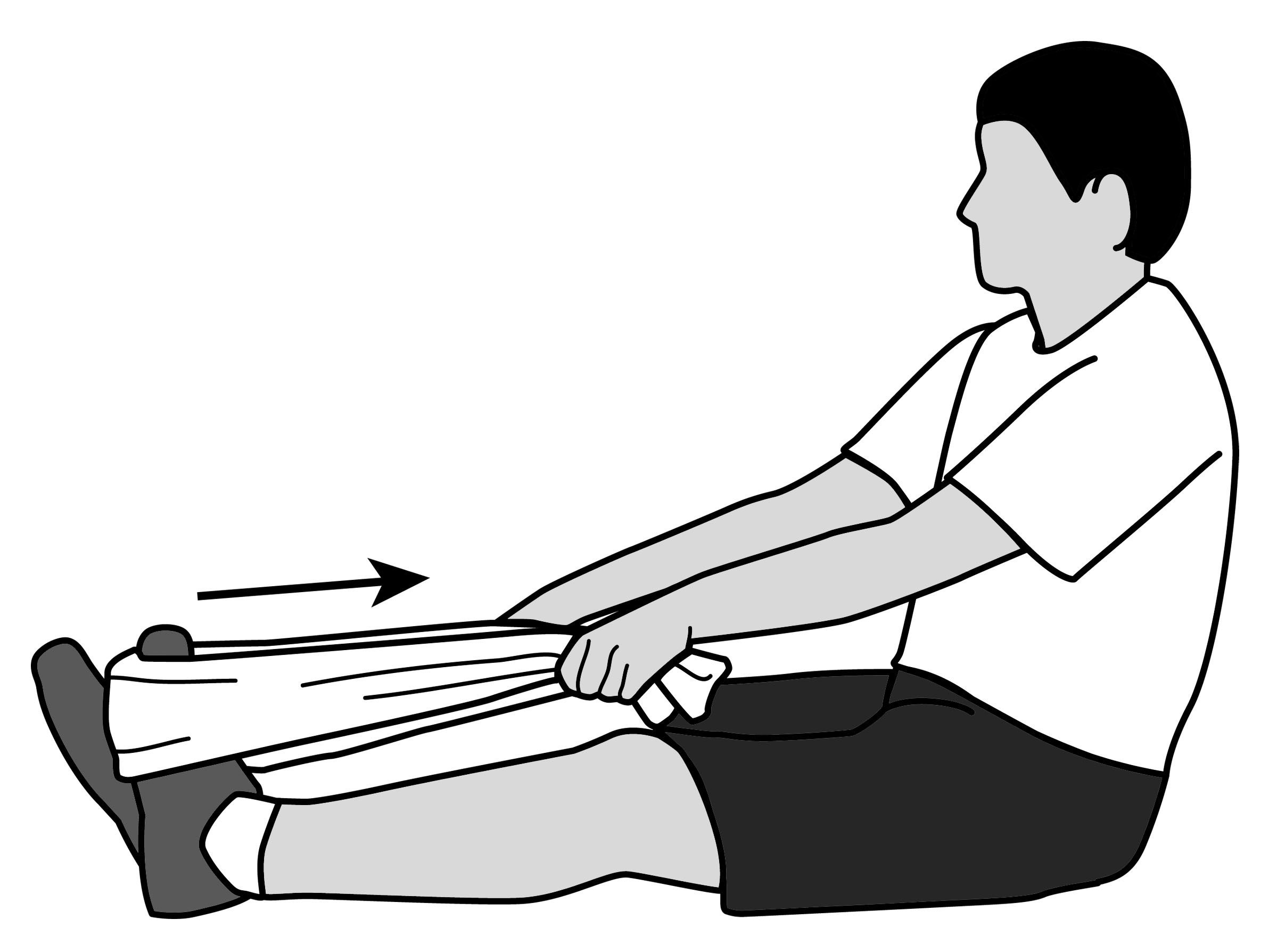
Next, we have a calf stretch using a towel. For this stretch you’ll need a bath or beach towel to aid you in your stretch. Sit comfortably on the floor, keeping your back straight. Fold your towel into a six inch strip, and place the arch of your foot inside. Using your hands, pull the towel tight while keeping your knee straight.

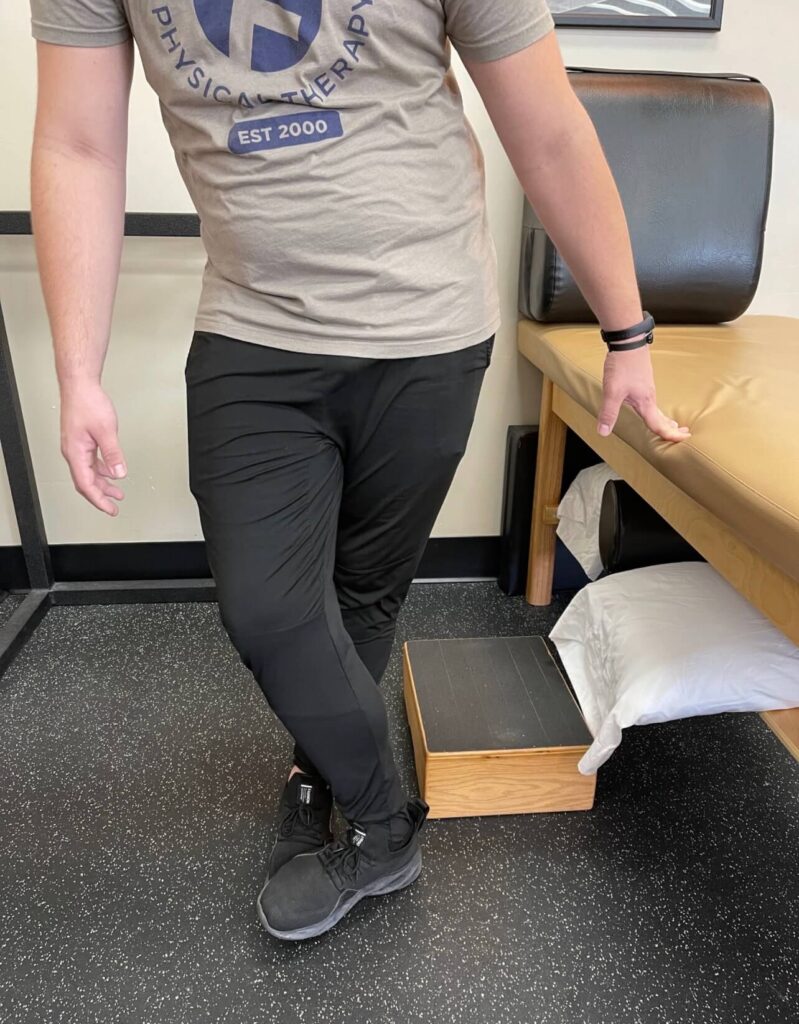
Your IT band runs along the outside of the thigh, from just above the hip to just below the knee, and is made up of fascia, an elastic connective tissue found throughout the body. Whether you have a job where you sit or stand, you probably have a tight IT band. A stretch you can do on the job is the standing IT band stretch. Keep one leg straight and bring your other leg in front, bending slightly at the knee. If this is too comfortable for you and you aren’t getting enough of a stretch, lean slightly to the side of your bended leg.

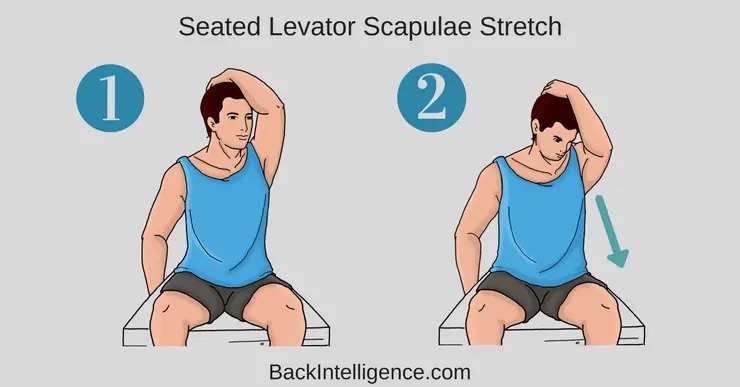
Our final move is one that is beneficial for your neck and upper back, which will be nice for anyone who has a desk job. Even nicer is the fact that you can do this stretch while sitting at your desk. Sitting upright in your chair with your back straight, grab your head in your hand and gently pull down towards your chest. Stop when you feel a comfortable stretch.

When Should I Do It?

I like to start and end my day with these stretches but they can be done multiple times through the day if you find that they are helpful for you. Each stretch will be most beneficial if you hold it for thirty seconds at a time, doing up to three reps every time you do it. If you are interested in getting a more specific, personalized stretch routine, come in and see us! We’d love to help loosen you up.


Post Written by Tom Farnsworth, PT

Filed Under: back, desk job, posture, Uncategorized Tagged With: daily routine, stretching

Dry Needling

March 31, 2022 by Gabby

What is it?

Dry needling is also called trigger point dry needling or myofascial trigger point dry needling. It is done by physical therapists in order to treat myofascial pain. The word “myofascial” is made up of the roots “myo” (which refers to muscle) and “fascia” (which refers to the tissue that connects muscle). And it’s called dry needling because you aren’t injecting anything.

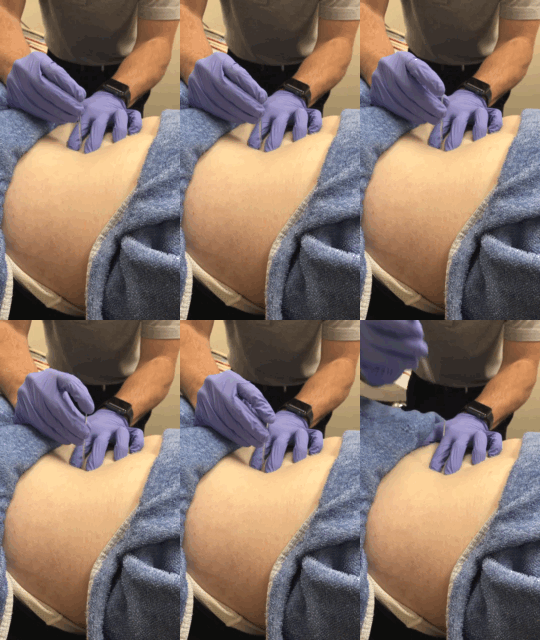
Muscles sometimes develop knotted areas called trigger points. These trigger points are highly sensitive and can be painful when touched. They are also often the cause of referred pain (or pain that affects another part of the body). A therapist pushes thin solid needles through the skin into trigger points. The needles are used to stimulate the tissue, not to inject medication.

A patient may experience different sensations when being needled.  For example, muscle soreness, aching and a muscle twitch when a needle is inserted are considered to be a good sign. The needles may be placed deeply or superficially, for shorter or longer periods of time, depending on what type of pain is being treated and how long it has lasted. Shorter periods of time would mean that needle would stay in the muscle for seconds, while longer periods could mean 10 to 15 minutes. If it sounds painful, it generally is not! Usually, inserting the needle is painless.

What does it treat?

Dry needling is almost always used as a part of an overall therapy plan that will likely include some type of exercise, manual therapy, heat therapy, and education. It is used to increase range of motion that may be limited due to muscle tightness or scar tissue. Dry needling may also treat:

  • Joint problems
  • Disk problems
  • Tendinitis
  • Migraine and tension-type headaches
  • Plantar fasciitis
  • Whiplash
  • Repetitive motion disorders (like carpal tunnel syndrome)
  • Spinal problems
  • Pelvic pain
  • Night cramps
  • Phantom pain

Ask Your Therapist

Dry needling can be a very useful tool to help you recover.  However, it’s not for everyone.  You shouldn’t have dry needling done if you are pregnant, or if you are currently on blood thinners. Talk to your therapist about whether dry needling would be right for you.  Your therapist is an expert and can set up a plan to get you back to feeling like yourself again.

Filed Under: Uncategorized

Fractures of the 5th Metatarsal

March 13, 2022 by Gabby

Filed Under: feet, pain

Headache Be Gone

March 3, 2022 by Gabby

If you suffer with headaches or migraines, you know how frustrating it is to have the pain hit and interrupt your work, vacation, or taking care of your family. While effective treatments exist for almost all types of headaches and migraines, they can vary in the amount of time they take to create relief. The more you can prevent the headaches and migraines from occurring in the first place the better.

These healthy habits won’t eliminate headaches for everyone, but most people who integrate them notice steady progress.

Change Up Your Drinks

Caffeine can help relieve some headaches and migraines but continued, regular consumption can increase the amount of headaches you have. And, you can even experience caffeine withdrawal headaches if you don’t get your daily fix. Taper caffeine intake and substitute herbal tea and infused (non-sweetened) water in place of caffeinated drinks.

Sleep Time

The quality and quantity of your sleep has a huge impact on your overall health and wellbeing. Make sleep a priority and establish a bedtime routine. Nothing will have a bigger impact on your long term health.

Take Care of Yourself


You know you should take care of yourself first. After all, how many times have you heard people use the metaphor ‘put the oxygen mask on yourself first’ in an emergency situation before helping your child on a plane? This can be difficult for anyone, and even more difficult if you suffer from an ‘invisible illness’ like migraines.  If you are going through a lot, having an outlet like a professional therapist can be a huge help.

Breathing and Mindfulness

Just five minutes of mindful breathing can decrease stress and improve your concentration. Over time this can lead to decreased headaches. There are many apps out there that can help you learn mindfulness techniques.  Yoga is also a great practice that can help you manage stress and increase flexibility.  All of this is helpful for tackling headaches.

Exercise

Regular exercise can reduce the frequency and intensity of headaches and migraines. When you exercise, your body releases endorphins, which are your body’s natural painkillers. Exercise reduces stress and helps you to sleep at night. Some people get headaches or migraines when they exercise. One possible reason for this is the physical reaction to the elevation of blood pressure. This is not a reason to avoid exercise though. Instead, incorporate a 10-15 minute warm up, which will help your body prepare for more vigorous exercise and can help prevent headaches associated with exercise.

Foods

It is especially important to eat three square meals a day with perhaps some healthy snacks. Keep processed food to a minimum, and focus on whole foods with few additives. Certain foods are also linked to giving you a headache. Here are a list of foods that may cause or worsen headaches or migraines in some people.

  • Alcohol, specifically red wine
  • Aspartame sweetener
  • Beans and other tyramine-containing foods
  • Caffeine (often found in foods, beverages, and medicines)
  • Cheeses and yogurt
  • Processed meats (containing sulfites like bacon, sausages, salami, ham)

This man 100% has a headache.

Come See Us

When you invest time and energy into incorporating these healthy habits, your payoff will be fewer headache and migraine days. This means more time with family, a better time at work, and enjoying vacation without headaches and migraines cramping your style. Start with one habit at a time and you’ll notice big differences as the weeks go by.  If you think your headache is due to an injury or a physical issue that you have, come in and see us at the office and we can help you get on your way to fewer headaches.

Filed Under: pain

The Cuboid is Connected to the…

February 15, 2022 by Gabby

What is it?

First of all, the cuboid bone is one of the seven tarsal bones. It is located on the outside of your foot. It attaches your foot to your ankle and helps stabilize your foot in standing positions. This bone helps with the movement of your toes. As it plays an important role in walking and daily living, your cuboid can experience several injuries. It can be fractured, dislocated or have other stress related injuries. These injuries happen with prolonged stress to the area. As I have recently learned from my own experience, long walks on the beach with an angled surface can also cause an injury to this area.

Symptoms

Symptoms of a cuboid injury include pain along your little toe, difficulty walking or hopping, and reduced range of movement. You may also experience increased sensitivity along the bottom of your foot. These symptoms can range from dull and aching or sharp and intense.

Treatment

Treatment for these types of injuries used to be suggested by using RICE (Rest, Ice, Compression, Elevation). But the research now suggests that this does little for recovery, especially outside of the first 3-5 days. However, if you have a fracture a walking boot and potentially non weight bearing orders are usually given for some time.  Rarely is surgery necessary for a cuboid fracture. Sometimes you can dislocate something in this area. If so, we can perfom manual therapy, which is the best way to help. We will follow this up with a strength and stabilization program which helps prevent further issues. After physical therapy, there is a strong chance that you can return to all activity with no limitations.

Overall, your foot can be very complex, but it is essential to all activity.  If you feel that you have recently experienced a cuboid issue or have any of these similar symptoms, please feel free to reach out to our office for further evaluation.


Written By: Casey Badder, PT

Filed Under: feet

  • « Go to Previous Page
  • Page 1
  • Page 2
  • Page 3
  • Page 4
  • Interim pages omitted …
  • Page 15
  • Go to Next Page »

Primary Sidebar

Categories

  • back
  • desk job
  • fall risk
  • feet
  • health
  • home exercise
  • knee
  • knee pain
  • lateral epicondylitis
  • lifting
  • pain
  • piriformis syndrome
  • posture
  • sciatica
  • shoulder
  • sleep
  • treatment
  • Uncategorized
  • welcome

Recent Posts

  • Fire and Ice
  • Plantar Fasciitis
  • Achilles Heel
  • Piriformis Syndrome
  • Weird Flexors? Okay.

Footer Insurance

We accept most insurances!

See a list of our preferred providers.

Footer

Common Ailments & Injuries

50 years of experience has brought us a lot of patients, with a wide variety of problems. We have experience diagnosing and treating all types of injuries, but here are some of the most common:

  • Ankle and Foot
  • Back and Neck
  • Elbow
  • Hand and Wrist
  • Hip
  • Knee
  • Shoulder

What Our Patients Say:

We love working with people and always want our patients to feel like part of our family when they are here. Read what some of them have said about their experience with us.

Patient reviews


Sub Footer

Areas Served:

Mesa, Gilbert, Chandler, Phoenix, Queen Creek, Apache Junction, Tempe, Globe, Gold Canyon

Postal Address

Gilbert Office
730 N. Greenfield Rd.
Gilbert, AZ 85234

Phone: (480) 633-0666

Mesa Office
342 N Val Vista Dr. Suite 106
Mesa, AZ 85213

Phone: (480) 325-3310

FoptAZ.com

  • Home
  • Meet Our Therapists
  • Blog

© 2026 All Rights Reserved Farnsworth Orthopedic Physical Therapy