• Skip to primary navigation
  • Skip to main content
  • Skip to primary sidebar
  • Skip to footer
  • Mesa Office (480) 325-3310
  • Gilbert Office (480) 633-0666

Farnsworth Orthopedic Physical Therapy

Orthopedic Physical Therapy

  • Home
  • Reviews
  • FAQs
  • Contact us
  • Meet Our Therapists

Julie

Bunions Are Not Like Onion Bagels

April 3, 2021 by Julie

What is a bunion anyway?

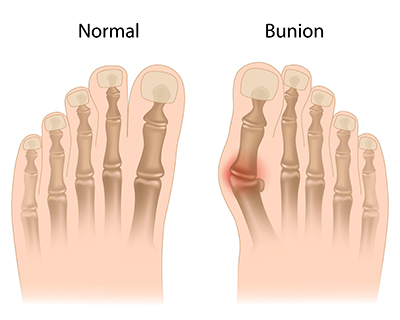
What comes to mind when you hear the word bunion? Bunions always make me think of onion bagels for some reason. Many people think that bunions are callous-like spots that form on the bottoms of your feet, but this is not the case. They’re actually a bony projection that develops on the joint at the base of your big toe. Bunions are a very common ailment. There are more than 3 million cases per year in the US alone. Bunions are more common in females, and can last several months or years.

(Those are not bunions)

Symptoms

Common symptoms may include an outward bulge or bump at the base of the big toe, and corns or calluses on your toes. Swelling and redness on the skin around the big toe joint, and pain near the swollen area are also common problems that occur where bunions are present. This problem may result in limited mobility in the big toe, and general foot pain.
Diagnosis

Bunions must be properly diagnosed by a physician. Typically, an x-ray of the foot is taken to identify the cause and severity of a bunion. In some cases, blood work may also be ordered to see if there is also arthritis present. The exact cause is unknown. However, several factors can contribute to this unpleasant ailment, including pressing of your big toe against your second toe. They can also be caused by wearing narrow or tight shoes, arthritis, and stress or injury to the foot.

Treatment

In severe cases, a surgery called a bunionectomy or osteotomy may be performed. Treatment other than surgery may include anti-inflammatory medications, a change in footwear, and adding padded footwear to your shoes.You can also ice the area which reduces pain, soreness, and inflammation. If you need surgery, it’s likely that you will benefit from having physical therapy after your operation to help heal and strengthen your foot. We’ll have you feeling like you’ve got brand new feet in no time.

Written by Tom Farnsworth PT
Filed Under: feet, health, pain

Shin Splints

March 10, 2021 by Julie

A Familiar Pain

This recent pandemic has led a lot of people to re-evaluate their health.  One thing that a lot of people have turned to over the past year in order to improve health is to begin exercising more. In some, this has led to some injuries. This may be a pain along the front of their lower leg. Most of us know what this means. Shin splints is a very well-known term that indicates some sort of damage to our lower leg. This pain is due to an overworking of the musculature on the anterior portion of the lower leg. Another possibility is too much stress on the tibia, otherwise known as the “shin bone.” Those most at risk are the following:

  • Those new to or recently trying high impact activities, such as running.
  • People performing activity over uneven or abnormally hard terrain.
  • Those with old, worn out, or ill-fitting shoes.
  • Those with low or abnormally high arches.
  • Those who use poor form in certain activities.
  • People with weakness in the ankles, hips or core.

This overwork can lead to problems in the musculature, or can even cause stress fractures of the tibia.

The good news is shin splints may go away on their own if you take time off from the irritating activity and let the problem calm down. The problem comes from when you start the activity again, you may suffer from the same pain.

What can be done?

Many times, the problem can be addressed by simply icing your shins and resting. If you are unable to independently manage the pain in your leg, seek assistance from you physician or physical therapist. A physical therapist is uniquely qualified to address any and all contributing factors. One extremely important factor is footwear. Shoes that fit your specific foot are extremely important. Whether you have high, or low arches, or a normal arch, there is a specific shoe which is correct for your foot. If you have incorrect shoes, this can cause problems. A physical therapist or a local shoe store such as Road Runner or the Arizona Walk Shop can evaluate your gait and make recommendations which shoe is correct for you. This is extremely important.

What can a PT do?

Physical therapists specialize in evaluating and treating all injuries and abnormalities of the musculoskeletal system. A therapist can evaluate your gait, test your strength, and find all problematic aspects which may be causing you issues. If you have questions, make sure to make an appointment to get you back on the road to recovery.


Written by Rod Walker PT

Filed Under: pain, treatment

Hamstrings

February 21, 2021 by Julie

Why are hamstrings important?

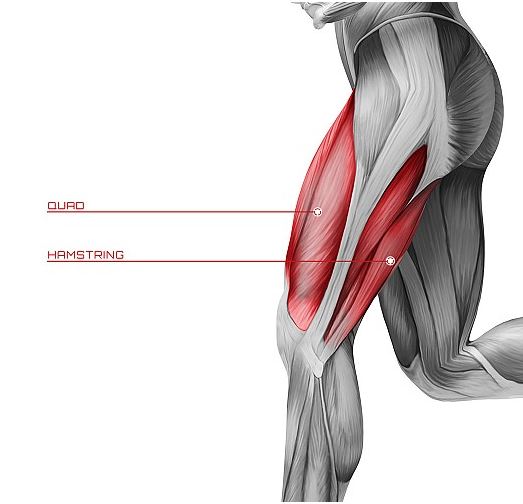
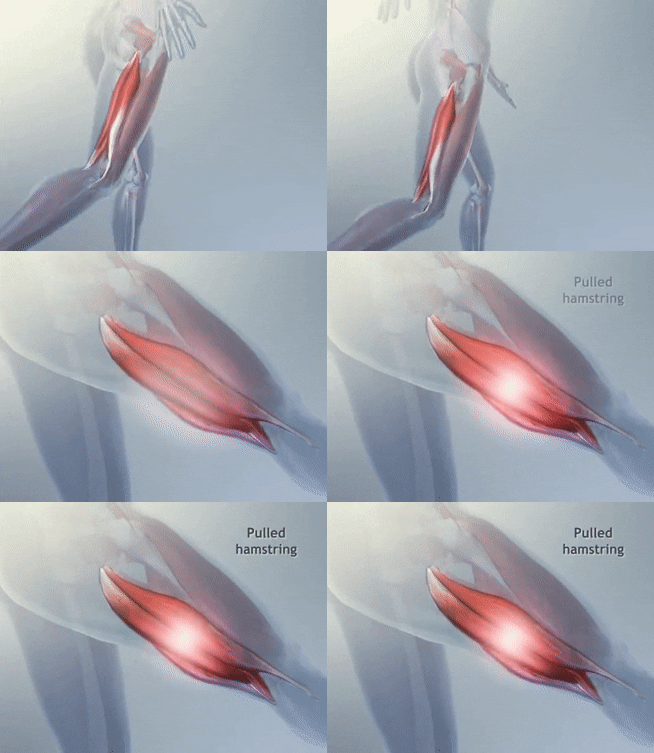
The hamstring muscles are a group of three muscles that sit in the back side of your upper leg, or thigh. These muscles often have limitations, either in mobility or strength. This can alter normal biomechanics during your regular daily activity or sports related activity. Some common hamstring injuries include a tear or strain of the muscle or tendon. Your hamstring muscles are also essential in low back health as you age. They are muscles that will constantly need work. They also assist in extension of your hip as well as flexion of the knee.

Issues

The attachment point of the hamstring muscles is the ischial tuberosity, which is part of your pelvis.  Tension is quite common in your hamstrings. This leads to a pulling in your pelvis. This will case a pelvic tilt and consequently, a flat back posture, which affects the normal curvature of your spine. We find this most commonly in the elderly. This can lead to weakness of the lumbar spine when your muscles are not able to contract properly and can lead to further back injuries. Stretching will improve the mobility of your hamstring muscles.  This also decreases the potential for further injury in your low back or legs.

Another common issue for your hamstring includes a muscle imbalance, in which there is a decreased strength of the hamstrings or an increased strength of the quadricep muscles. Research shows that quadricep muscles are often more powerful than the hamstrings. The hamstrings seem to fatigue quicker than the quadriceps. This can often lead to a muscle strain and occurs most commonly in the athletic population. Strengthening the hamstring muscles will help create a 1:1 ratio of strength in these muscles and decrease a risk for injury.

Come in and see us.

There are plenty of issues that occur in the hamstring which can lead to serious injury. It is important to assess the hamstrings and determine if flexibility or strengthening is better for you and to proscribe an appropriate exercise program. If you are experiencing any of these issues or feel that you could benefit from our services, please contact us.

Casey Badder PT

Filed Under: health, pain, posture, treatment

Clavicle Injuries

February 4, 2021 by Julie

Better Know Your Clavicle

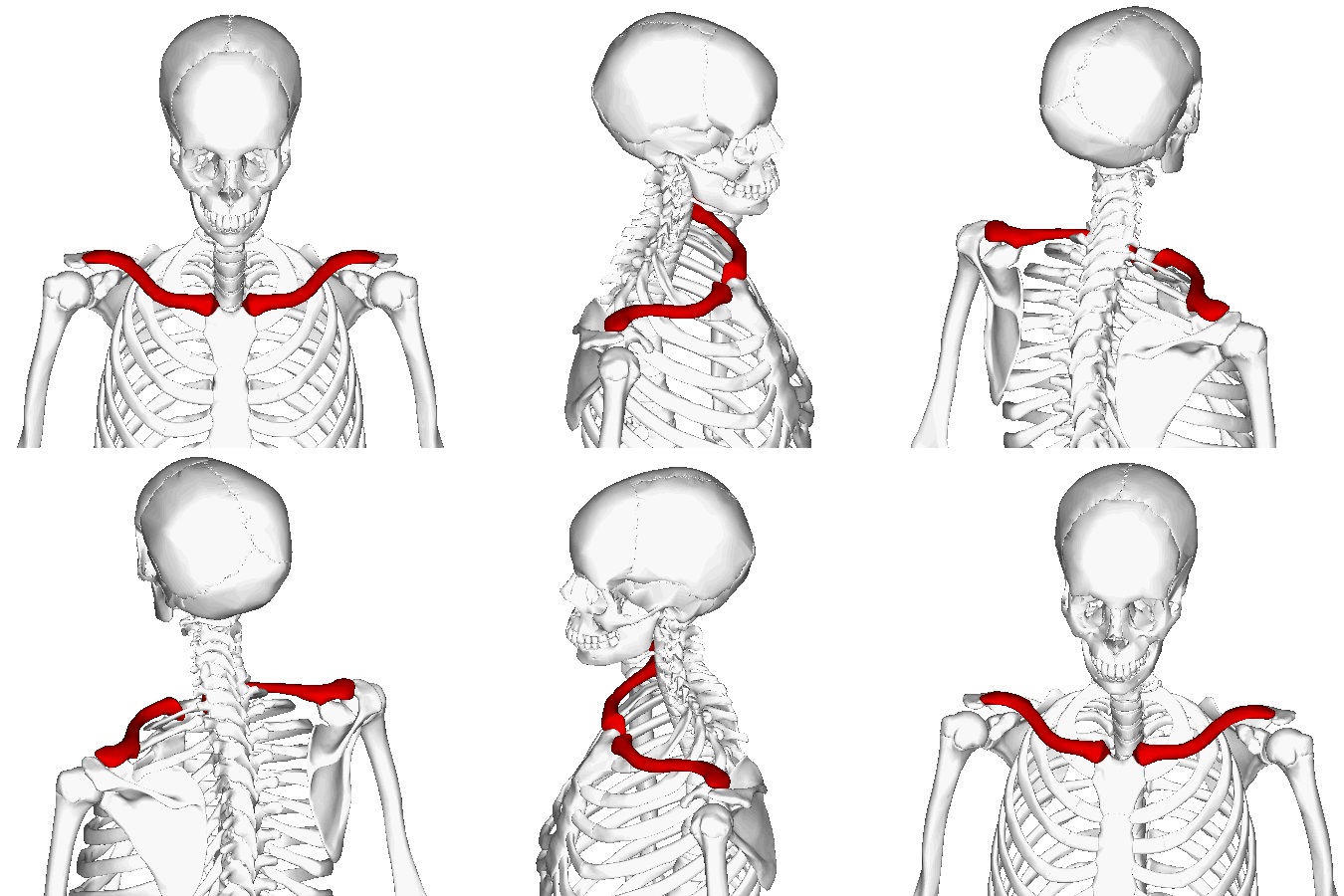
The clavicle is the medical term for your collarbone. On one end, the collarbone attaches to the top of your sternum (the “breastbone”). The other end attaches to a bone of the shoulder blade. The clavicle provides considerable support for the shoulder. In fact, the clavicle is the only direct bony attachment that your shoulder has to the rest of your skeleton. The clavicle attaches to the sternum and shoulder blade by ligaments (strong fibrous bands of tissue). It has very few muscles to help contribute to the support.


Injuries

Clavicle injuries usually happen because of a trauma such as a car accident. They can also happen when you fall on your shoulder or outstretched arm. The result is either a broken clavicle or a ligament tear.

When a clavicle gets inured, you will feel pain at your shoulder blade attachments or at your sternum. Your shoulder may also have what is known as a “drop off.” This means your shoulder is lower than the other shoulder and has a noticeable step off rather than a rounded appearance. The pain may increase as your shoulder is lifted, especially when lifting over your head.

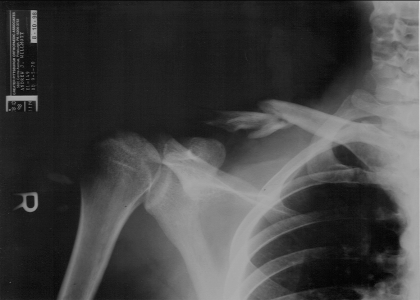
This clavicle here is broken very badly.  Ouch!

Treatment

In either case, the first treatment is to brace and support the shoulder for a period of time to allow the fracture or the ligament injury to heal. In severe or complete fractures, a doctor will need to set your fracture. The amount of time of immobilization depends on your physician’s opinion and the degree of the injury. In severe injuries, you may need surgery.

After a period of immobilization, you’ll need a more active rehabilitation program. Avoid lifting objects with your injured-side arm. Also, you will need to avoid carrying items such as purses or backpacks. At first, modalities such as ice, ultrasound or anti-inflammatory procedures may be used to help decrease the pain and reduce inflammation. Gentle range-of-motion exercises are helpful, usually in the lower ranges, avoiding overhead activity. As your range improves and your pain is reduced, the exercise program transitions to a strength program with range-of-motion overhead exercises.

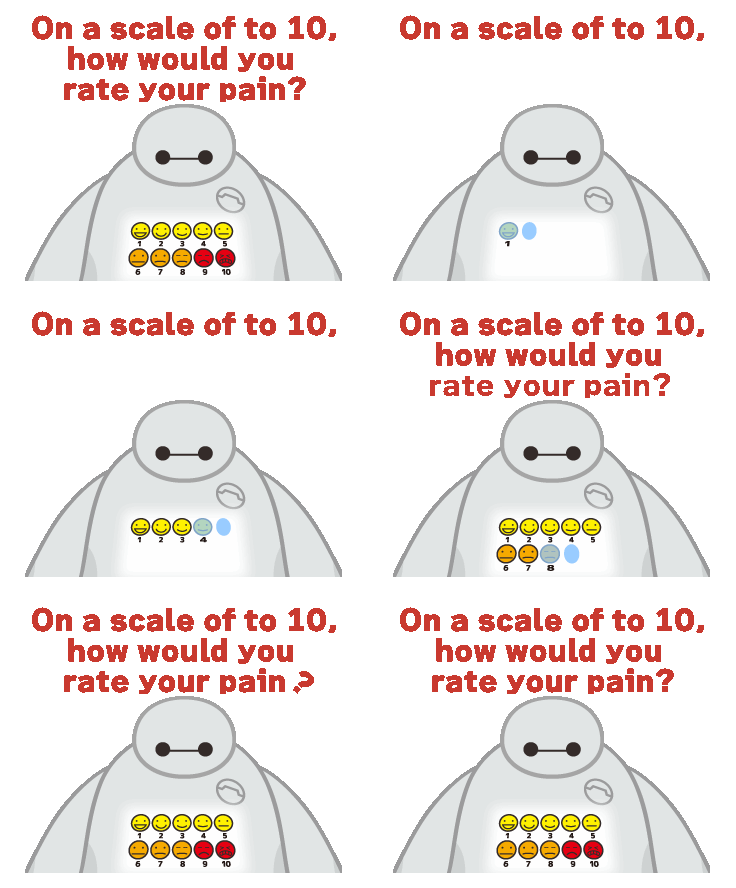
Decreasing your pain level is key.

Patience Is a Virtue

Clavicle injuries may be difficult and painful to rehabilitate, depending on the severity of the injury and ligaments injured. Ligaments can be slow to heal, so rehabilitation may be slow and relatively long. It is important to have patience and not become frustrated during this time. In most cases the outcome is good. Consult your doctor or health professional for the details of your injury.

Written by Travis Rohner PT

Filed Under: lifting, pain, shoulder, treatment

Total Knee Replacement

January 21, 2021 by Julie

Knee Replacement

One of the most common things that we see patients for is total knee replacement. Our therapists are experts and can easily guide you through the therapeutic process.   At our office we also have specialized equipment aimed directly at helping our patients that have had knee replacements heal from surgery and get their mobility back.  Knee replacements are major surgery, but with our treatment plan you can have a successful recovery as quickly as possible.

Our Equipment

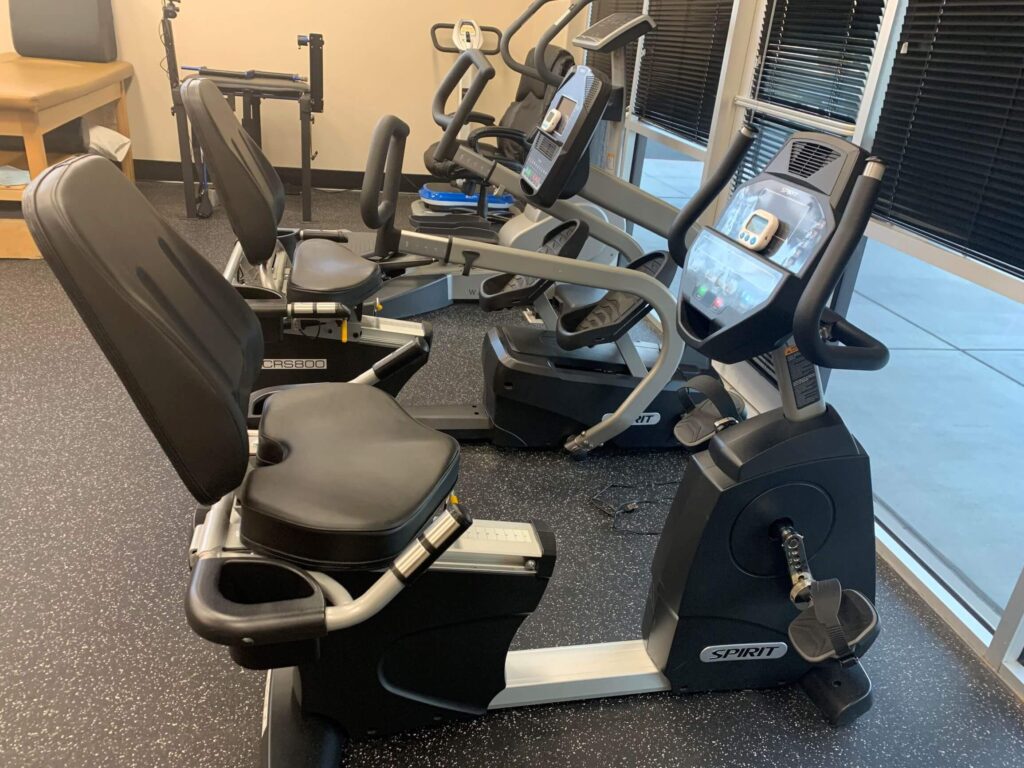
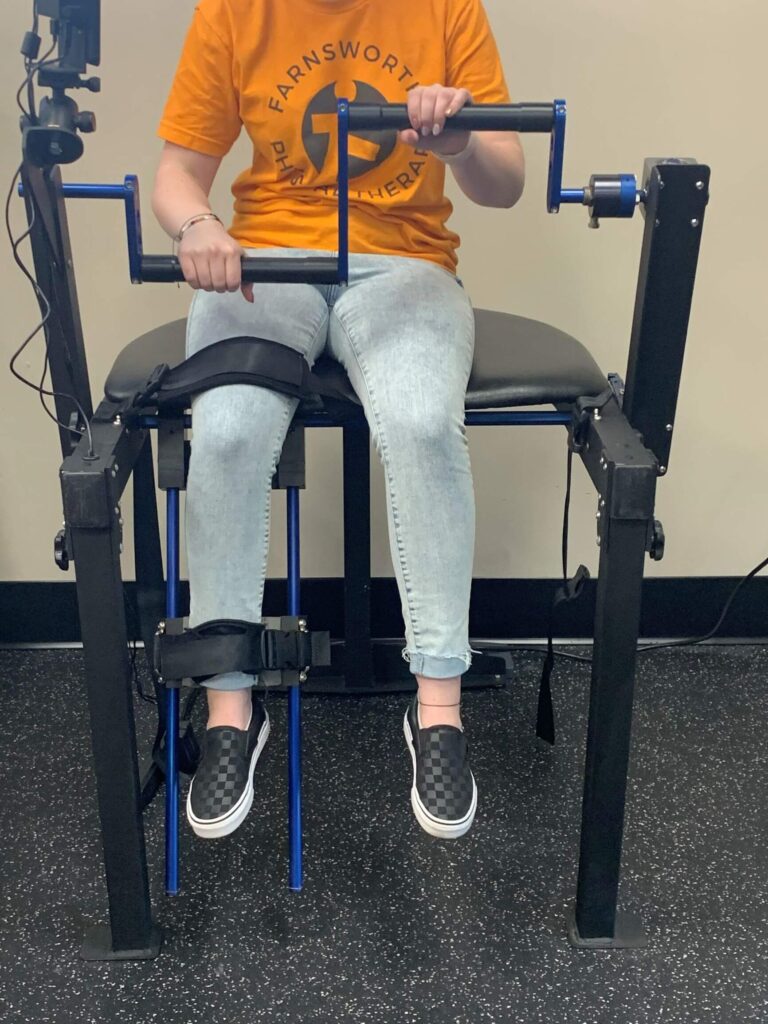
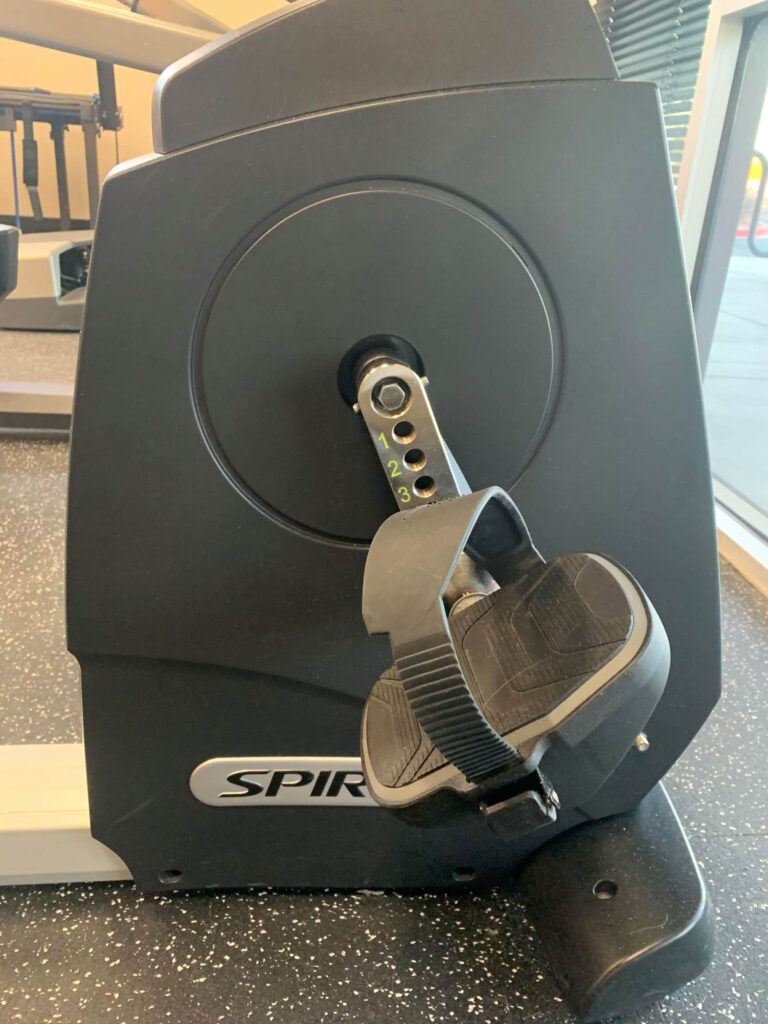
Recumbent bikes are easy to use, and put little strain on sore or injured, tendons, ligaments and joints. They also allow you to strengthen your muscles which is important after your surgery.  Our recumbent bike is a stationary bike with a bucket seat. Instead of sitting directly over the pedals, the pedals are out in front of you. This makes it easier to use, and it puts less strain on your back, knees, and hips.

This bike has adjustable pedals to help you get the customized fit that will serve you best.


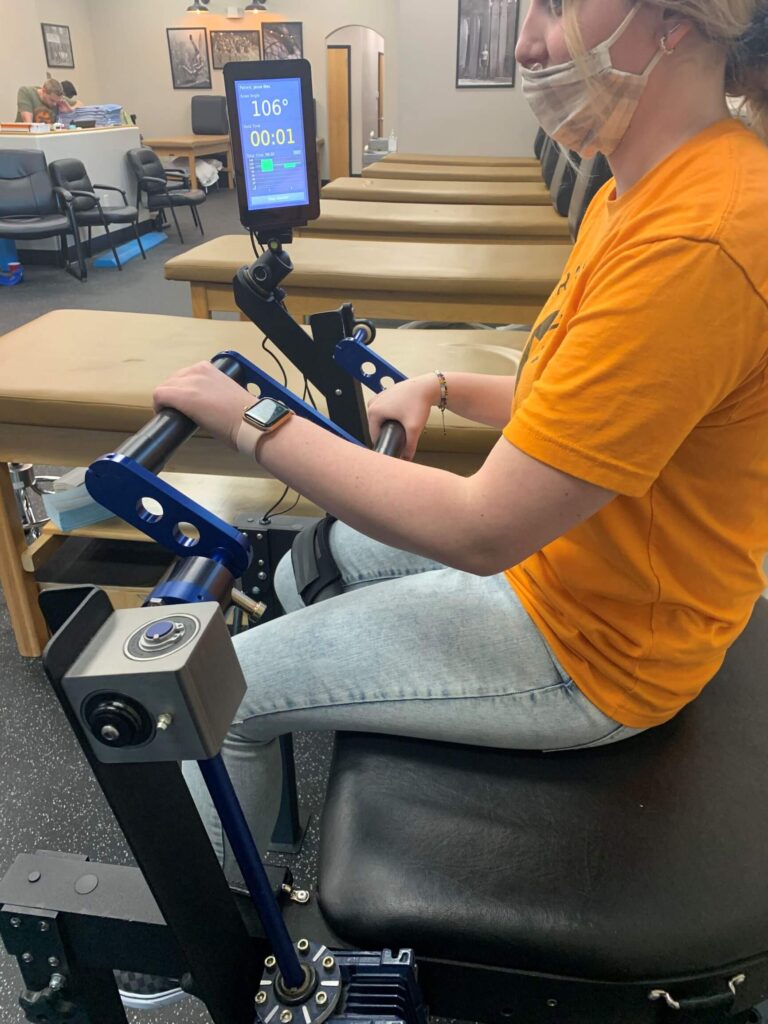
The bender is machine that is designed to help you increase your range of motion.  It allows you to safely bend your knee and regain the flexibility that you need to get back to your everyday life.  This machine is set up with a display that shows you the angle of your knee in degrees.  You and your therapist will work together to come up with goals on how far you can bend your knee and how soon you can reach that goal.  Using that handlebars to assist your knee and leg muscles, you will soon be regaining maximum range of motion with your new knee.

Testimonial

Of course, it’s best to not take our word for it when it comes to how good we are at rehabbing knee replacements.  Instead, take the word of one of our recent patients:

“I came to Farnsworth Physical Therapy after a total knee replacement for rehab.  Everyone was professional, friendly, caring, and encouraging.  Tom, my therapist, was interested in making sure I met my goals.  They helped me to progress while they worked on lessening my pain.  I highly recommend this facility.”  -Christie Cobb


Written by Tom Farnsworth PT
Filed Under: knee, knee pain, treatment

We’ve Moved!

January 7, 2021 by Julie

We’ve Moved to a New Location

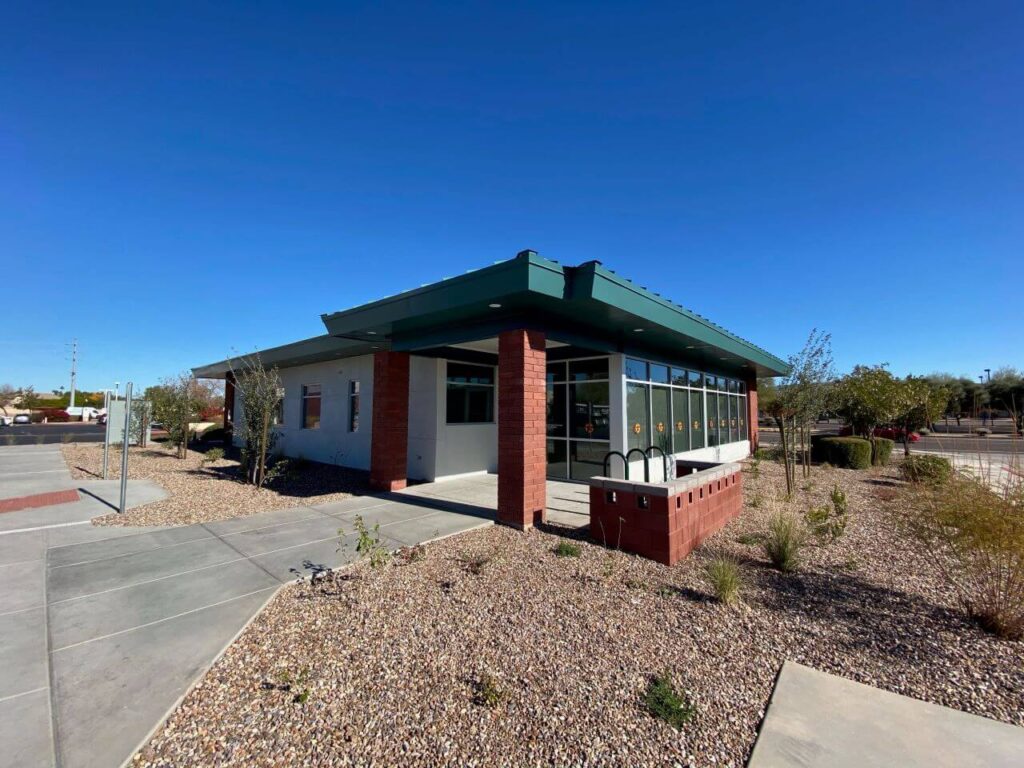
We’ve enjoyed our old location at the NE corner of Greenfield and Guadalupe for over 20 years. However, the time has come for us move and expand.  So we searched far and wide and found the perfect location for our new physical therapy office.  Our new office is located on the SW corner of Greenfield and Guadalupe.  That’s right, we’ve moved all the way across the street!

A Fresh Space to Better Serve You

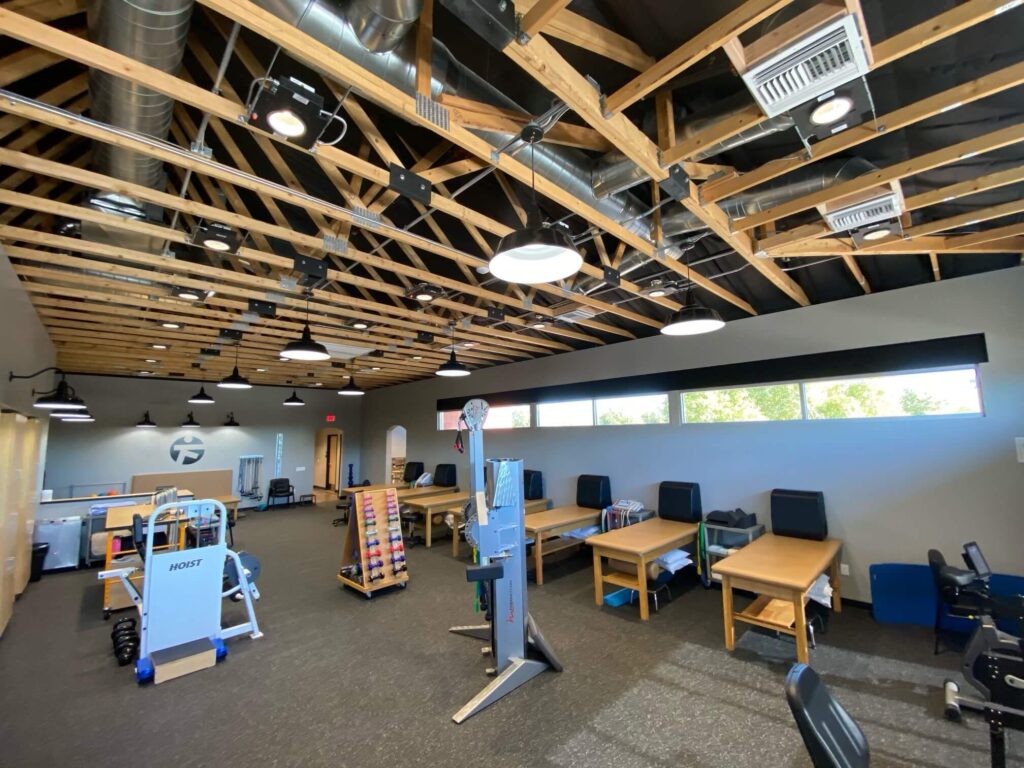
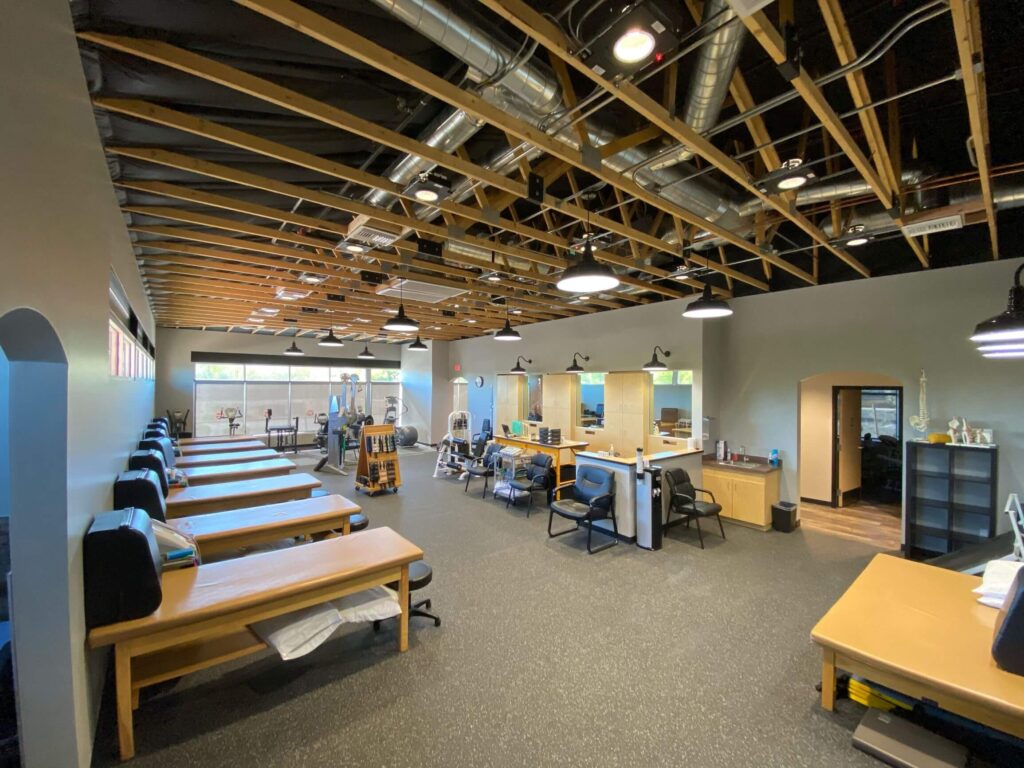
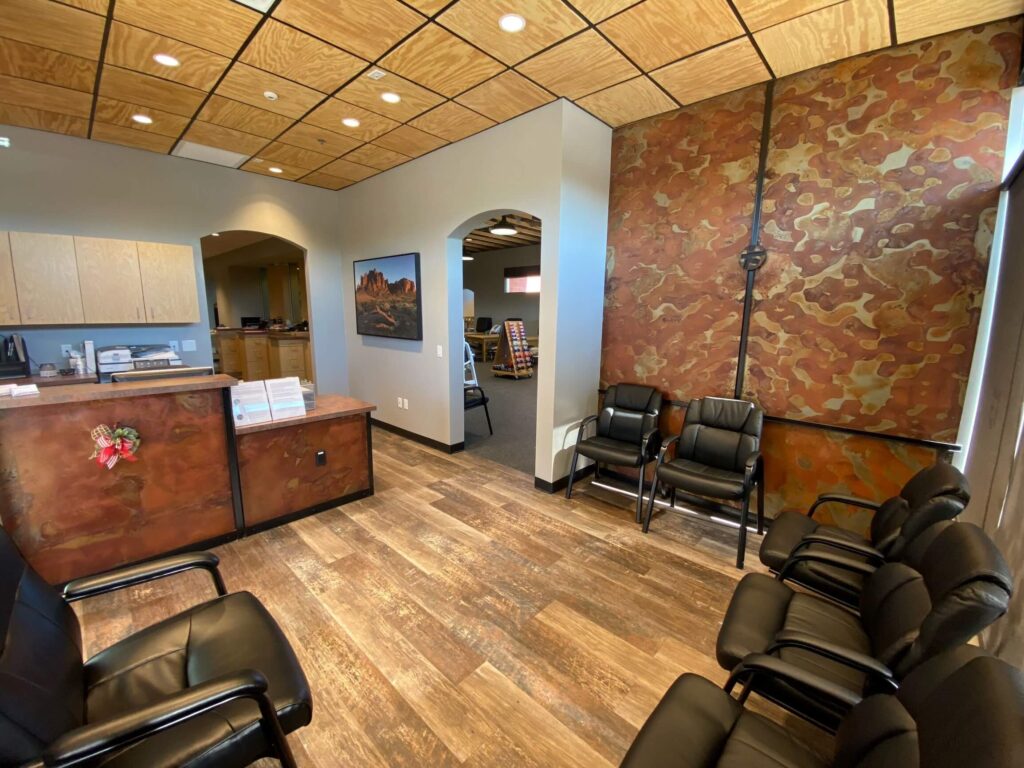
Our new location has plenty of space and a comfortable layout to help us best serve our patients.  Our top priority is always our patients and we are excited to welcome you to our new office.  We think you will be pleased with our new and improved space.


Our new gym.

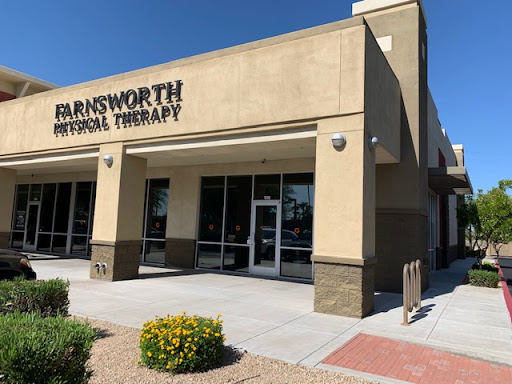
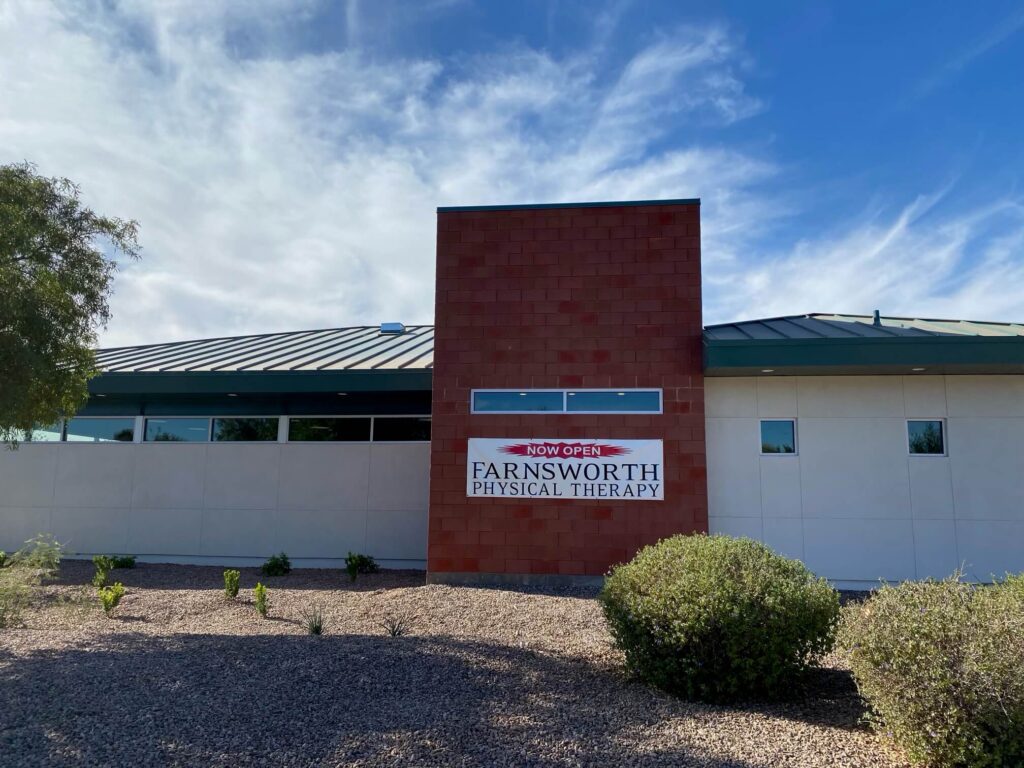
Our new office is a stand alone building.
We look forward to seeing you soon!

Filed Under: treatment, welcome

  • « Go to Previous Page
  • Page 1
  • Page 2
  • Page 3
  • Page 4
  • Page 5
  • Page 6
  • Interim pages omitted …
  • Page 12
  • Go to Next Page »

Primary Sidebar

Categories

  • back
  • desk job
  • fall risk
  • feet
  • health
  • home exercise
  • knee
  • knee pain
  • lateral epicondylitis
  • lifting
  • pain
  • piriformis syndrome
  • posture
  • sciatica
  • shoulder
  • sleep
  • treatment
  • Uncategorized
  • welcome

Recent Posts

  • Blood Flow Restriction Training
  • Pool’s Gold
  • Deep Vein Thrombosis
  • Plantar Plate Tear
  • I Have a (Shoulder) Hunch…

Footer Insurance

We accept most insurances!

See a list of our preferred providers.

Footer

Common Ailments & Injuries

50 years of experience has brought us a lot of patients, with a wide variety of problems. We have experience diagnosing and treating all types of injuries, but here are some of the most common:

  • Ankle and Foot
  • Back and Neck
  • Elbow
  • Hand and Wrist
  • Hip
  • Knee
  • Shoulder

What Our Patients Say:

We love working with people and always want our patients to feel like part of our family when they are here. Read what some of them have said about their experience with us.

Patient reviews


Sub Footer

Areas Served:

Mesa, Gilbert, Chandler, Phoenix, Queen Creek, Apache Junction, Tempe, Globe, Gold Canyon

Postal Address

Gilbert Office
730 N. Greenfield Rd.
Gilbert, AZ 85234

Phone: (480) 633-0666

Mesa Office
342 N Val Vista Dr. Suite 106
Mesa, AZ 85213

Phone: (480) 325-3310

FoptAZ.com

  • Home

© 2026 All Rights Reserved Farnsworth Orthopedic Physical Therapy