• Skip to primary navigation
  • Skip to main content
  • Skip to primary sidebar
  • Skip to footer
  • Mesa Office (480) 325-3310
  • Gilbert Office (480) 633-0666

Farnsworth Orthopedic Physical Therapy

Orthopedic Physical Therapy

  • Home
  • Reviews
  • FAQs
  • Contact us
  • Meet Our Therapists

Julie

Weightlifter’s Shoulder

August 15, 2020 by Julie

Weightlifter’s Shoulder is a term that describes painful wear and tear of one end of your collar bone. It’s an injury that happens due to overuse.  It causes small fractures that can be quite painful and effect your range of motion. In some instances, something called osteolysis or bone breakdown occurs.

It’s called Weightlifter’s Shoulder because weightlifters are commonly affected due to the repetitive motions and heavy weight put on the shoulder joint when lifting weights. However, they are not the only ones affected. Jackhammer operators, baseball and football players and even soldiers can develop this problem.
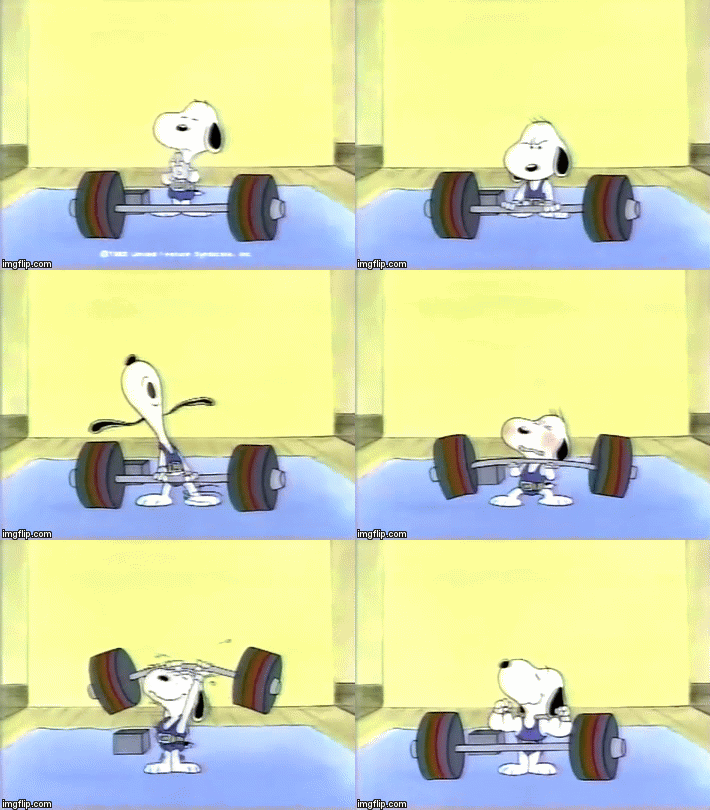
Symptoms

The symptoms of this condition include tenderness over the front of the shoulder. You may also have pain while doing bench presses or dips, or you may be unable to do a push up due to the pain.  If you’re experiencing these symptoms it is very important that you do not try and push through the pain.  This will only lead to further damage and a longer healing process.
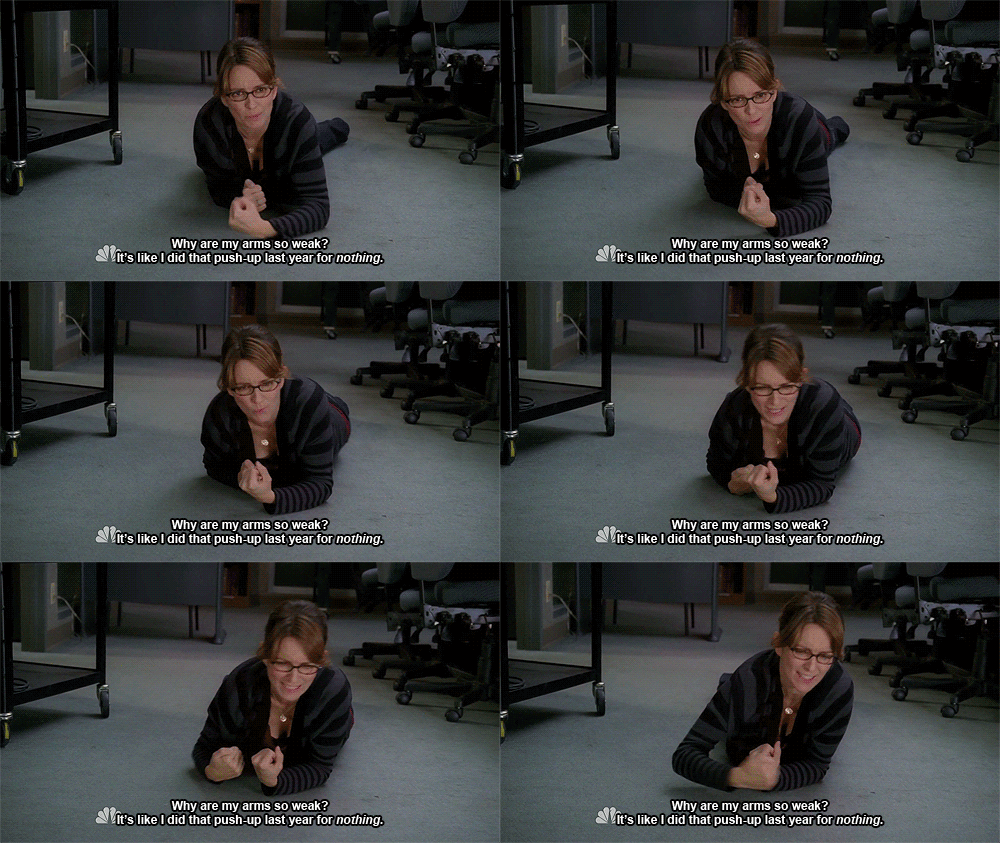
(Not being able to do a pushup due to lack of exercise is not a symptom.)

What Causes this Condition?

Repetitive stress from training and lifting can be a cause. For example, when your elbows drop below or behind your body during bench press, excessive traction on the AC (acromioclavicular) joint occurs. As a result, your shoulders extend too far.  If the bone does not have a chance to heal prior to your next workout, your shoulder can become painful and suffer from reduced strength and range of motion.

How to Treat It

Treatment for weightlifter’s shoulder usually starts with physical therapy and no surgery. This may include rest and changes in weight-training activities. You have to avoid over-training so that your joint can heal.  We can also help with suggesting modifications and design strength training for your condition.

(Rest is very important)

For those who don’t improve with therapy alone, or have a lot of damage to the shoulder joint, an arthroscopic surgery may be recommended. During the surgery, the surgeon removes portions of the damaged end of the collarbone in a procedure known as “distal clavicle excision”.  It is usually an outpatient procedure.  Most patients are able to return home the same day.

Physical Therapy is often recommended after surgery to improve strength and restore range of motion. Fortunately, most patients suffer no loss of function in the shoulder after surgery and are able to resume normal activities following rehabilitation.

Written by Travis Rohner PT
 

Filed Under: lifting, pain, shoulder, treatment

Complex Regional Pain Syndrome

August 2, 2020 by Julie

Complex Regional Pain Syndrome (CRPS) is a syndrome that affects the nervous system. It has been called by many names including, Reflex Sympathetic Dystrophy (RSD), Sudek’s atrophy and shoulder/hand syndrome. The condition is more prevalent in women, but can be present in all age groups and genders. The exact cause is unknown, although it usually associated with an injury or physical trauma such as a fracture, crush injury or surgery. CRPS also tends to show up in the extremities; but it can happen anywhere. Early treatment may improve the long-term outcome but doesn’t guarantee complete recovery.


CRPS can become functionally limiting both in terms of range of motion and strength. The constant pain associated with the syndrome can make work and activities of daily life very difficult and frustrating.


Signs and Symptoms


CRPS symptom progression has 3 stages. The first stage begins as burning pain, swelling, stiffness, excessive sensitivity, and increased sweating in the area. This stage can last from 1-3 months.


As CRPS progresses into the second stage, which may last for 3-6 months, the pain becomes more intense and the swelling increases and may spread out from the affected area. Hair growth in the area may decrease. In the hands or feet, nails may become brittle and cracked. On X-rays the bone may show loss of density. The muscles begin to atrophy or diminish in size.


Stage 3 begins any time after 6 months. The condition may be permanent and some of the muscle changes may become irreversible. The pain may progress to such intensity that it is incapacitating. Bone density continues to decrease. Range of motion continues to decrease as a result of avoiding motion due to pain.


Treatment


The goals of treatment are to decrease swelling and pain, maintain or improve range of motion, educate about the condition to reduce or eliminate frustration associated with it, and restore function.


Swelling can be decreased with cold compresses, contrast baths, compressive wrapping or massage. Massage, however, may be difficult because of the pain and sensitivity.


Decreasing the pain and sensitivity is done through several methods. Moist heat can sometimes help. Desensitization is another means. Desensitization can include the use of electrotherapy. Gradual acclimation is another way. It begins by touching the area lightly with a soft material such as tissue paper for several minutes at a time throughout the day. As the area of sensitivity decreases, the tissue is switched to a soft cloth with slightly more pressure. As the sensitivity decreases again, the material is changed to a rougher type and the pressure is increased.


Therapeutic exercise can be help to return strength, range of motion and function. Your health professional can show you the specifics of the rehabilitation program. Quite often the exercises involved with CRPS will include weight-bearing activities to help.


It is important to understand the psychological problems associated with this condition so you can cope with any emotional stress. Because of the constant nature of the pain associated with CRPS, counseling may help. Your health professional can refer you to the proper source.


The use of all the treatment methods as stated above may help to break the pain cycle, decrease pain and improve overall function. It is important for you to maintain independence in the activities of the day, both in work and leisure activity.

Written by Clint Bunker PT


Filed Under: pain, treatment

Concussion? We Can Help.

July 12, 2020 by Julie

Concussion

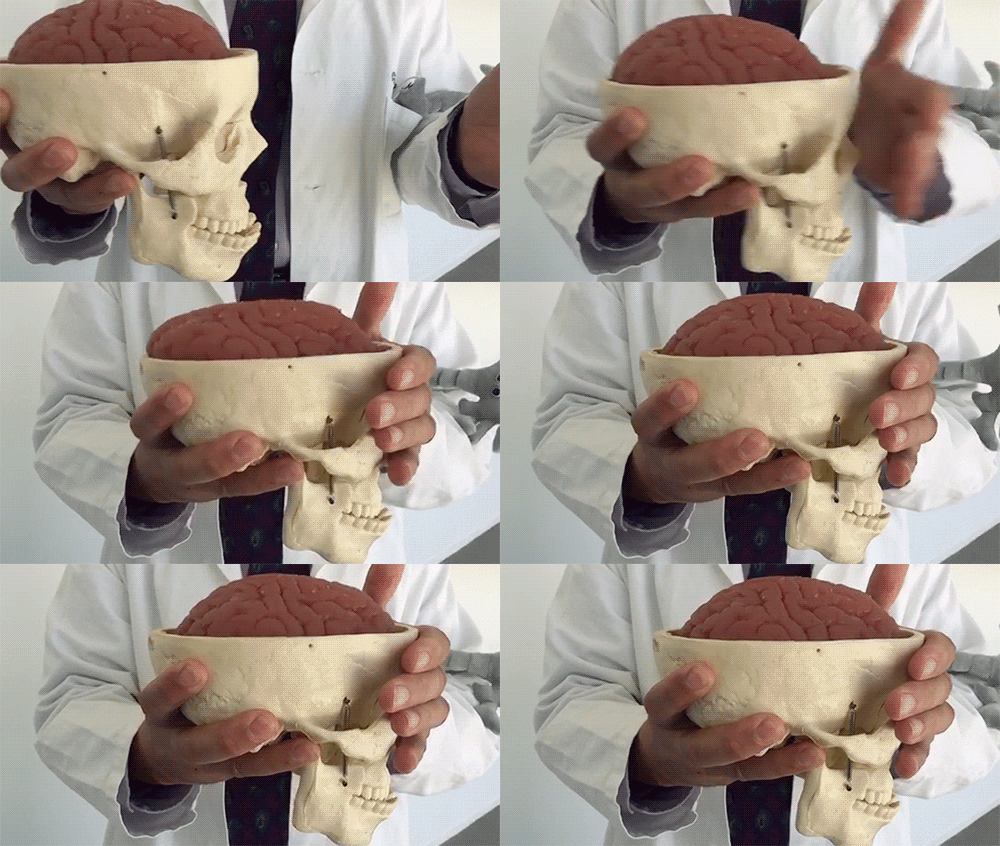
A concussion is defined as rapid acceleration and deceleration of the brain tissue within the skull. This type of injury occurs most often in a car accident or sports related injury. A concussion  is estimated by the CDC to happen over 3.8 million times per year. Unlike many issues, this injury can be difficult to manage and treat on your own since it is an injury that you can often not see.

What are the Symptoms?

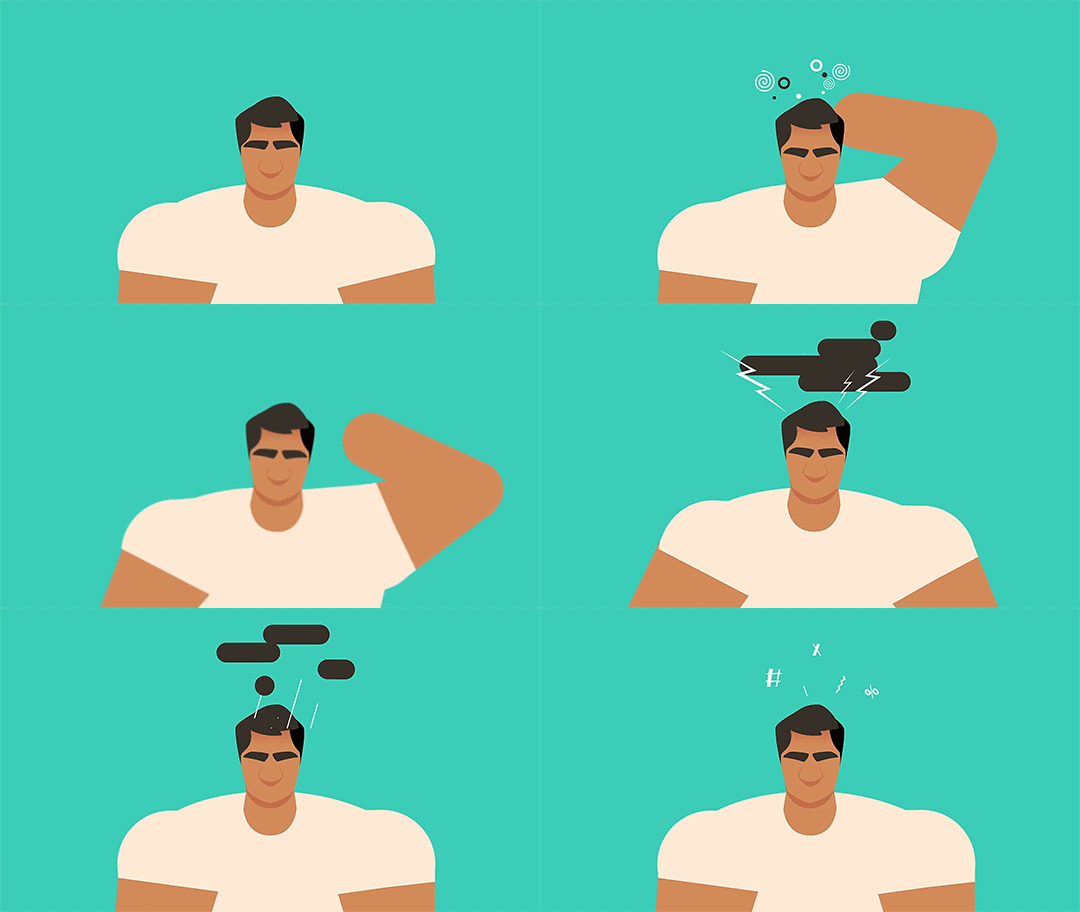
Common symptoms following concussions can include dizziness, headaches, light and noise sensitivity, vision changes, difficulty with focusing on tasks, and difficulty thinking. Another common symptom following a concussion is difficulty in sleeping.This is related to the trauma and your brain working harder than it normally does for routine tasks.

Treatment

Immediately following this injury, rest for the body and brain is effective. If symptoms persist longer, physical therapy intervention can be extremely effective. The treatment includes balance testing and progression, memory recall, vestibular rehabilitation, and cervical spine treatment. The goal is to restore normal mobility and decrease headaches present caused by tension in the surrounding tissues. Treatment techniques are slow and progressive in nature. We start out with low demand on the body, both physically and mentally.

The goals of concussion treatments include allowing the patient to return to full activity performance, whether that be playing sports or returning to a full work shift. Ultimately, your individual brain’s reaction to treatment will determine how quickly you will progress.

As with most efficient therapeutic experiences, communication between the therapist and referring physician is crucial.  This is true for returning to sports or to work activity. Making sure the patient is progressing at the right pace, not too fast or slow, is important. The doctor can help with these progressions based on imaging results following an injury. If you feel that you are suffering from concussion-like symptoms, or have recently had a head injury, please feel free to contact our office for consultation.

Written by Casey Badder PT

Filed Under: health, pain, treatment

Exercise, Your Body Will Thank You

June 30, 2020 by Julie

A Changing World

There is a lot of change happening in the world right now. The global outbreak of COVID-19 is at the forefront of all our minds. We are all trying to decide how to keep ourselves and our family as safe as possible. There are many regulations that have recently been put in place including the mandate to wear masks in public. We have seen that this horrible disease often attacks our most vulnerable populations, most notably the elderly. It has also been noted, there are other risk factors which can exacerbate these cases, which have everything to do with a person’s individual health. Obesity and diabetes have been noted as two major risk factors. Although there is nothing we can do to stay 100% safe short of complete isolation, exercise can have excellent benefits on our immune system. As a physical therapist, I have always thought of exercise as a “Fountain of Youth”. It also can be a huge boost for our immune system.

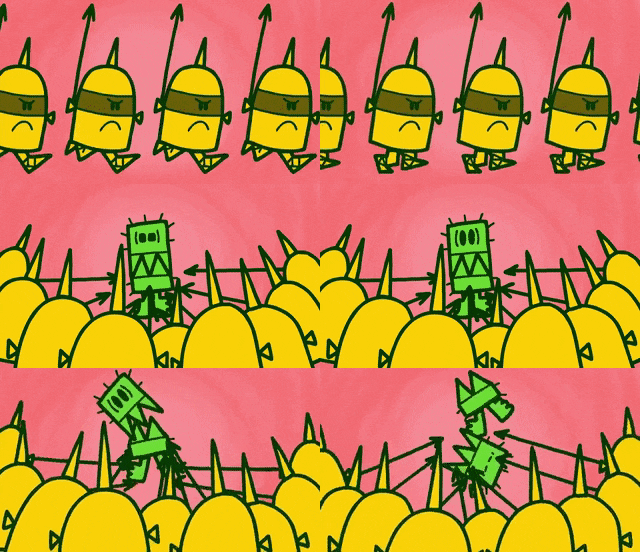
(Actual images of the immune system at work.)

Risks and Benefits

We have known for a long time the benefits of regular exercise on cardiovascular health. In fact, we call running biking, and sustained activities by the name, “cardio.” A quick internet search will show many great benefits for moderate aerobic activity. Even with something as a simple as a walk you can boost your immune system. With each brisk walk or any other workout with moderate intensity, your natural antibodies are increased as well as anti-inflammatory factors which can help your body fight all germs and other invading bacteria.

You don’t have to go on an hour-long run in order to feel these benefits. In fact, exercising too hard for too long can actually increase stress hormones and reduce any benefit for your system. Research says that moderate exercise under 60 minutes is the best. What is moderate activity? Basically, anything that gets you breathing hard, but where you’re still able to talk to a friend (obviously from 6 feet away.)

Where to Start?

What can you do if you want this immune system increase if you are not already active? Do you have to worry about injury? The answer to that second question is unquestionably yes. Any sudden increase in your activity level can seriously increase your risk for soft tissue injury. And soft tissue injuries can make you get to know people like me way better than you want.

The best advice is just to start moving a little more than you already are. Go for a walk. Go for a short bike ride, wake up early and play a short round of golf. Have fun with it and get creative. There are several different workout routines of all different intensities which are readily available online or on YouTube. Several different individuals and companies are offering workouts on such web services like Zoom or even social media outlets like Facebook and Instagram. There are countless ways to learn to safely be a little more active.

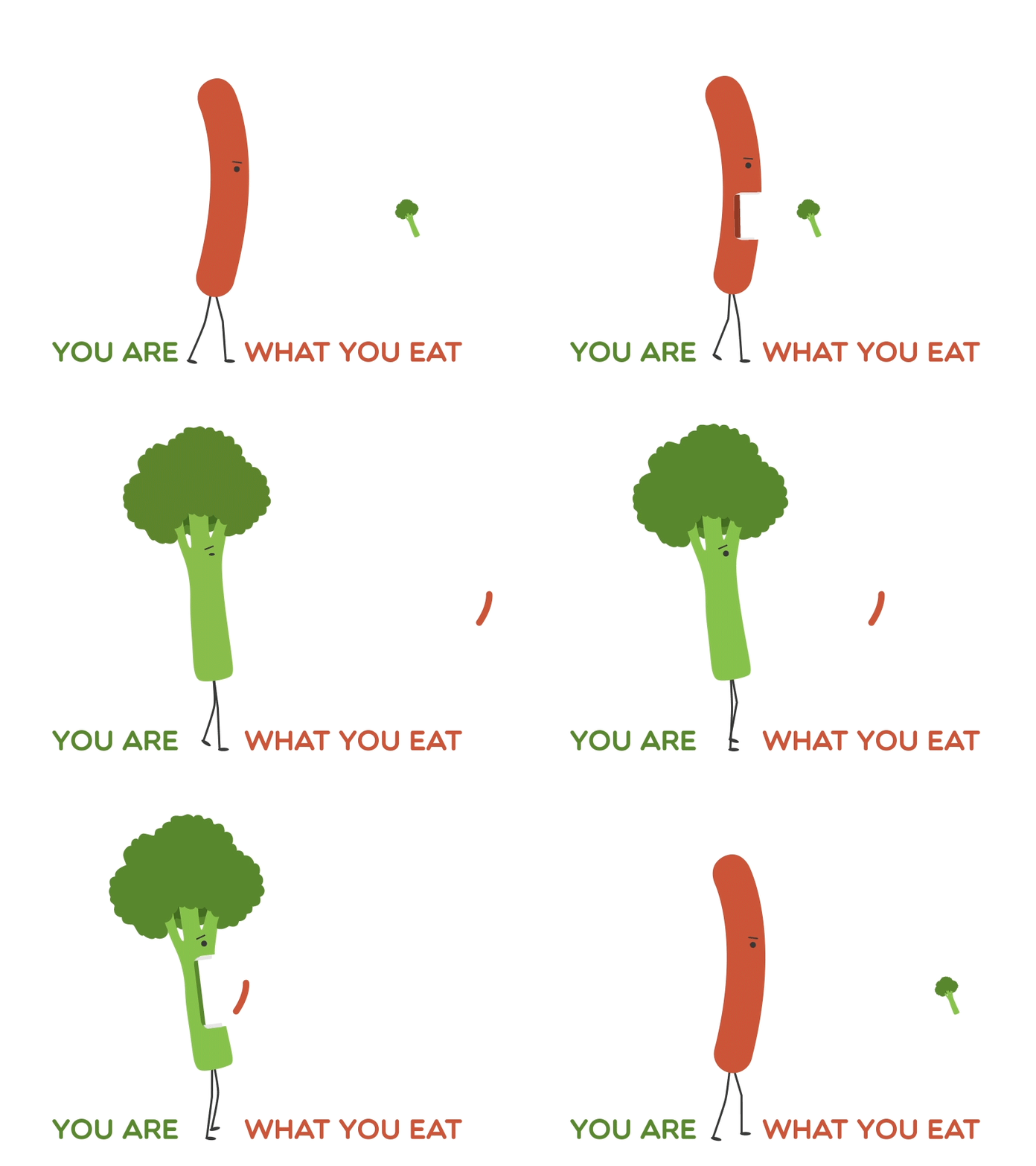
You Are What You Eat

Lastly, don’t forget the importance of developing good nutritional habits as well. It is well documented that a key to good health is a healthy diet. Get plenty of vegetables and lean proteins. If you are like me, vegetables are difficult to eat. One thing that helped me was purchasing an air fryer. I have found many different recipes to air fry vegetables in order to make them more palatable.  So remember, exercise and a healthy diet are great ways to give your immune system a much needed boost. Your body will thank you.

Written by Rod Walker PT

Filed Under: health, home exercise

Head, Shoulders, Geeze My Phone!

June 17, 2020 by Julie

Is your phone killing your back and neck?

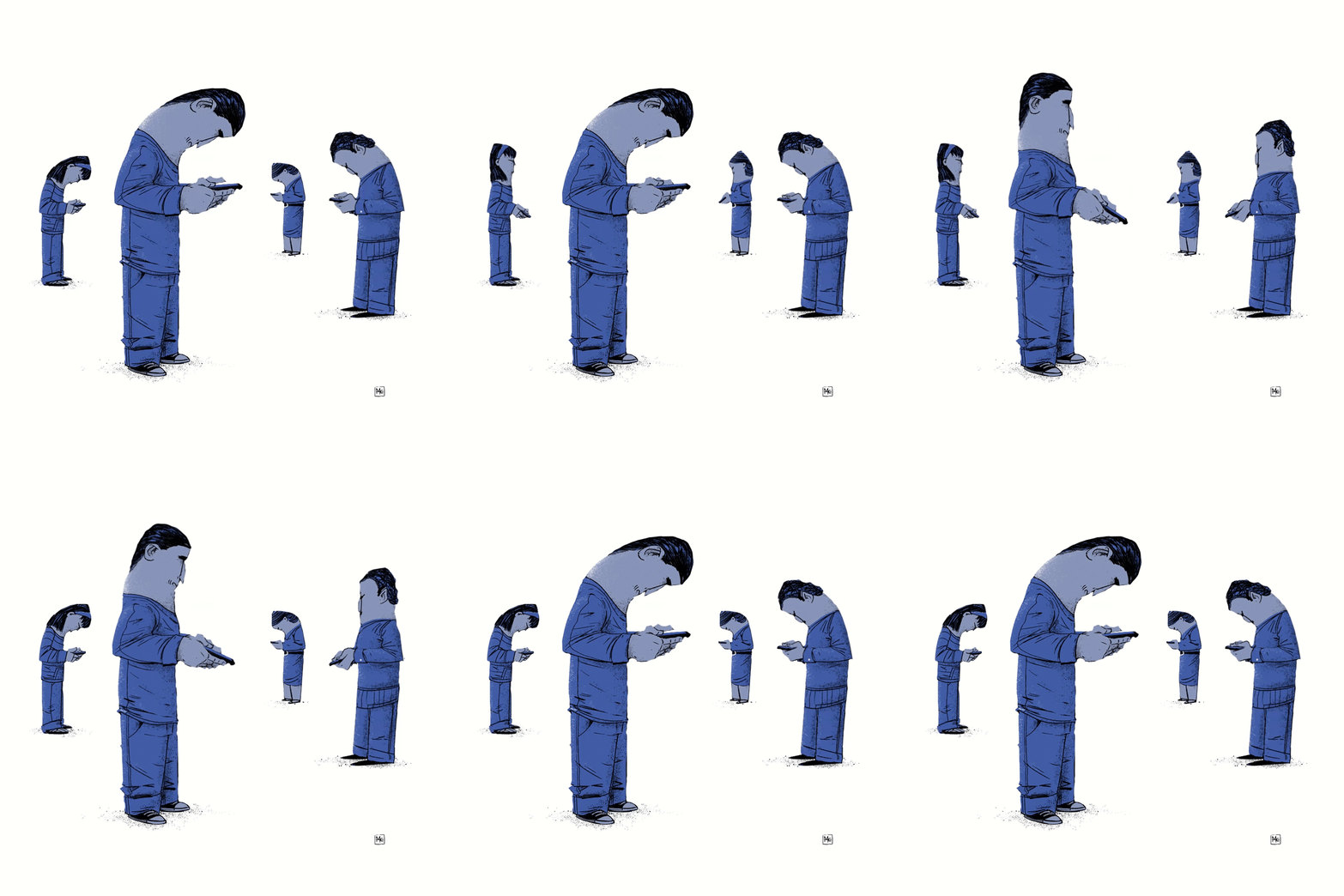
Are you reading this on your phone right now? If so, you might be doing the “smartphone slouch”. You’re tilting your head forward and downward to hunch over your phone.  You may not know this, but the human head weighs somewhere around 10 to 12 pounds.  But when you tilt your head forward it can cause strain on your back, neck and shoulders that is equal to you having a much heavier head.  How much heavier? Well at 15 degrees of forward tilt it equates to your head weighing 27 pounds. At 30 degrees forward, the strain on your neck equals a 40 pound head.  A 60 degree tilt is the same as if you had a 60 pound head!  That is some serious strain!

No one wants a head that big.


As you tilt your head, you also move your shoulders forward into a rounded position, which is another aspect of poor posture. All this excess strain creates extra wear and tear on the structures of your neck, upper spine and back.  The average person is on a computer or smart device between 2-4 hours every day.  That’s a lot of potential pain and strain.

What Can I do?

So how do you get your work done and use your phone and save your back and neck?  First, if you have to do extended work, don’t do it on your phone.  It’s much better if you do long tasks on a desktop computer.  If you have to do it on a laptop, make sure you’re positioned where you can have good posture.  Then, when you do have to use your phone, don’t hunch over it.  Instead, lift your phone up higher rather than tilting your head and rounding your shoulders forward.


Being aware of your posture is a great first step to relieving the pain of living life in the age of the smart phone.  But it’s almost inevitable that you’re going to have some pain and strain from time to time.  Here are a couple of things you can do to bring some much-needed relief to your upper back and neck.

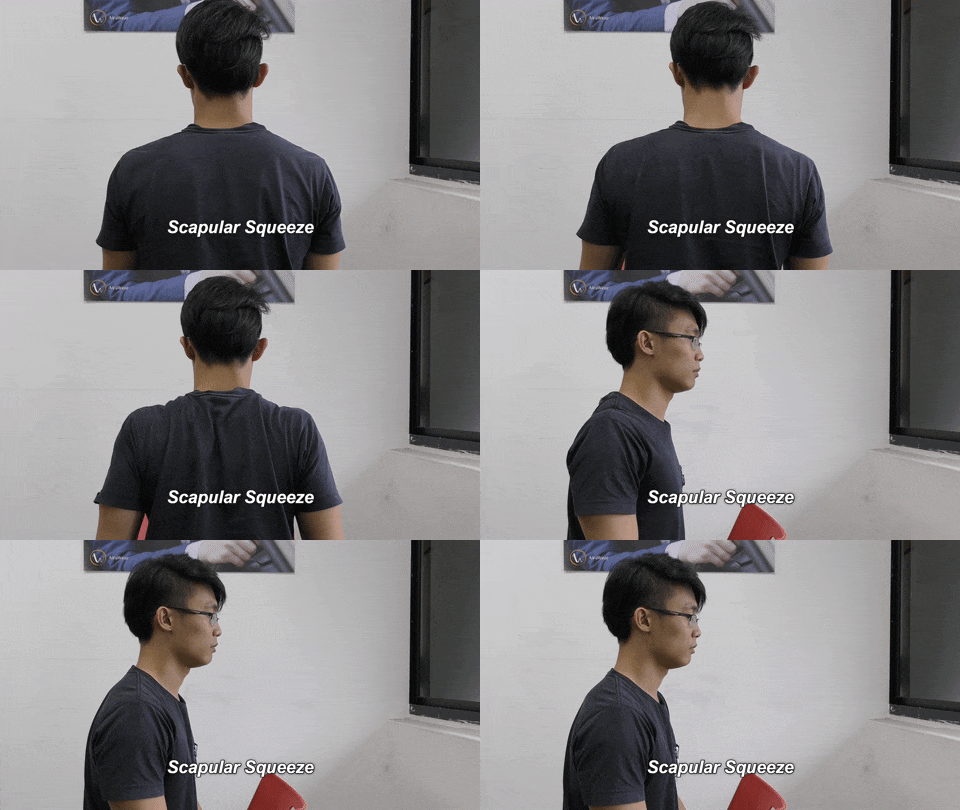
First is the scap squeeze. It gets its name from your scapula, also known as your shoulder blades.  The goal is to squeeze your shoulder blades together.  Sit or stand up tall with your arms at your sides.  Keep your shoulders relaxed and down, not shrugged. Squeeze your shoulder blades together. Hold for 6 seconds, then relax.


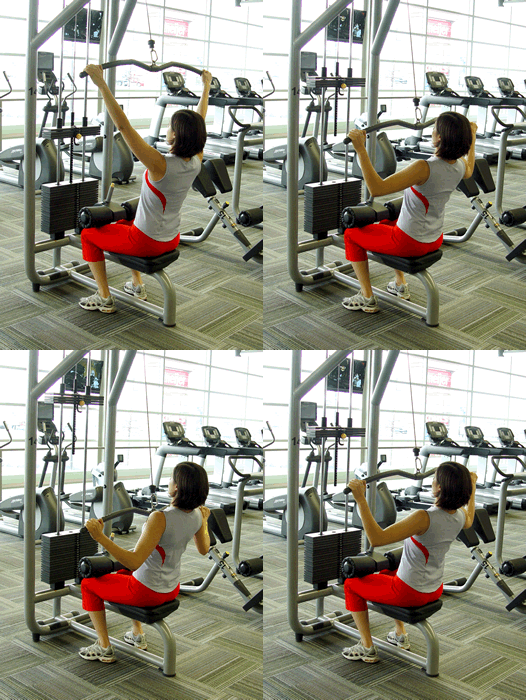
Second, a lat pull down can help correct your posture and strengthen the muscles that will keep you from straining.  On a lat pulldown machine you’ll want to grab the bar with your hands shoulder width apart and be sure to pull the bar down to your chest and not behind your head.  You can see here and example of proper technique.  The goal isn’t to do this exercise with the most weight possible, but to get good steady repetitions in that will engage the muscles that help your posture.


Staying mindful of your posture, along with these simple stretches and exercises will help you beat the smartphone slouch.

Written by Tom Farnsworth PT


Filed Under: back, desk job, health, home exercise, pain, posture, shoulder

If You’re Snappy and You Know It

May 31, 2020 by Julie

Snapping Hip Syndrome

This syndrome gets its name from the snapping sound made in the hips from those who suffer from it.  It also gets called Dancer’s hip, since it’s a common issue experienced by dancers and certain athletes.  It is usually caused by the tendons of the iliotibial band and gluteus maximus snapping over the greater trochanter of the femur. But unless you’ve been taking some serious anatomy classes, that likely means nothing to you. Basically, things get too tight in your hips and some parts slide over other parts making a snapping sound.

(The bend and snap move can be a cause of snapping hip syndrome)

Whose Hips are Snapping?

Snapping hip affects approximately 5% to 10% of the population. The majority of patients experiencing painless snapping. It is slightly more common in women than in men. People typically affected include those who do repetitive extreme hip motions, including ballet dancers, weight lifters, soccer players, and runners.  It can be painless sometimes, other times there can be pain involved.  Either way it’s a troubling experience.  But if you are experiencing a snapping hip, there is hope!

Treatment

Snapping Hip is something we can treat in our offices.  One major part of solving your snapping hip woes will be stretching.  Here are a couple of stretches you can do on your own.


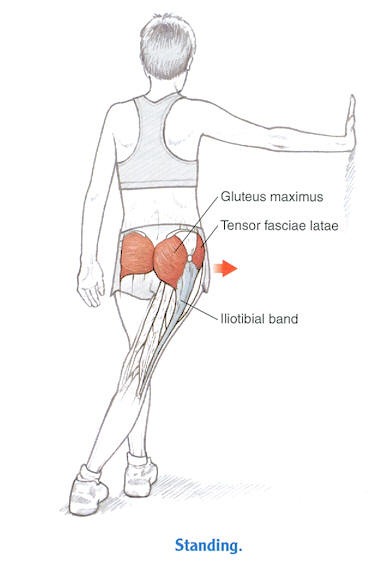
First, the ITB stretch:

  • Stand next to a wall for support
  • Cross the leg closest to the wall behind your other leg
  • Move your hip toward the wall – you should feel a stretch at the outside of your hip. Hold for 30 seconds.
  • Repeat on the other side.

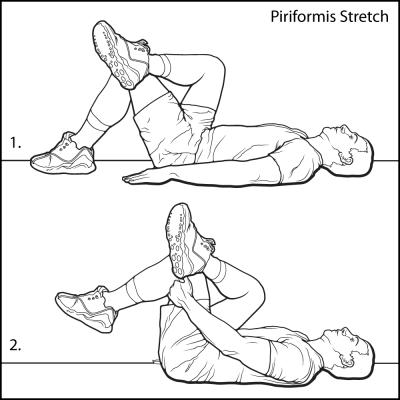
Next, the Piriformis stretch:


  • Lie on your back and cross the foot of the affected hip over the opposite knee.
  • Clasp your hands behind your thigh.
  • Pull your thigh toward you until you feel the stretch in your hip and buttocks. Hold for 30 seconds.
  • Repeat on the opposite side.

If you’ve got a hip that won’t stop snapping, come see us in one of our offices.  We can stretch you out and set up with a plan of care that will stop the snap.

Written by Travis Rohner, PT

Filed Under: Uncategorized

  • « Go to Previous Page
  • Page 1
  • Interim pages omitted …
  • Page 4
  • Page 5
  • Page 6
  • Page 7
  • Page 8
  • Interim pages omitted …
  • Page 12
  • Go to Next Page »

Primary Sidebar

Categories

  • back
  • desk job
  • fall risk
  • feet
  • health
  • home exercise
  • knee
  • knee pain
  • lateral epicondylitis
  • lifting
  • pain
  • piriformis syndrome
  • posture
  • sciatica
  • shoulder
  • sleep
  • treatment
  • Uncategorized
  • welcome

Recent Posts

  • Blood Flow Restriction Training
  • Pool’s Gold
  • Deep Vein Thrombosis
  • Plantar Plate Tear
  • I Have a (Shoulder) Hunch…

Footer Insurance

We accept most insurances!

See a list of our preferred providers.

Footer

Common Ailments & Injuries

50 years of experience has brought us a lot of patients, with a wide variety of problems. We have experience diagnosing and treating all types of injuries, but here are some of the most common:

  • Ankle and Foot
  • Back and Neck
  • Elbow
  • Hand and Wrist
  • Hip
  • Knee
  • Shoulder

What Our Patients Say:

We love working with people and always want our patients to feel like part of our family when they are here. Read what some of them have said about their experience with us.

Patient reviews


Sub Footer

Areas Served:

Mesa, Gilbert, Chandler, Phoenix, Queen Creek, Apache Junction, Tempe, Globe, Gold Canyon

Postal Address

Gilbert Office
730 N. Greenfield Rd.
Gilbert, AZ 85234

Phone: (480) 633-0666

Mesa Office
342 N Val Vista Dr. Suite 106
Mesa, AZ 85213

Phone: (480) 325-3310

FoptAZ.com

  • Home

© 2026 All Rights Reserved Farnsworth Orthopedic Physical Therapy