• Skip to primary navigation
  • Skip to main content
  • Skip to primary sidebar
  • Skip to footer
  • Mesa Office (480) 325-3310
  • Gilbert Office (480) 633-0666

Farnsworth Orthopedic Physical Therapy

Orthopedic Physical Therapy

  • Home
  • Reviews
  • FAQs
  • Contact us
  • Meet Our Therapists

pain

Happiness is A Warm Theragun

December 26, 2019 by Julie

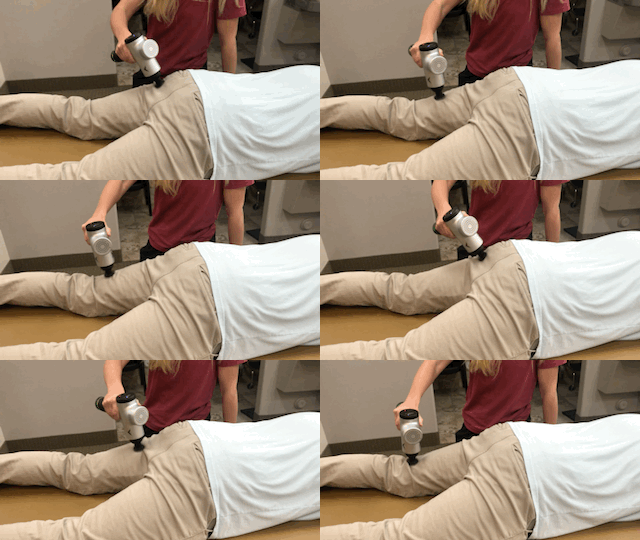
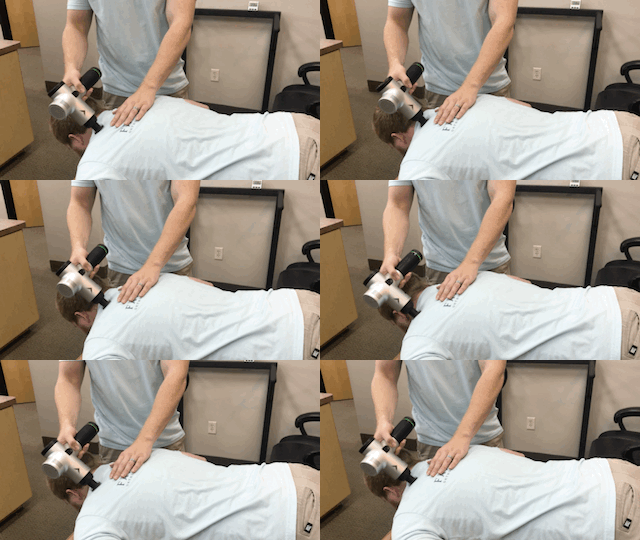
One of the “weapons” that our therapists have in their arsenal is the Theragun. Shaped like an electric drill, the Theragun is a tool that takes aim at muscle tension, zaps knots, and blasts through scar tissue. At the tip of the Theragun is one of several specialized heads that target your muscles with strong percussion. There are small tips that pinpoint trigger spots, and broad tips for larger areas like your back.

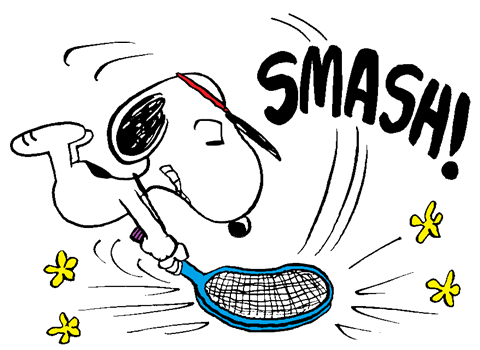
Wherever you’ve got pain, the Theragun delivers powerful percussion to relax your muscles and increase blood flow to the area. The vibrations stimulate your nerves enough that they stop sending signals for pain. Translation? You don’t hurt so much. If you smash your finger, you may immediately shake your hand around, stimulating your hand in a way that isn’t painful in hopes that you feel the shaking instead of the awful pain of a smashed finger. Likewise, when you have muscle pain, the Theragun is there to shake things up and get your nerves busy sending signals for something other than pain.

Additionally, your muscles have a casing around them called myofascial tissue. Sometimes this tissue can get tight and inflexible, kinked, or overlapped onto itself. This can lead to widespread muscle pain. Loosening this tissue and making it flexible again can increase flexibility and relieve pain. This release is an important part of recovery. The Theragun is a useful tool to work on trigger points that create myofascial release.

Lastly, it just feels nice and relaxing. Who wouldn’t want some percussive vibrations on their sore muscles? There may be some of us who might not. A Theragun is not the right tool for those who have injuries that are too recent. It also may not be the right option for patients who have certain conditions above the shoulders or who have had certain operations. Getting evaluated by a licensed therapist will help you to know if this therapy is right for you. If it is, you will soon be on your way to a more relaxed, flexible, and pain free you.

Post Written By: Tom Farnsworth, PT
Filed Under: pain, treatment Tagged With: low back pain, neck pain, PAIN, theragun, treatment

The Bee’s Knees

December 17, 2019 by Julie

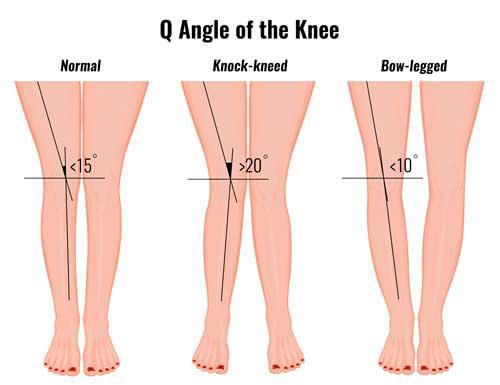
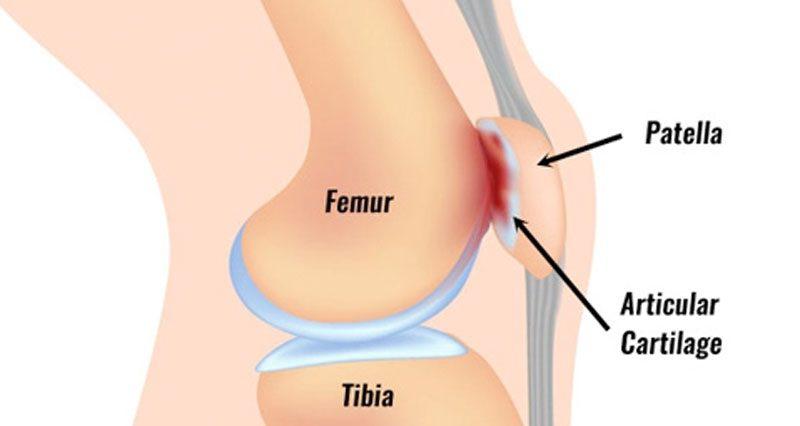
Patella Femoral Dysfunction (PFD) is a condition that affects the knee, resulting in pain in the front part of one or both knees. It may be caused from a mechanical difficulty in the knee itself, or from improper formation of the bone in the hip area. High or flattened foot arches can also contribute to this issue. Improper alignments of the hips, knees, or feet can place excessive forces on the kneecap. As the kneecap moves across the end of the leg bone (or femur) the surfaces become irritated and painful.

Most commonly found in young women and adolescent females, PFD is a condition that can affect anyone. A softening of the cartilage on the back side of the kneecap, or imbalances in the muscles that control the movement of the kneecap may also cause PFD. Improper force can be placed on the kneecap and femur if outside portions of the quadriceps muscles are stronger than the inside portions. Symptoms usually include pain with kneeling, walking, running, or climbing up or down stairs. Patients usually describe their pain as “aching” and “deep”. One can also experience tenderness and swelling around the knee area. When bending or straightening the knee, you may feel a creaking or crunching in the area.

Rehabilitation first begins with controlling the pain and symptoms such as swelling. Icing the knee will help control swelling and pain. You an read more about icing here. Electrical stimulation treatments may also help ease the pain. As much as you can, try to avoid activities that increase your pain. For instance, try taking an elevator instead of using the stairs. Painful activities may need to be modified but will be resumed gradually during the course of treatment. In some cases, a knee brace is issued to help control the movement of the kneecap and decrease irritation.

In most cases, strengthening or stretching exercises will help correct muscle imbalances. Be careful, as too much resistance during exercises can sometimes make the problem worse. Everyone reacts to exercise resistances differently. Because of this, it’s important to communicate any pain increases  to your health professional during the course of treatment so modifications can be made. Another intervention may be a detailed foot evaluation, and correction of any problems found in this area, including orthotics. Orthotics are custom-made shoe inserts that help correct improper foot mechanics directed to the knee.

It’s important to remain optimistic and patient while treating patellofemoral issues. PFD symptoms can flare up very easily. Another responsibility you have is to be very consistent with your treatment visits and home program so the knee can gradually adapt and heal. The condition can be difficult to remedy, but in most cases relief and return to your activities can be achieved.

Post written by: Travis Rohner, PT

Filed Under: knee, pain Tagged With: knee pain, patellofemoral, treatment

Piriformis Syndrome

November 11, 2019 by Julie

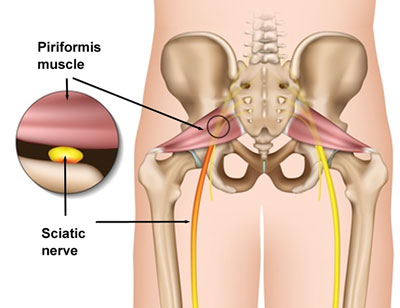
The Piriformis muscle is located in the buttocks area, underneath the gluteus maximus. It’s one of the muscles that helps rotate the thigh bone outward, like you do when you cross your ankle over your knee. The muscle runs from the tail bone and attaches at the hip bone.The sciatic nerve is a major nerve that begins in the low-back area and travels down the back of the thigh and continues down, branching off in the lower leg and foot. The sciatic nerve usually runs directly through the Piriformis muscle, although it may lie above or under the Piriformis.

The cause of Piriformis Syndrome is not entirely clear and may be a result of several different things. It is often associated with sacroiliac (SI) problems. Trauma, such as falling on the buttocks may incite the symptoms. Extended sitting can be a factor, as in the case of professional drivers or office workers. Other problems, such as hip bursitis, back strains, or gluteal tendonitis may bring on the condition.

Symptoms include pain and tenderness in the buttocks area. The problem may be on one or both sides. Sitting is often uncomfortable. Walking, running, and climbing or descending stairs is often painful. In some cases radiating pain may shoot down the back of the thigh and into the lower leg because of irritation to the sciatic nerve.

There are many treatment options for Piriformis Syndrome. Moist heat can help relieve and control pain. Ultrasound may be beneficial since it is a method of deep heating. Certain therapeutic exercises may greatly help to recondition the muscle. There are several stretches for the muscle that can help relieve the tightness. Avoidance of irritating factors is crucial. Manual techniques such as soft tissue mobilization are often helpful. In severe cases, anti-inflammatory injections may be needed.

With proper treatment and follow through, this condition can be resolved. In some cases it will resolve quickly, while in others it may be a lengthy rehabilitation. For more information consult your physical therapist.

Post written by Travis Rohner, DPT

Filed Under: desk job, pain, piriformis syndrome, sciatica, treatment Tagged With: back pain, leg pain, piriformis, sciatica

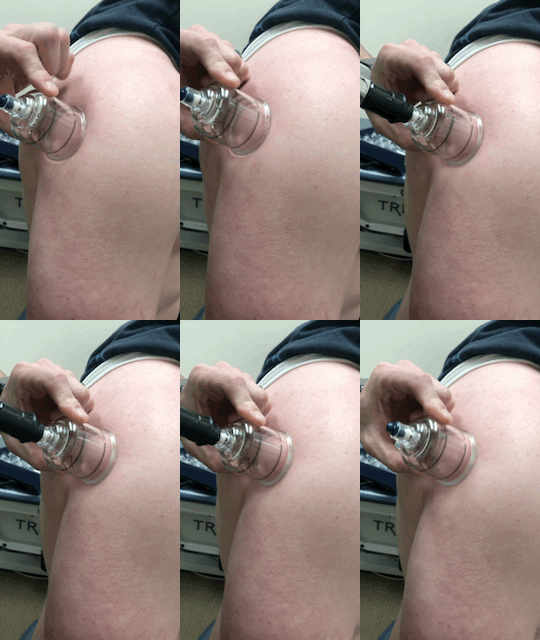
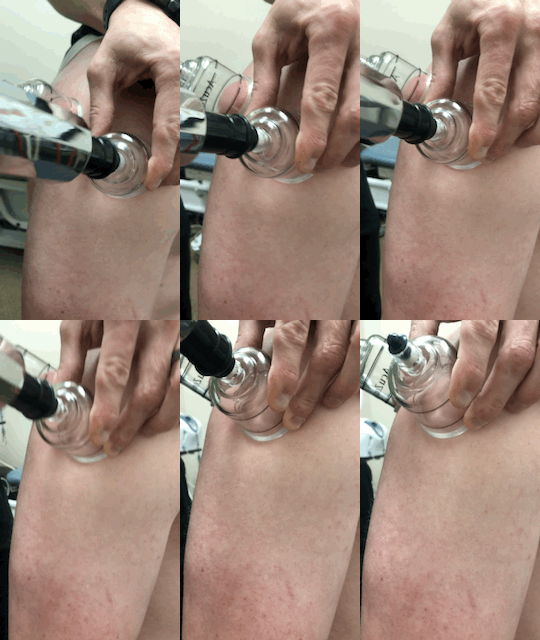
Cup, Cup, and Away!

October 28, 2019 by Julie

Back in the summer of 2016, Michael Phelps was ending his decorated career as an Olympic swimmer. He won more gold medals at the Rio de Janeiro Olympics than 66 other countries participating that year. Despite his amazing accomplishment, all people wanted to talk about were the purple dots on his back. Did he have a fancy new tattoo? Or perhaps leprosy? Maybe he got in an argument with a vacuum cleaner? As it turned out, the purple dots on Michael’s skin were the result of an ancient Chinese healing practice called cupping.

Known in the medical field as myofascial decompression, cupping actually began as early as 400 BC in Greece. The Chinese made the technique more common, using cupping to treat internal disease, structural issues, and certain illnesses. They heated up glass cups with a flame and placed them over the body, causing fluid to rise toward the surface of the skin.


While some therapists still use fire, nowadays it is more common to use an air pump device to create suction. This device uses suction to pull the skin up, causing the decompression effect. After just a few minutes, the capillaries beneath the surface begin to rupture, potentially creating a circular bruise. Sort of like a medically induced hickey, for lack of a better term. Reduced soreness and a quicker healing process are just two of the benefits of this process. Because of this, all varieties and ages can benefit from cupping, including athletes, geriatrics, and everyone in between. Please call our office with any questions you may have about cupping and we will be happy to assist you,

Post written by: Casey Badder, DPT

Filed Under: pain, treatment, Uncategorized Tagged With: cupping, injury, treatment

But I Don’t Even Play Tennis…

October 21, 2019 by Julie

Aches and pains are a common problem in life, regardless of our activity level. In fact, most of us can point out something that is bothering us right this very second. Pain caused by repetitive stress is more common than that caused by a traumatic injury. Repetitive stress can occur in a lot of places on the body. Because we use our hands a lot during the day, especially in our work lives, it can cause discomfort in the elbow. Whether you have a desk job in an office, or if you’re an electrician, or a hair stylist. Our hands are very important and are essential to completing every day tasks.

Most of the muscles in our wrist, fingers, and forearm originate on the lateral aspect of our elbow. The everyday trials of life can often cause overuse of these muscles, causing us to feel pain. This is called Lateral Epicondylitis, but the more common term is “Tennis Elbow”. Tendons are at the ends of our muscles, attaching them to the bone. Despite the name, you don’t have to be a tennis player to have this problem. Anybody who uses their arms, especially their dominant arm, can be at risk. This condition usually causes pain when you grip or carry items, or rotate your wrist and forearm. Because this is typically an overuse injury, these muscles can weaken, which causes pain and makes it difficult to perform everyday tasks.

That feeling when you realize your elbow pain isn’t going to get better on its own.

 One of the problems with this type of injury is that people tend to just grin and bear it until they can’t stand it anymore. Rather than seeking treatment, they reduce the pain with Advil. This is not a bad idea, but there are many additional ways to address the issue. Modalities like ice are good to reduce pain due to the anti-inflammatory properties they provide. Braces called Chopat Straps help to reduce daily pain with activity. Correct application of stretching is extremely helpful. To improve strength in the elbow, exercises can be performed. Posture and correct form are also very important. Another thing that can be extremely helpful is a treatment called ASTYM. This treatment is performed by a skilled physical therapist to help heal and remodel the soft tissue.

Regardless of what the underlying specific causes are, I recommend talking to a physical therapist. They can evaluate your symptoms and help you address them by setting up a plan of care that is specific to your injury. If you would like additional information, we would love to assist you and get you feeling better!

Post written by: Rod Walker, DPT

Filed Under: desk job, lateral epicondylitis, pain, treatment Tagged With: astym, elbow pain, hand pain, tennis elbow

Ice, Ice, Baby

October 14, 2019 by Julie

Unlike the characters in The Year Without a Santa Claus, heat and ice can work together to help you heal quicker.

Heating and Icing are important tools in your recovery.  They can reduce pain and inflammation and help your body to heal.  Icing and heating are mild, drug-free treatments that will likely be a part of your treatment.  Applying ice helps to calm down damaged tissues, lower your pain level, and reduce swelling.  Using heat relaxes muscles, reduces stress, and relieves stiffness.

Though heat and ice are a part of the treatment you receive in the office, they are also tools you can use at home. Injuries typically hurt most in the morning when your body is stiff. Because of this, we recommend heating the injury right when you wake up. If you don’t have a heating pad at home, don’t worry! You can heat the affected area by taking a warm shower. It is important to ice your injury whenever you have pain or swelling. These are typically symptoms that occur at the end of the day. Try icing your injury for ten minutes after dinner while you watch your favorite tv show. If you don’t have an ice pack, you can fill a plastic bag with ice cubes.

Sometimes it is tempting to leave the heat or ice on for extended periods of time. Be careful of this, as too much can sometimes be a bad thing. We recommend using heat and ice for ten minutes at a time. If needed, you may do this once every hour.  It is important to remember to put a buffer between your skin and the ice pack. Try wrapping the ice pack in a pillowcase, t-shirt, or towel to avoid an ice burn. Likewise, if using a heating pad, there should also be some material between the pad and your skin to avoid burning.

Do you know when to ice your injury and when to use heat? Should you use both?  Generally, ice is used to treat injuries, especially a recent injury, while heat is used for chronic pain and tension, but there are exceptions!  Your therapist will evaluate your injury or ailment to discern whether you need icing, heating, or a combination of both.

Post written by: Tom Farnsworth, PT

Filed Under: pain, treatment Tagged With: heat, ice, injury, treatment

  • « Go to Previous Page
  • Page 1
  • Interim pages omitted …
  • Page 4
  • Page 5
  • Page 6
  • Page 7
  • Go to Next Page »

Primary Sidebar

Categories

  • back
  • desk job
  • fall risk
  • feet
  • health
  • home exercise
  • knee
  • knee pain
  • lateral epicondylitis
  • lifting
  • pain
  • piriformis syndrome
  • posture
  • sciatica
  • shoulder
  • sleep
  • treatment
  • Uncategorized
  • welcome

Recent Posts

  • Blood Flow Restriction Training
  • Pool’s Gold
  • Deep Vein Thrombosis
  • Plantar Plate Tear
  • I Have a (Shoulder) Hunch…

Footer Insurance

We accept most insurances!

See a list of our preferred providers.

Footer

Common Ailments & Injuries

50 years of experience has brought us a lot of patients, with a wide variety of problems. We have experience diagnosing and treating all types of injuries, but here are some of the most common:

  • Ankle and Foot
  • Back and Neck
  • Elbow
  • Hand and Wrist
  • Hip
  • Knee
  • Shoulder

What Our Patients Say:

We love working with people and always want our patients to feel like part of our family when they are here. Read what some of them have said about their experience with us.

Patient reviews


Sub Footer

Areas Served:

Mesa, Gilbert, Chandler, Phoenix, Queen Creek, Apache Junction, Tempe, Globe, Gold Canyon

Postal Address

Gilbert Office
730 N. Greenfield Rd.
Gilbert, AZ 85234

Phone: (480) 633-0666

Mesa Office
342 N Val Vista Dr. Suite 106
Mesa, AZ 85213

Phone: (480) 325-3310

FoptAZ.com

  • Home

© 2026 All Rights Reserved Farnsworth Orthopedic Physical Therapy