• Skip to primary navigation
  • Skip to main content
  • Skip to primary sidebar
  • Skip to footer
  • Mesa Office (480) 325-3310
  • Gilbert Office (480) 633-0666

Farnsworth Orthopedic Physical Therapy

Orthopedic Physical Therapy

  • Meet Our Therapists
  • Blog
  • What We Treat
  • See What Our Patients Say!
  • FAQs
  • Contact Us
  • New Patient Forms

Gabby

What’s worse? Sitting or Smoking?

October 26, 2021 by Gabby

What is worse?

It’s a popular saying these days that sitting is worse for you than smoking. The truth is that sitting too much, or lack of movement does have very serious health effects. Sitting too much can be bad for your health. But, the problem is being sedentary, not the act of sitting itself. The best thing to do is to aim to reduce the number of hours you spend each day being sedentary. This could be when you are sitting, lying down, or standing. The more time you are required to be sedentary, the more you should do physical activities to balance it out. Changing positions during your day and building in frequent breaks from sedentary positions is very helpful. Keeping a good posture when you sit helps to reduce excessive stress on your tissues. Overall, movement and physical activity are the best tools to reduce your risk of health risks associated with sitting.

What to Do

While you should minimize prolonged periods spent sitting, it is unreasonable to remove it from your day entirely. Therefore, you want to ensure when you are in a seated postion, you are doing so in the best posture that you can. If you are having pain with sitting (or standing) at work, come see us at our physical therapy office. There is no “perfect” posture, but there are ideal postures given your individual anatomical structure. Below are guidelines to get you started on a general good posture when you sit:

  • Keep your hips and knees at 90 degrees.
  • Your spine should be in a neutral position. No slouching.
  • Most of your thighs should be supported by your chair, but not all the way to your knee.
  • Keep you head stacked in line with your torso, no hunching over.
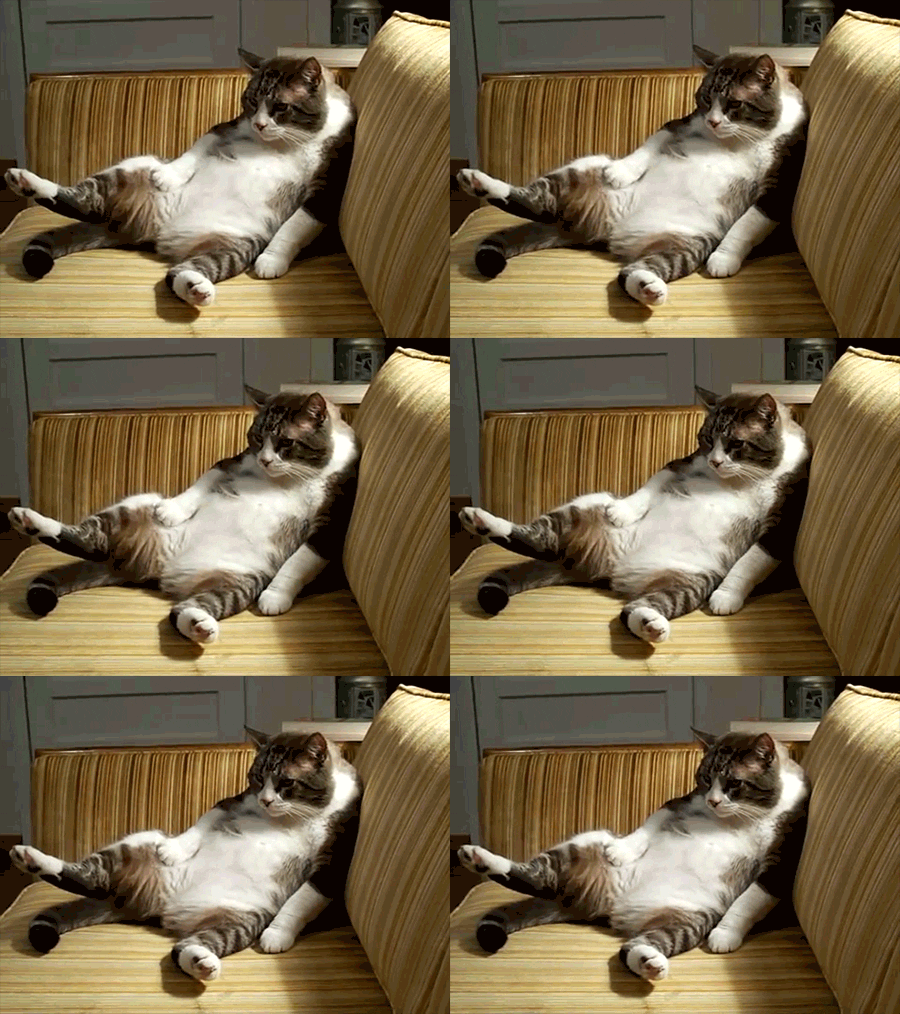
(Not proper posture)

Sitting Has Betrayed Us

Doing it too much can actually get you injured.  It’s sad but true.  Sitting has betrayed us. There are many injuries that can be due to sitting for too long or too often. Some of the most common areas of pain and injuries of this type are:

  • Spinal pain: lower back (lumbar), mid back (thoracic), and neck (cervical)
  • Shoulder pain
  • Hip pain
  • Wrist/arm pain (for example: carpal tunnel or “tennis elbow”)
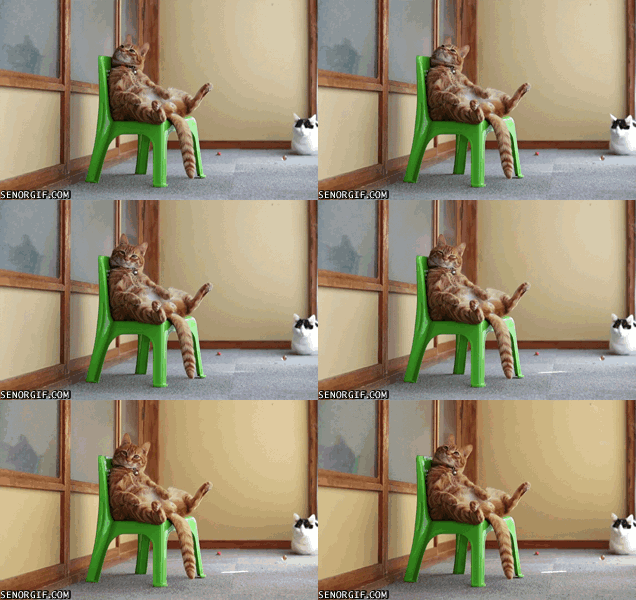
What can you do to avoid sitting (or standing around) too much?

One of the most important ways to avoid work related postural pain with desk jobs is to reduce the amount of time you are staying in the same position. A good goal is that periods of being sedentary (whether static sitting or standing) are only 30-60 minutes at a time. That means trying to do some active movement for 1-5 minutes at least once an hour. Setting a timer to remind you to move can help. Many activity trackers have settings that will remind you to move at this frequency. There are also apps you can download on your phone to give you reminders. This break from sitting can be as simple as going to the restroom or getting a drink of water. It’s even better if you can take a longer walking lap around your office or climbing up and down the stairs.

Ask yourself about whether there are work tasks that can be accomplished while moving. Using talk-to-text apps you can dictate emails while on a walk and often can take conference calls as well. If you can, take a longer walking or stretching break during lunch. Even briskly walking for 20-30 minutes each day during your lunch break can make a huge difference that you will notice.
Filed Under: back, desk job, pain, posture, Uncategorized

Patty Cake Patty Cake Baker’s Cyst

October 13, 2021 by Gabby

What is it?

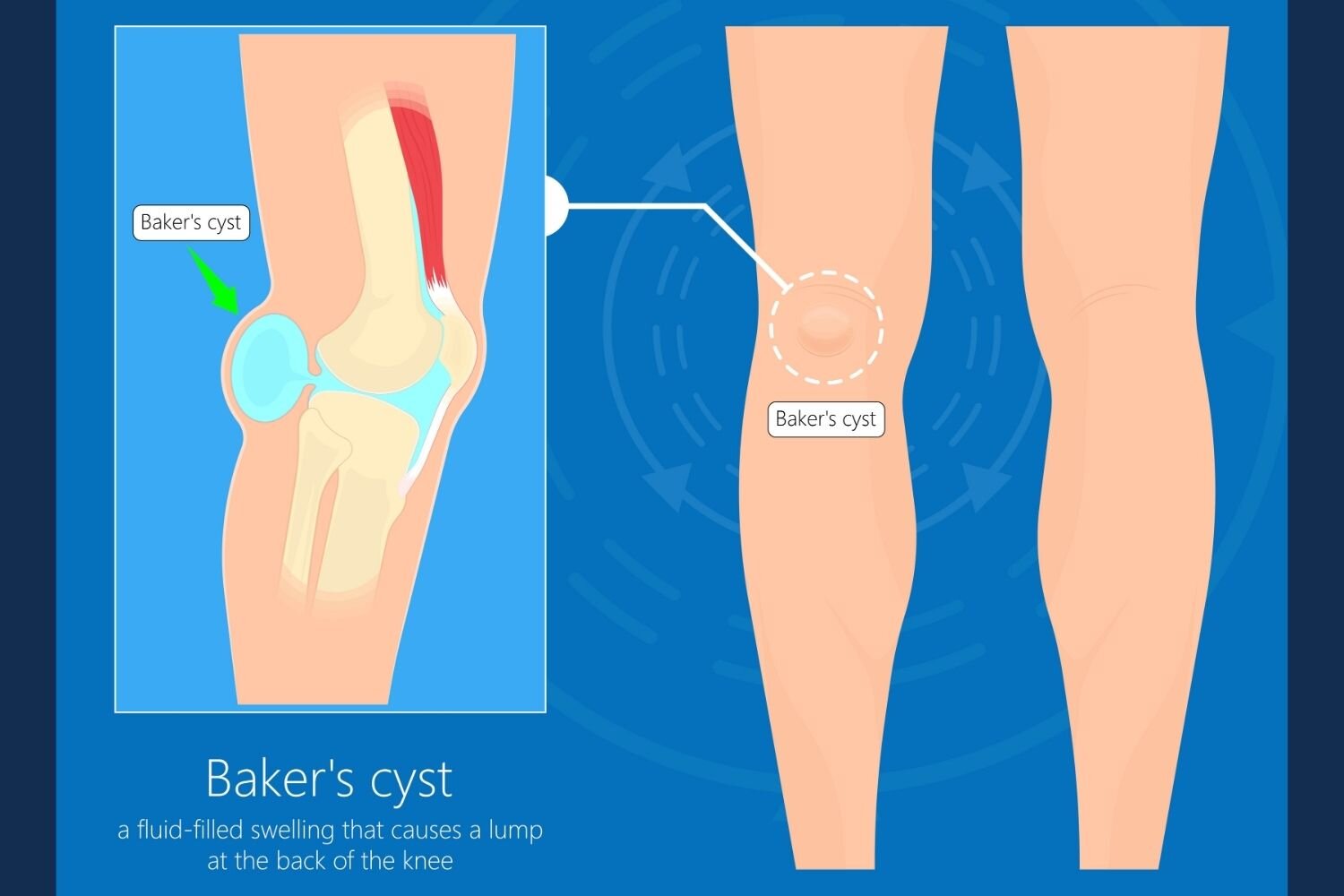
A Baker’s cyst is a fluid-filled cyst that causes a bulge and a feeling of tightness behind your knee. The pain increases when you fully flex or extend your knee or with increased activity.

A Baker’s cyst, also called a popliteal cyst, is usually the result of a problem with your knee joint. It can be caused by such problems as arthritis or a cartilage tear. Both conditions can cause your knee to produce too much fluid, which can lead to a Baker’s cyst.

Although you may experience swelling and it may make you uncomfortable, treating the probable underlying problem usually provides relief.

Symptoms

In some cases, this issue causes no pain, and you may not notice it. If you do have signs and symptoms, they might include:

  • Swelling behind your knee, and sometimes in your leg
  • Knee pain
  • Stiffness and inability to fully flex the knee

Your symptoms may be worse with increased activity and prolonged standing. And if they don’t improve with a kiss, it’s a strong sign.


When to seek help

If you have pain and swelling behind your knee, see your physical therapist.  Though unlikely, a bulge behind your knee may be a sign of a condition more serious than a fluid-filled cyst.


Causes

A lubricating fluid called synovial fluid helps your knee flex and extend smoothly by reducing friction between the moving parts of your knee.

The knee can produce too much synovial fluid, resulting in buildup of fluid in an area on the back of your knee (popliteal bursa), causing a Baker’s cyst. This can happen because of:

  • Inflammation of the knee joint, such as occurs with various types of arthritis
  • A knee injury, such as a cartilage tear

If you think you may be suffering from a Baker’s cyst, come in and see our therapists and we can get you on the mend ASAP.


Written by Clint Bunker PT

Filed Under: knee, knee pain, pain

Blood Flow Restriction Training

September 23, 2021 by Gabby

BFRT

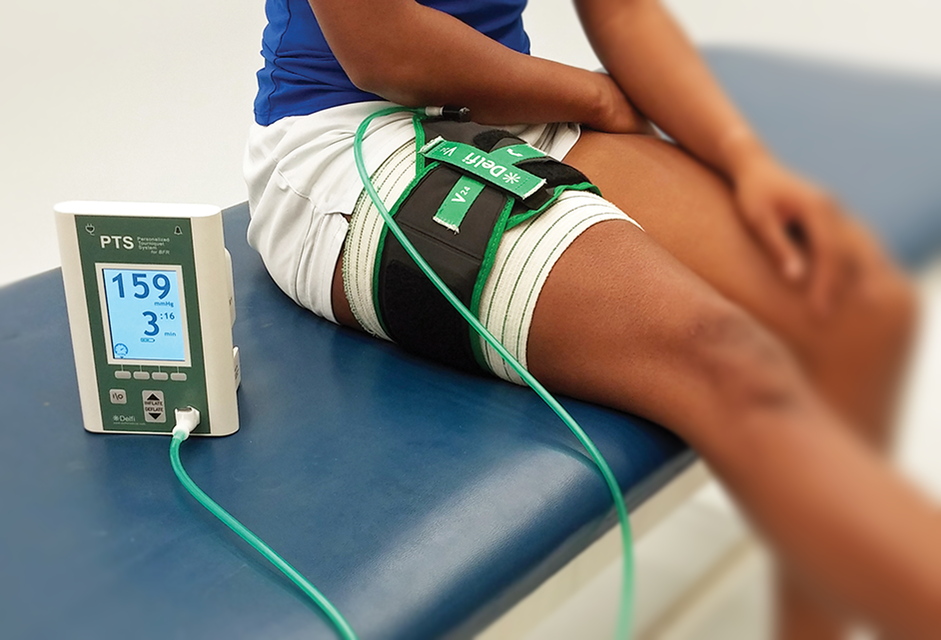
Blood flow restriction training, also known as tourniquet training, has been around since the 1960s. It was developed in Japan. Before 2008, blood flow restriction training (BFRT) tools were not easily accessible in the United States. Therefore, it didn’t have a lot of research done here. Since then, there has been a lot of research showing the important roles it can play.

The technology has improved over time.  Early BFRT was done by using straps or large elastic bands and pulled tightly around the desired body part. These days, BFRT is done more precisely. It’s done by calculating certain limb pressures that cause occlusion in a limb. It’s similar to how you take blood pressure at your doctor’s office. A cuff is pumped to a certain level and left for a while, or while specific exercises to be performed. There are protocols which your therapist will follow. Your therapist can also make you a specific plan that you can follow depending on your desired goals.

What is it good for?

The goals for BFRT may include to preserve muscle mass and strength, bone density and function, muscle size and strength, aerobic capacity, recovery, and to improve pain levels. As with most modalities, there are precautions and contraindications for the treatment, so a patient must be screened first to make sure it is appropriate. However, the most common uses for BFRT include post-operative recovery, pain modulation, and aerobic capacity. Doctors and research these days are showing quicker recovery times for surgeries including ACL, meniscus, and other knee surgeries as well as other lower extremity surgeries as well. Although, BFRT is more commonly seen in the lower extremity, there are certain diagnoses that can be appropriate in the upper extremity as well.


As research improves, BFRT has been known to be something that can help your recovery. It can also help you with “pre-hab” which is treatment that happens beforehand. If BFRT is something you are interested in learning about, please feel free to contact our office for more information and to set up a time to meet with a therapist.


Written by Casey Badder PT

Filed Under: treatment

Pool’s Gold

September 4, 2021 by Gabby

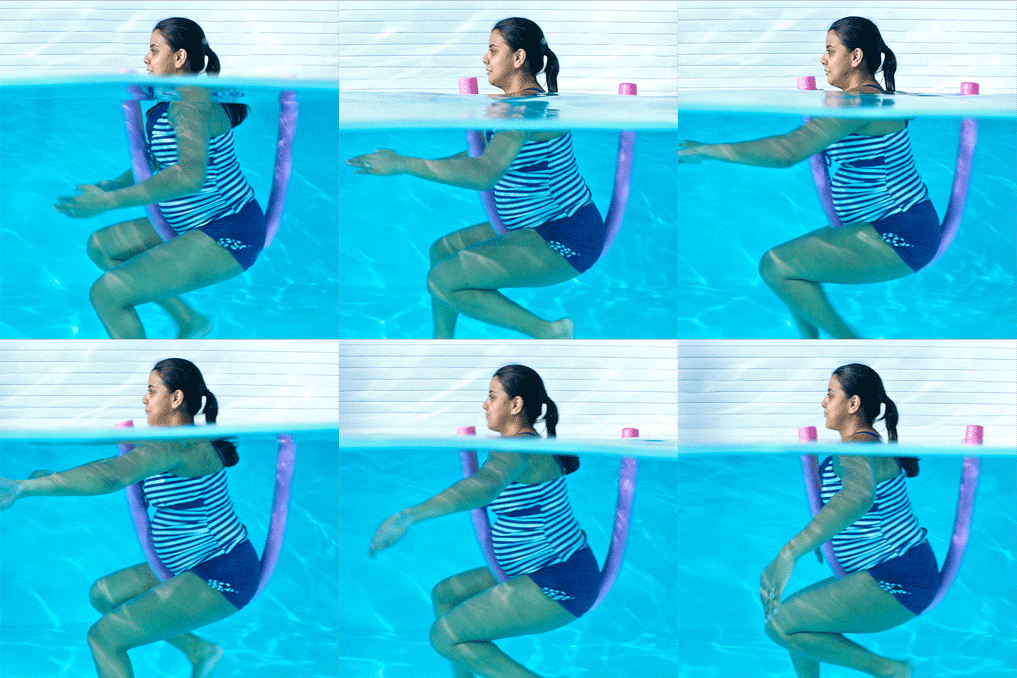
The Arizona heat shows no signs of releasing its grip any time soon.  If you’re like me, you’ve likely visited the pool in order to maintain sanity through these hot months.  What you may not know is that you can take advantage of your time in the pool to do a little physical therapy.  It’s simple, it’s fun, and best of all it isn’t sweaty.


Doing pool exercises comes with some solid benefits.  Exercises in the water can help increase your blood flow and circulation.  It also reduces the amount of your weight that your body has to hold up.  This makes it easier on your joints, muscles, and tendons that you may be trying to rehab.  Getting some exercise in the pool can also improve your mood.  For one, you’ll be less hot, and that makes everyone happier.  And for two, it’s well established scientifically that getting exercise improves your mood.  Exercises in the pool can’t replace the therapy that you do on land, but they can be a great help in your healing process.

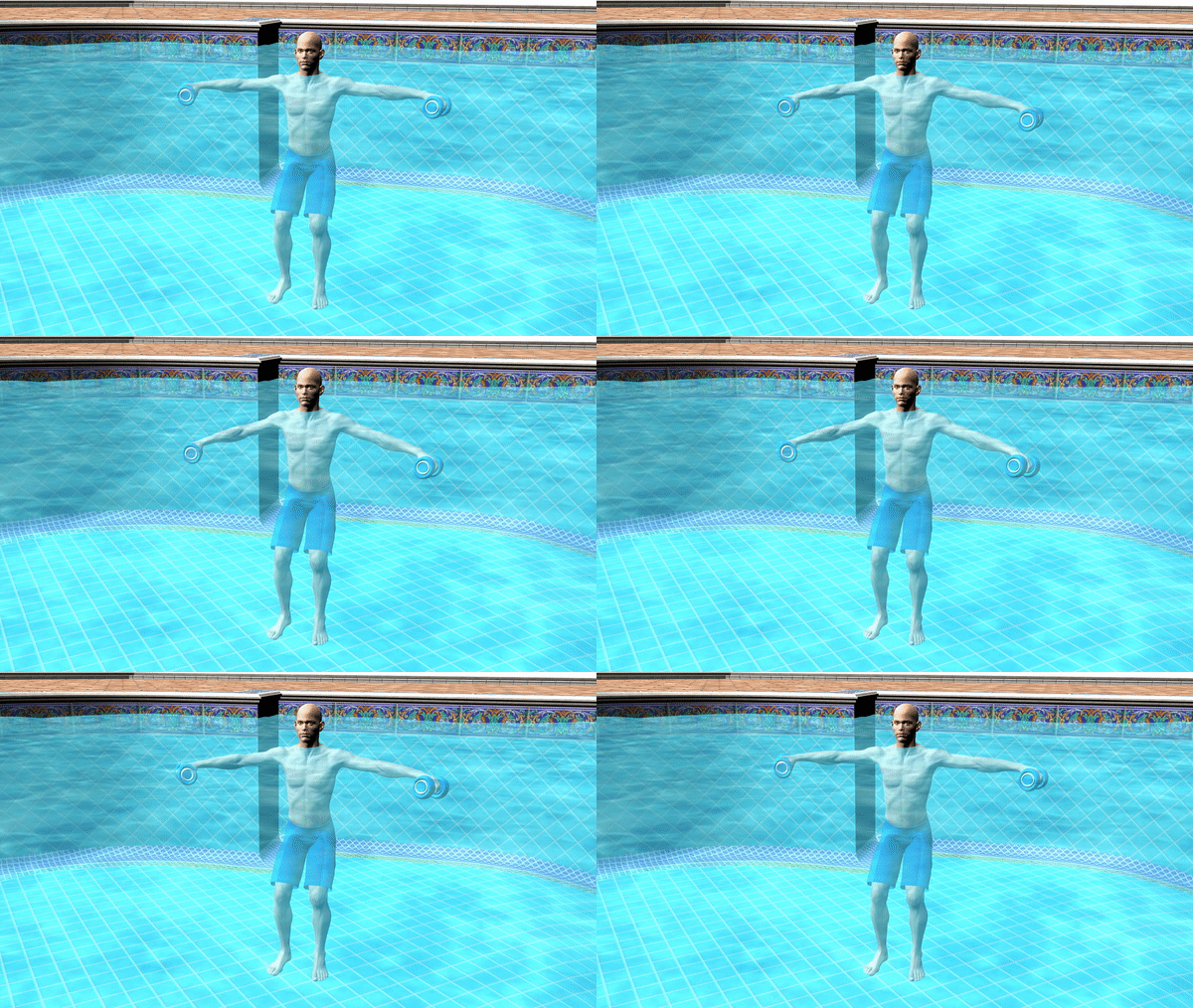
(Actual reenactment of a real human using weights in the pool)

Weights are a great thing to use in the pool because they are low impact and can help you work into more strenuous workouts.

Another great exercise in the water is noodle biking.  For this one you’ll need your favorite pool noodle.  You’ll hop on the noodle as if it were a bicycle, sitting in the middle of the noodle.  While floating, kick your legs as if you were pushing imaginary bike pedals.  You can make this exercise as slow or as fast as you want.


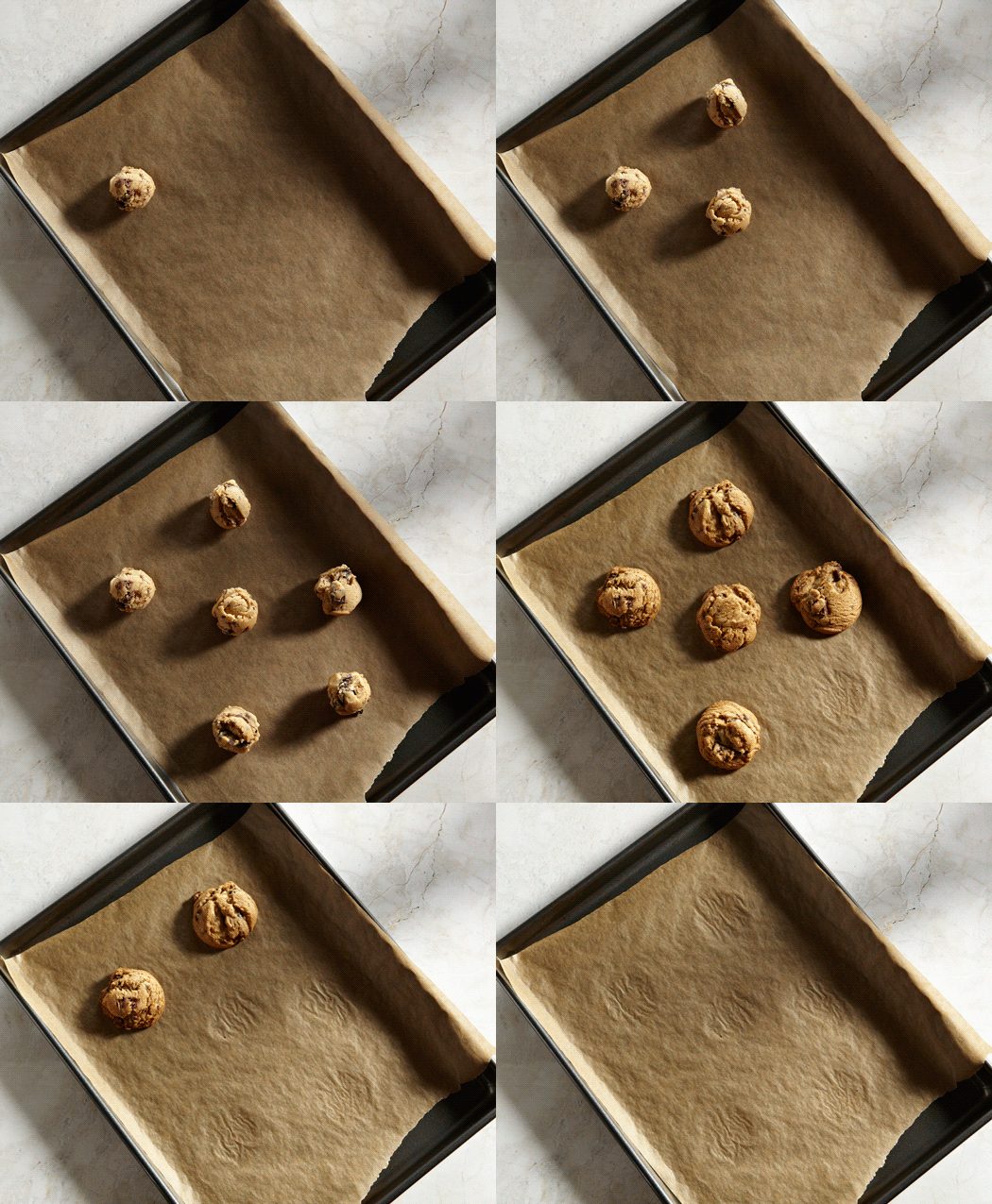
Walking is a really great exercise to do in the pool for a number of different body parts.  A pro tip is to bring something with you into the pool that you probably have never brought with you before: a cookie sheet.  That’s right, one of those metal pans you use to bake cookies.  Hop into the water and hold the sheet with both hands in front of you.  As you walk forward, the pan will create more resistance and make it somewhat harder for you to walk.  This can help strengthen your muscles.  You can also use this technique while standing still to work your arms as you move the pan away from you and back toward you.

If you’re jumping in the pool to escape the heat, why not take a little time to work out?  It can be a big help for patients looking for low impact exercise.  And when you’re done with that cookie sheet you can whip up a batch of chocolate chip cookies and call it a day.  What more could anyone want?


Written by Tom Farnsworth PT

Filed Under: health, treatment

Deep Vein Thrombosis

August 8, 2021 by Gabby

DVT

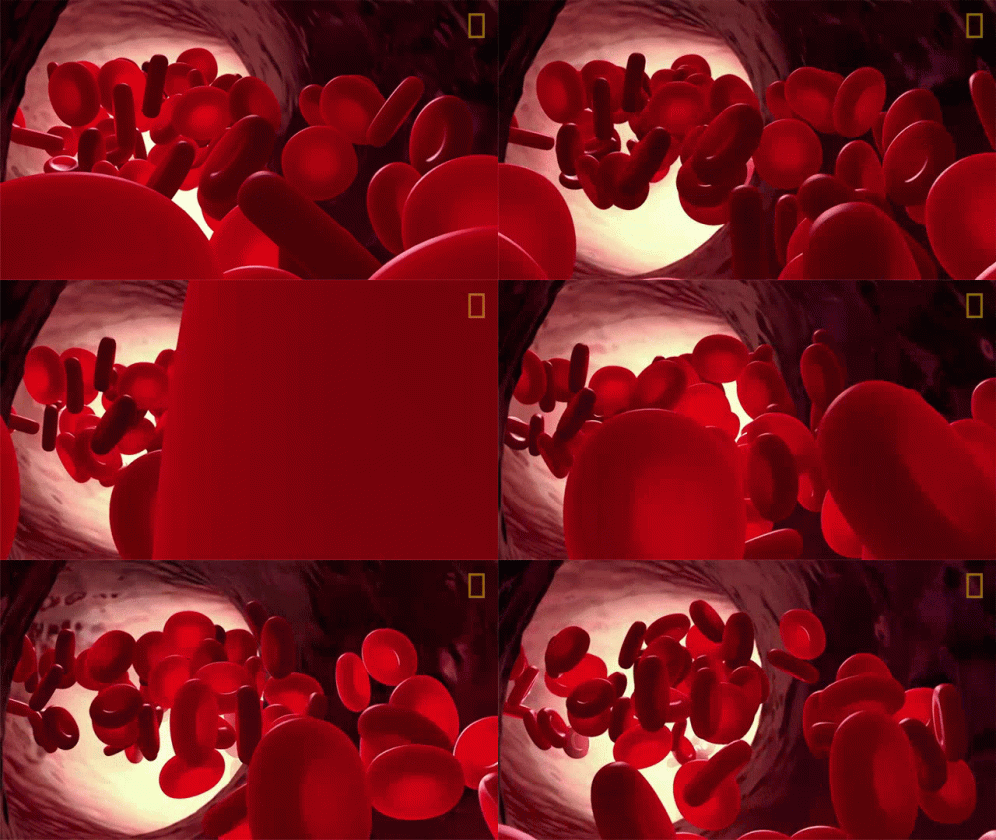
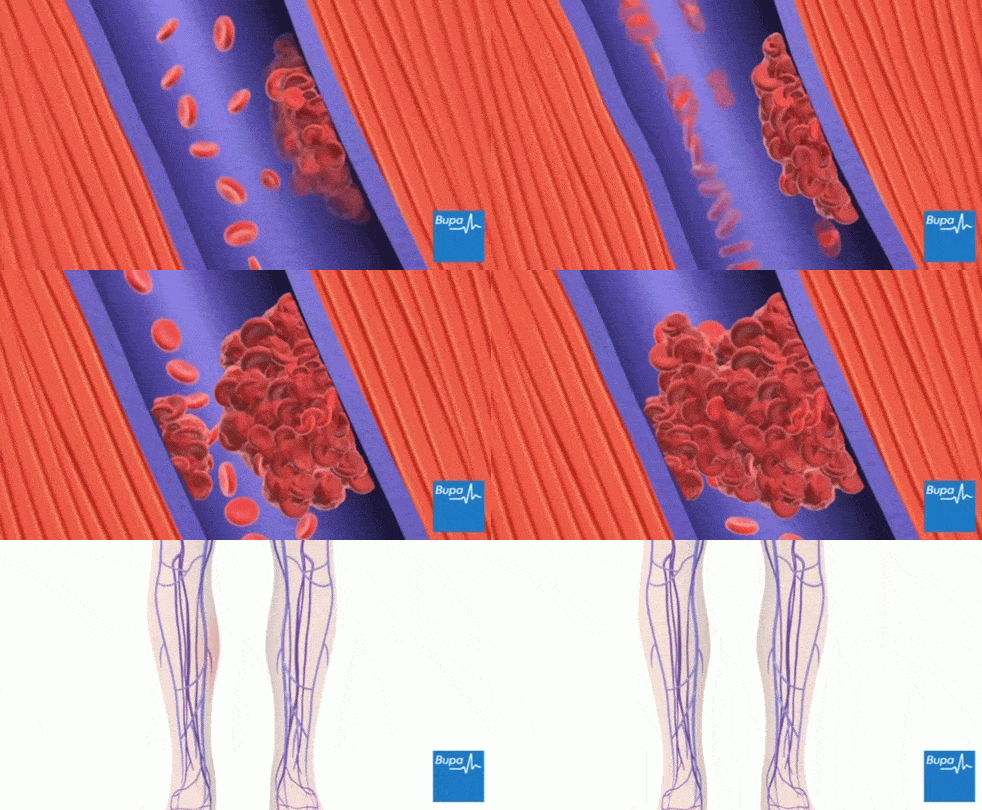
Deep vein thrombosis (DVT) is caused by a blood clot (thrombus) forming in one or more of the deep veins in your body, most commonly in your legs. Deep vein thrombosis can cause swelling and/or pain, but also can occur without any symptoms.

Certain medical conditions that affect how your blood clots can make you more susceptible to getting a DVT. A blood clot in your legs can also happen if you don’t move for a long time, such as after you have surgery or an accident, when you’re traveling a long distance, or when you’re on bed rest.

Deep vein thrombosis can be very serious because blood clots in your veins can break loose, travel through your bloodstream and get stuck in your lungs, blocking blood flow (pulmonary embolism). However, pulmonary embolism can occur with no evidence of DVT.

When DVT and pulmonary embolism occur together, it’s called venous thromboembolism (VTE).

Symptoms

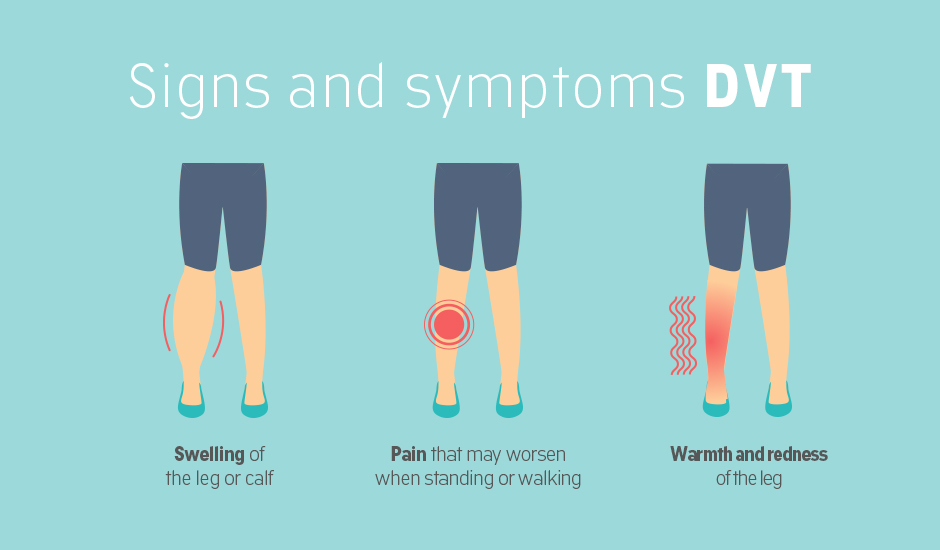
DVT signs and symptoms can include:

  • Swelling in the affected leg. Rarely, there’s swelling in both legs.
  • Pain in your leg. The pain often starts in your calf and can feel like cramping or soreness.
  • Red or discolored skin on the leg.
  • A feeling of warmth in the affected leg.

Deep vein thrombosis can occur without noticeable symptoms.

Prevention

Measures to prevent deep vein thrombosis include the following:

  • Keep Moving! If you have had surgery or have been on bed rest for other reasons, try to get moving as soon as possible. If you’re sitting for a while, don’t cross your legs, which can block blood flow. If you’re traveling a long distance by car, stop every hour or so and walk around.
  • If you’re on a plane, stand or walk occasionally. If you can’t do that, exercise your lower legs. Try raising and lowering your heels while keeping your toes on the floor, then raising your toes with your heels on the floor.
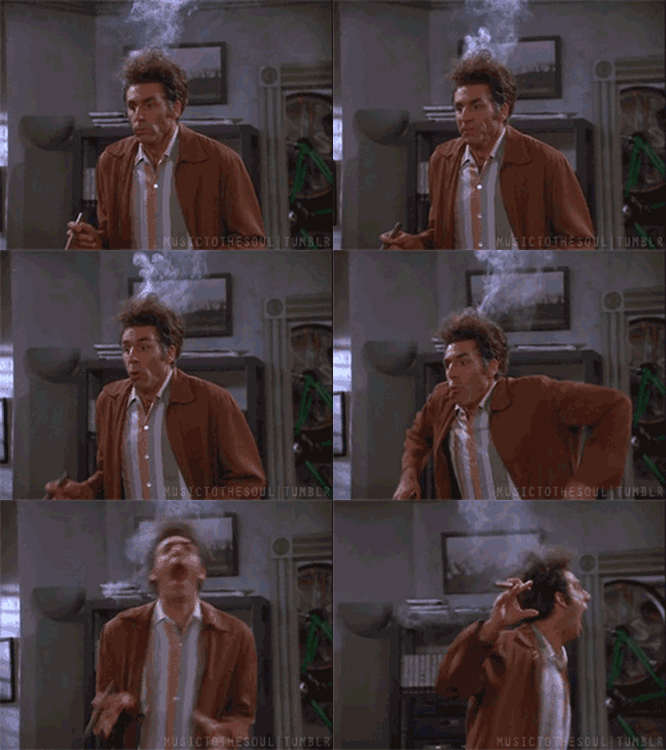
  • Don’t smoke. Smoking increases your risk of getting DVT.
  • Exercise and manage your weight. Obesity is a risk factor for DVT. Regular exercise lowers your risk of blood clots, which is especially important for people who sit a lot or travel frequently.

Don’t smoke and end up like Kramer.


Written by Clint Bunker PT

Filed Under: pain, treatment

Plantar Plate Tear

August 8, 2021 by Gabby

What is it?

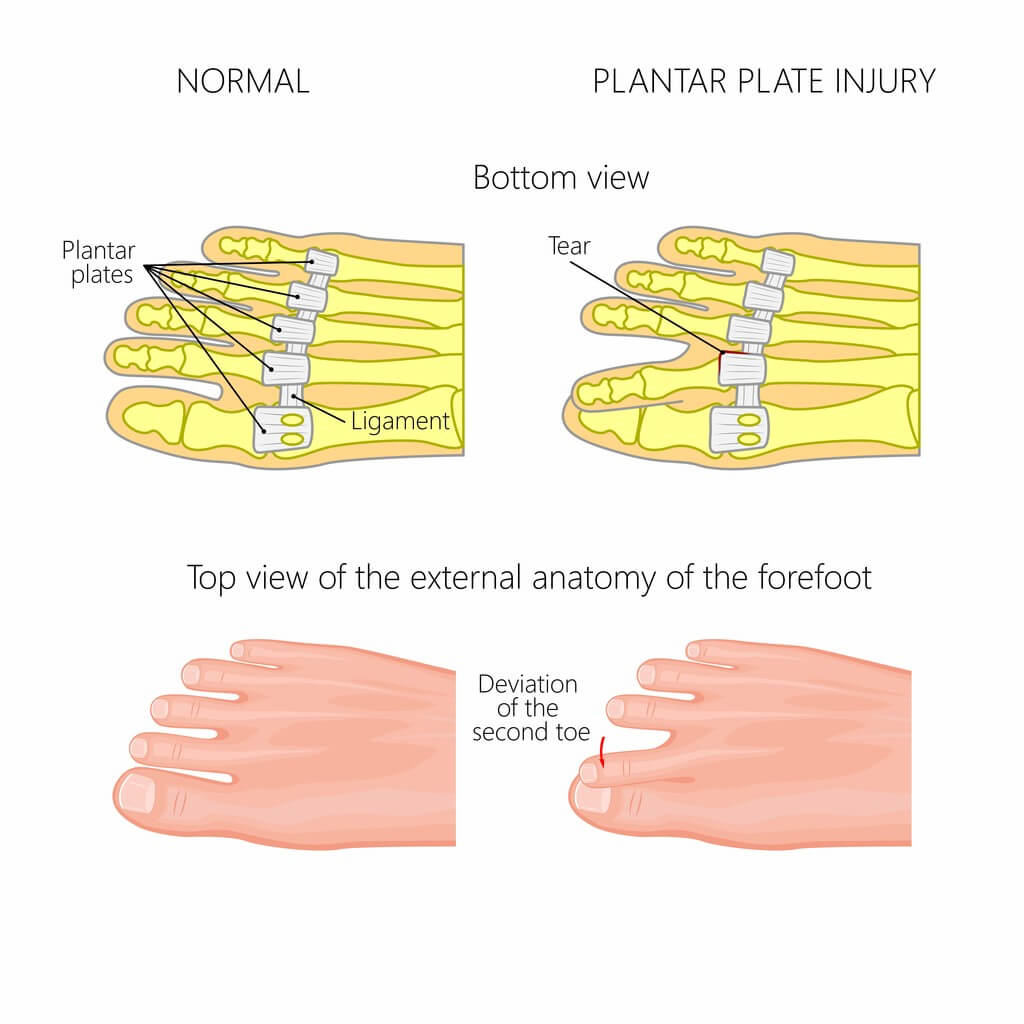
Your plantar plate is a thick ligament that runs along the ball of your foot, connecting to the joints. A plantar plate tear is a common foot injury which is caused by repetitive overload. Your plantar plate is a ligament that is on the underside of the joints at the ball of your feet.

Persistent pain and swelling under the ball of the foot that extends towards your toes is often the first sign of a plantar plate tear. This pain may be reproduced by bending your toe upwards. Some swelling may be visible on the top of your foot. Sometimes there can be redness. Often a sensation of ‘walking on the bones of the foot’ will be described, and a ‘V’ sign between the toes may be present, where two toes have separated further from one another than what is normal due to a plantar plate tear. You may experience swelling, and tenderness underneath the joint.

Causes

The reasons for the overload can be due to the your individual anatomy, over pronation (rolling in), hyper-mobile joints and incorrect casual and/or running shoes.

Treatment

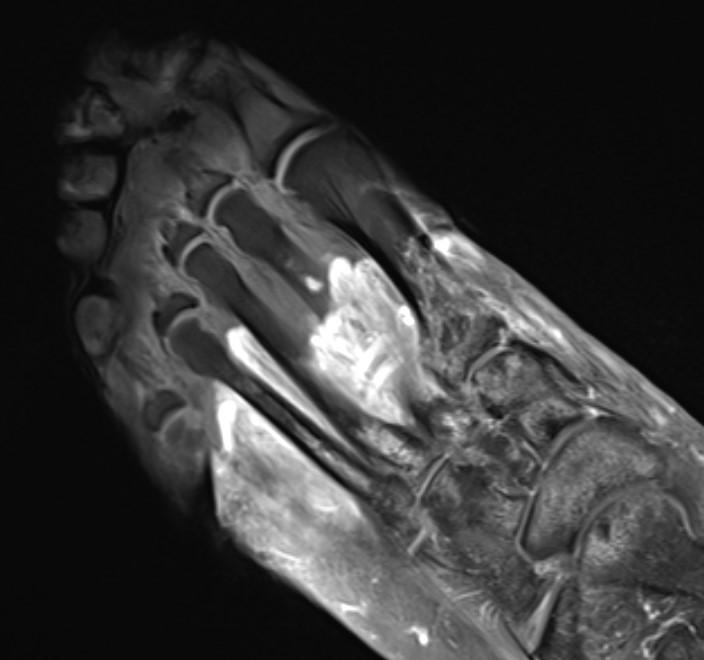
A special test called the modified Lachman’s test can be performed by your therapist to assess your situation. Ultrasound or MRI  can sometimes be important to determine the extent of a potential tear. This is especially true if you have a lot of pain or a claw toe deformity.

Treatment involves offloading the area using padding and stiff-soled shoes. A taping technique called ribbon taping can be used to reduce any claw toe deformity . Icing, non-steroidal anti-inflammatory drugs and active rest is also important to help settle the condition down.  An orthotic can be used once a positive result has been obtained using functional foot taping. A metatarsal pad is added onto the device as well to deflect pressure away from the affected area and to improve loading patterns.

Written by Travis Rohner PT

Filed Under: feet, treatment, Uncategorized

  • « Go to Previous Page
  • Page 1
  • Page 2
  • Page 3
  • Page 4
  • Page 5
  • Page 6
  • Interim pages omitted …
  • Page 15
  • Go to Next Page »

Primary Sidebar

Categories

  • back
  • desk job
  • fall risk
  • feet
  • health
  • home exercise
  • knee
  • knee pain
  • lateral epicondylitis
  • lifting
  • pain
  • piriformis syndrome
  • posture
  • sciatica
  • shoulder
  • sleep
  • treatment
  • Uncategorized
  • welcome

Recent Posts

  • Fire and Ice
  • Plantar Fasciitis
  • Achilles Heel
  • Piriformis Syndrome
  • Weird Flexors? Okay.

Footer Insurance

We accept most insurances!

See a list of our preferred providers.

Footer

Common Ailments & Injuries

50 years of experience has brought us a lot of patients, with a wide variety of problems. We have experience diagnosing and treating all types of injuries, but here are some of the most common:

  • Ankle and Foot
  • Back and Neck
  • Elbow
  • Hand and Wrist
  • Hip
  • Knee
  • Shoulder

What Our Patients Say:

We love working with people and always want our patients to feel like part of our family when they are here. Read what some of them have said about their experience with us.

Patient reviews


Sub Footer

Areas Served:

Mesa, Gilbert, Chandler, Phoenix, Queen Creek, Apache Junction, Tempe, Globe, Gold Canyon

Postal Address

Gilbert Office
730 N. Greenfield Rd.
Gilbert, AZ 85234

Phone: (480) 633-0666

Mesa Office
342 N Val Vista Dr. Suite 106
Mesa, AZ 85213

Phone: (480) 325-3310

FoptAZ.com

  • Home
  • Meet Our Therapists
  • Blog

© 2026 All Rights Reserved Farnsworth Orthopedic Physical Therapy