• Skip to primary navigation
  • Skip to main content
  • Skip to primary sidebar
  • Skip to footer
  • Mesa Office (480) 325-3310
  • Gilbert Office (480) 633-0666

Farnsworth Orthopedic Physical Therapy

Orthopedic Physical Therapy

  • Meet Our Therapists
  • Blog
  • What We Treat
  • See What Our Patients Say!
  • FAQs
  • Contact Us
  • New Patient Forms

Gabby

Total Knee Replacement

January 21, 2021 by Gabby

Knee Replacement

One of the most common things that we see patients for is total knee replacement. Our therapists are experts and can easily guide you through the therapeutic process.   At our office we also have specialized equipment aimed directly at helping our patients that have had knee replacements heal from surgery and get their mobility back.  Knee replacements are major surgery, but with our treatment plan you can have a successful recovery as quickly as possible.

Our Equipment

Recumbent bikes are easy to use, and put little strain on sore or injured, tendons, ligaments and joints. They also allow you to strengthen your muscles which is important after your surgery.  Our recumbent bike is a stationary bike with a bucket seat. Instead of sitting directly over the pedals, the pedals are out in front of you. This makes it easier to use, and it puts less strain on your back, knees, and hips.
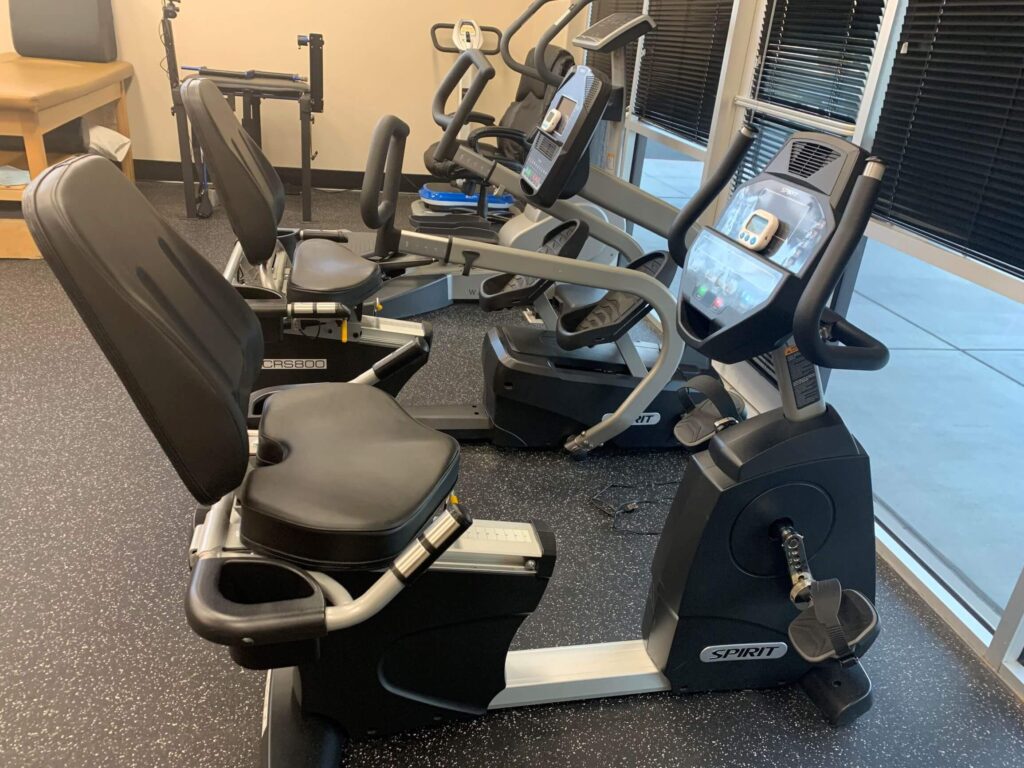
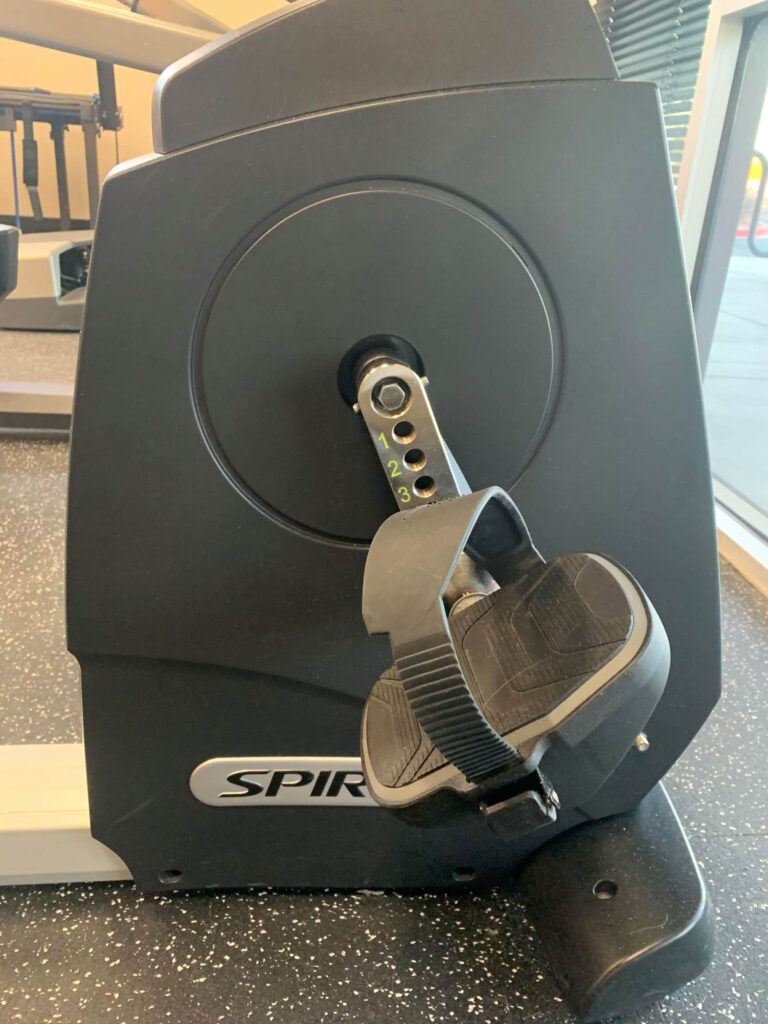
This bike has adjustable pedals to help you get the customized fit that will serve you best.


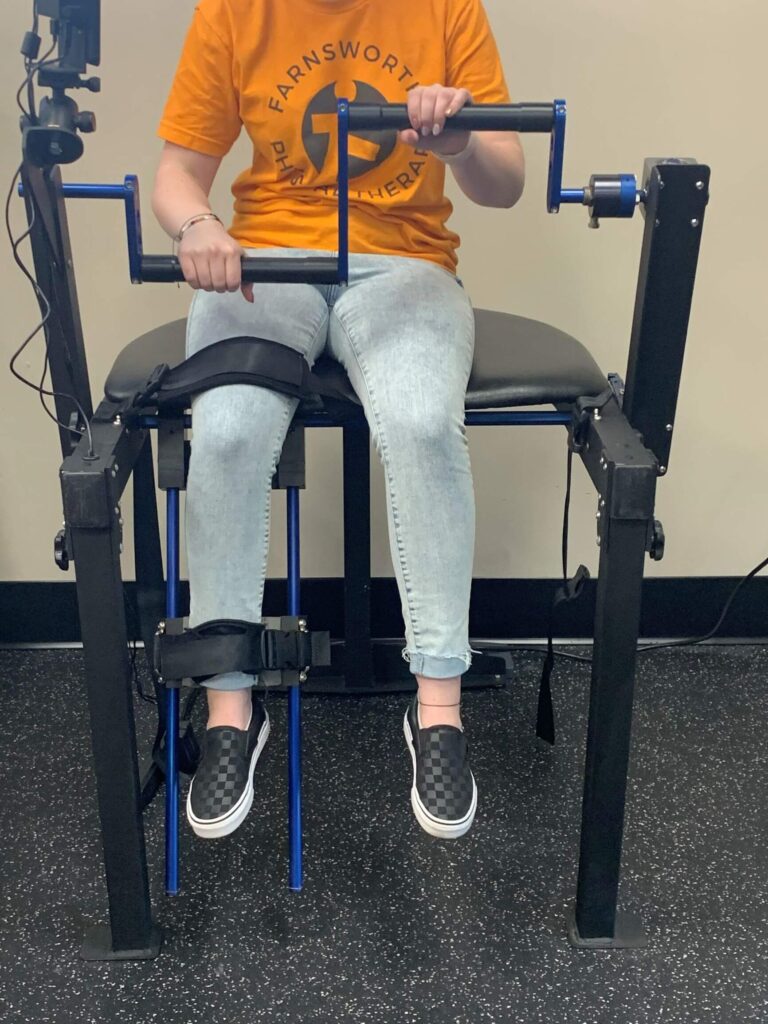
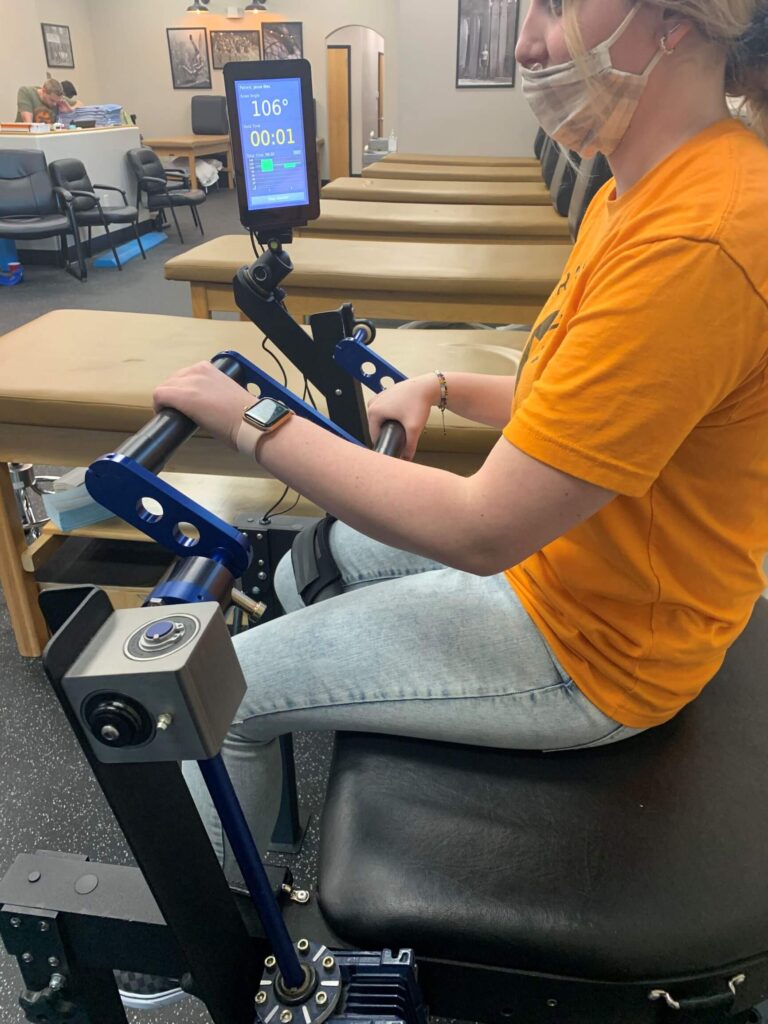
The bender is machine that is designed to help you increase your range of motion.  It allows you to safely bend your knee and regain the flexibility that you need to get back to your everyday life.  This machine is set up with a display that shows you the angle of your knee in degrees.  You and your therapist will work together to come up with goals on how far you can bend your knee and how soon you can reach that goal.  Using that handlebars to assist your knee and leg muscles, you will soon be regaining maximum range of motion with your new knee.
Testimonial

Of course, it’s best to not take our word for it when it comes to how good we are at rehabbing knee replacements.  Instead, take the word of one of our recent patients:

“I came to Farnsworth Physical Therapy after a total knee replacement for rehab.  Everyone was professional, friendly, caring, and encouraging.  Tom, my therapist, was interested in making sure I met my goals.  They helped me to progress while they worked on lessening my pain.  I highly recommend this facility.”  -Christie Cobb


Written by Tom Farnsworth PT
Filed Under: knee, knee pain, treatment

We’ve Moved!

January 7, 2021 by Gabby

We’ve Moved to a New Location

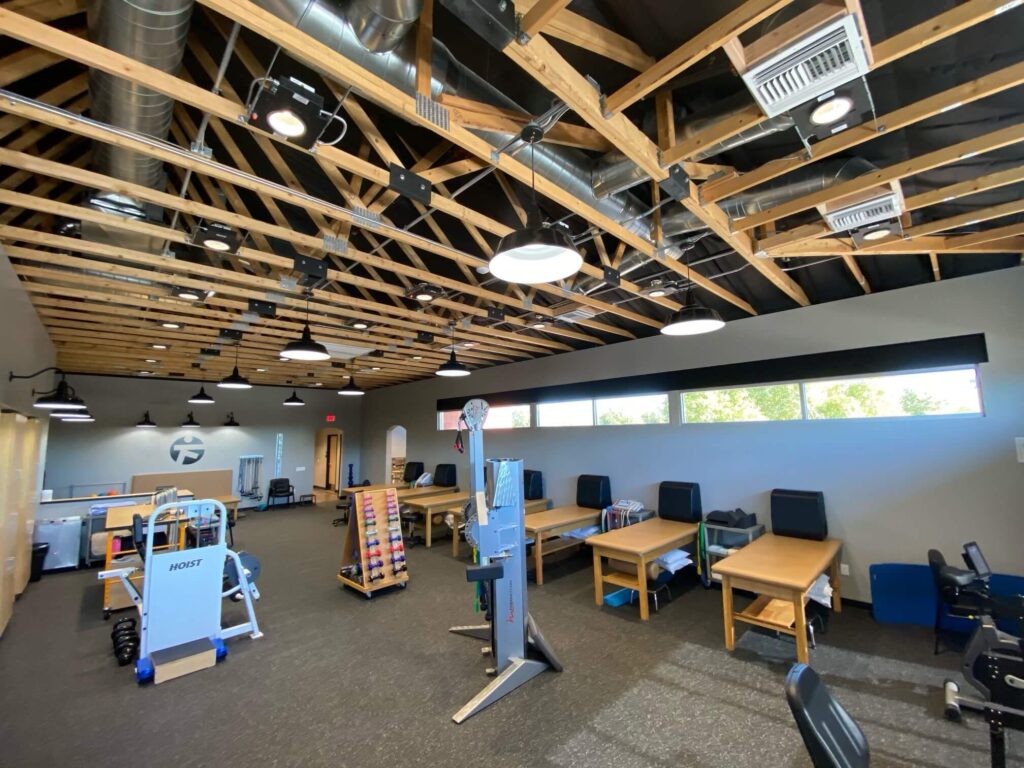
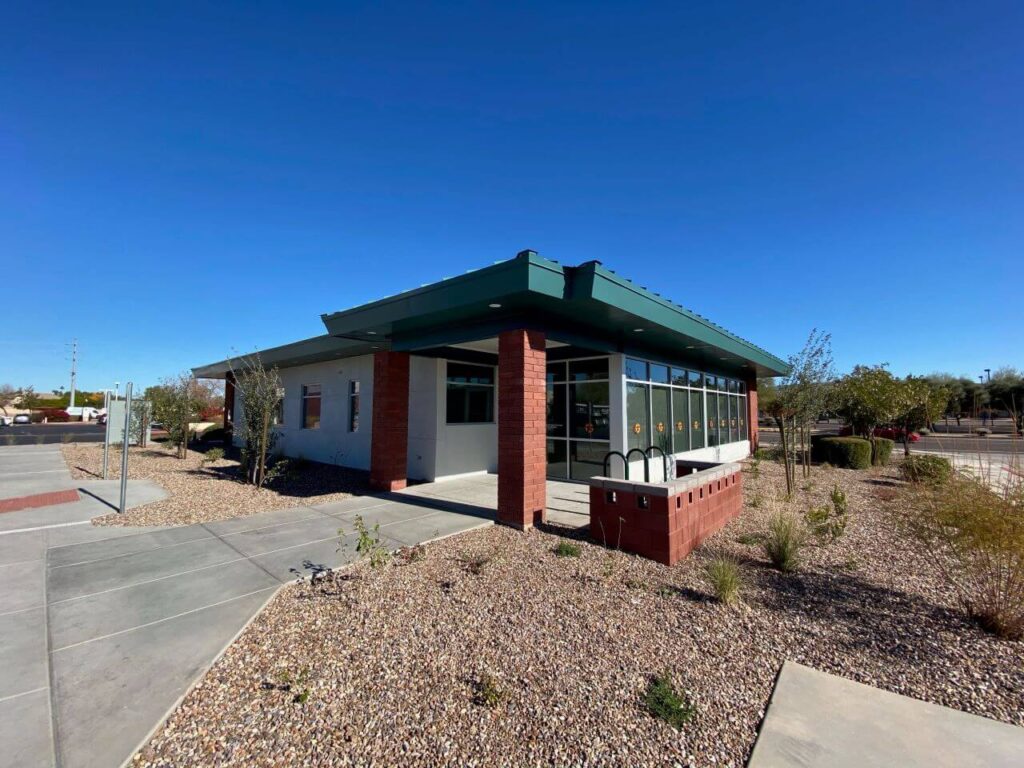
We’ve enjoyed our old location at the NE corner of Greenfield and Guadalupe for over 20 years. However, the time has come for us move and expand.  So we searched far and wide and found the perfect location for our new physical therapy office.  Our new office is located on the SW corner of Greenfield and Guadalupe.  That’s right, we’ve moved all the way across the street!

A Fresh Space to Better Serve You

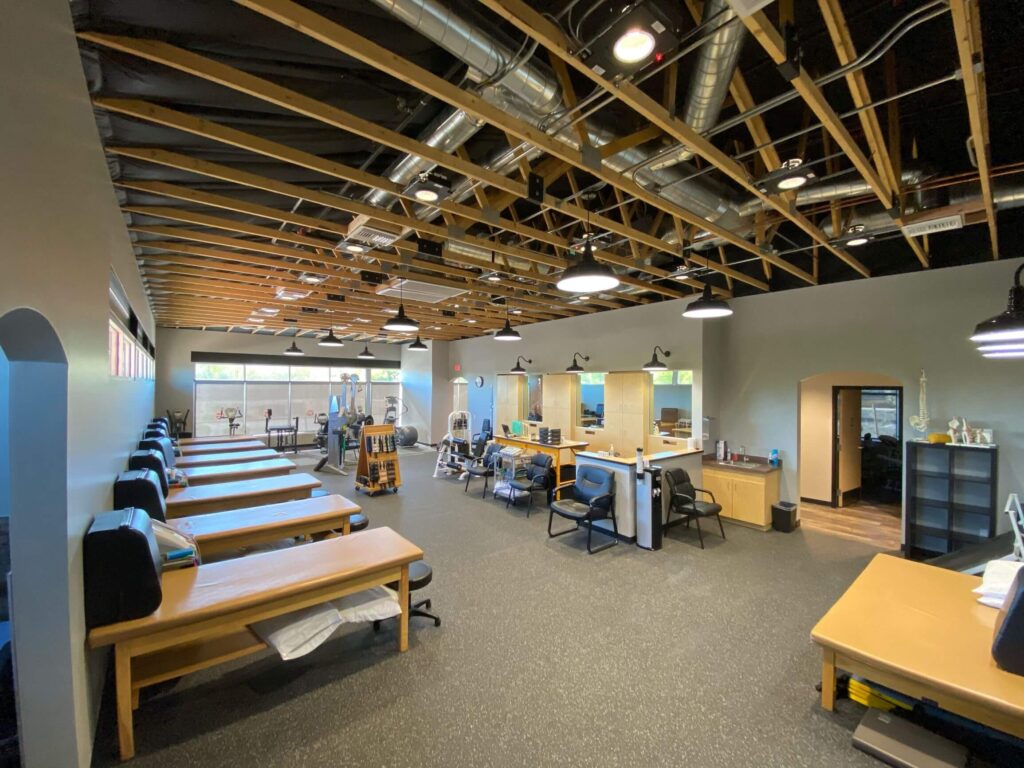
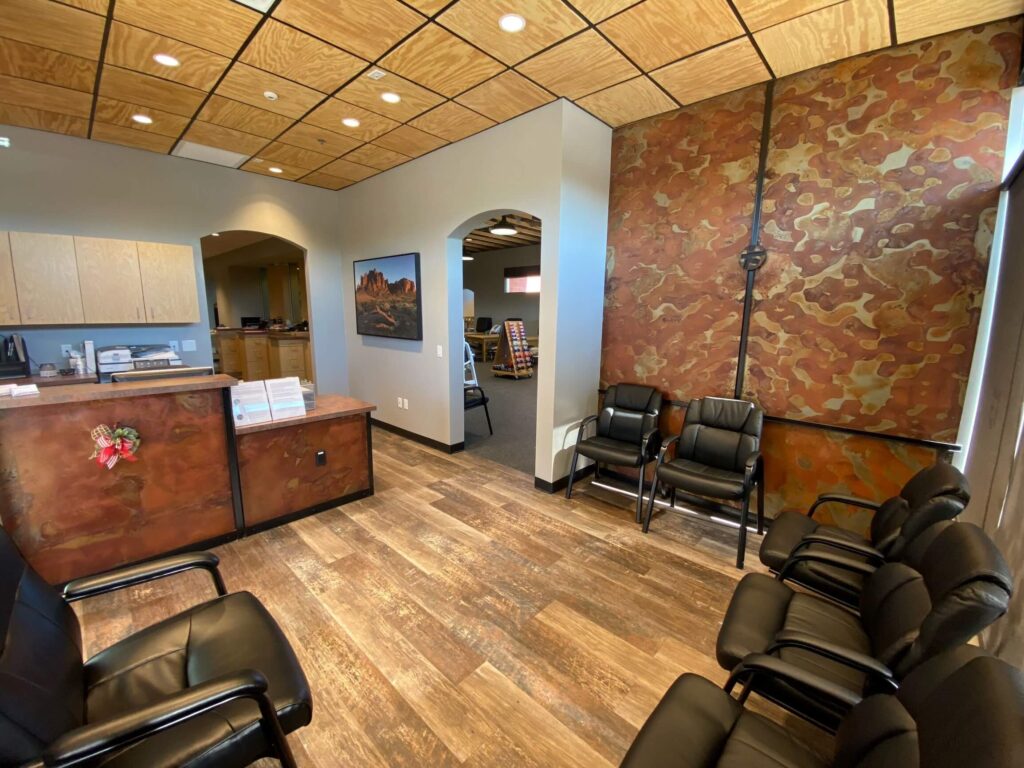
Our new location has plenty of space and a comfortable layout to help us best serve our patients.  Our top priority is always our patients and we are excited to welcome you to our new office.  We think you will be pleased with our new and improved space.


Our new gym.

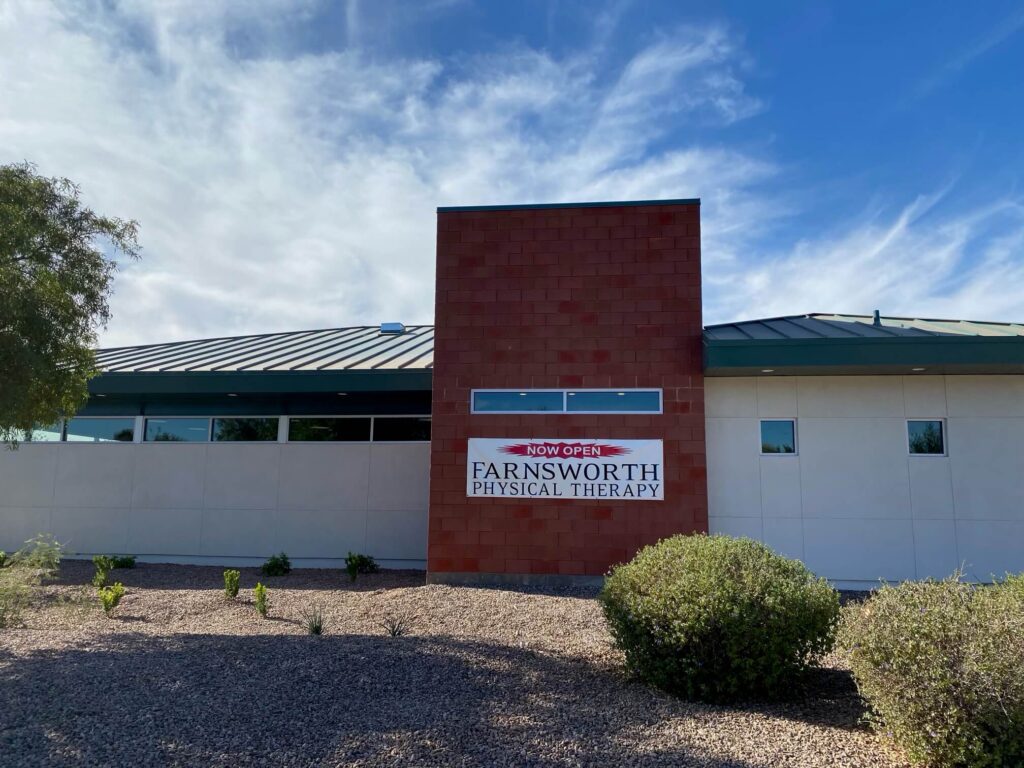
Our new office is a stand alone building.
We look forward to seeing you soon!

Filed Under: treatment, welcome

Labrum Issues

December 7, 2020 by Gabby

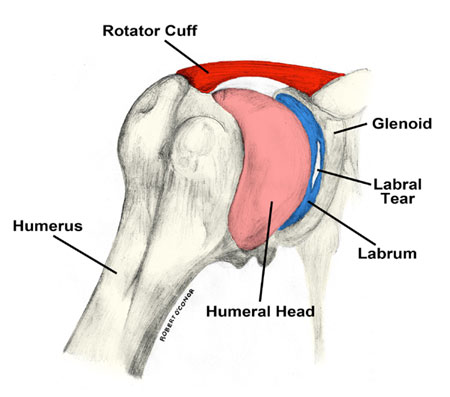
The Labrum

The labrum is a cup-like structure in the shoulder that reinforces the socket portion of the ball-and-socket joint. The joint in the shoulder is rather shallow. This causes it to rely on the labrum as well as the surrounding rotator cuff muscles. It is composed of fibrocartilage which doesn’t easily regenerate on its own.. Damage to the labrum occurs from repetitive stress to the area. An injury to the bicep which attaches to this part of the shoulder, as well as dislocations to the shoulder joint can cause damage as well.

Tears

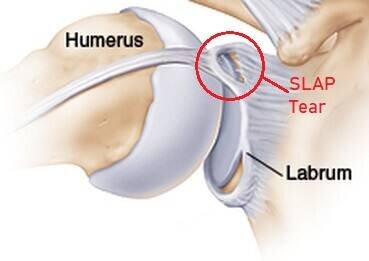
A labral tear is most commonly seen in overhead athletes. These are athletes such as volleyball or baseball players, or to those who have repetitive dislocations of the shoulder. A SLAP tear happens when you tear the upper part of your labrum from forward to back. This high energy, quick movement  can cause this to happen as it puts unwarranted stress on your bicep and labrum. A Bankart tear happens when there are recurrent dislocations of the shoulder joint. This can tear the lower portion of your labrum. This causes shoulder instability over time, which causes the shoulder to dislocate multiple times.

Symptoms

Symptoms of a labral issue include shoulder instability and weakness. You may also experience pain in the shoulder joint. Other symptoms can include grinding, clicking, or catching when you move your shoulder. Depending on the severity of the injury, you may need surgery to help correct it. As mentioned before, there is little to no regeneration of this part on its own. However, physical therapy and cortisone injections will help restore the mobility and strength. If physical therapy fails or if the initial injury is severe enough, surgery may be warranted to correct the torn labrum. This surgery can include arthroscopic cleaning of the joint, removing the torn areas, and/or relocating the bicep to prevent further stress to the area. The surgeon will determine that based on the patient situation and injury severity.

Treatment

Physical therapy is an integral part of rehabilitation of a labrum injury. This is true whether surgery is needed or not. If you have had a sports related injury, multiple shoulder dislocations or any of the symptoms above, please do not hesitate to contact our office for further evaluation.


Written by: Casey Badder PT

Filed Under: health, lifting, pain, shoulder, treatment, Uncategorized

Sever’s Disease

November 1, 2020 by Gabby

Sever’s Disease

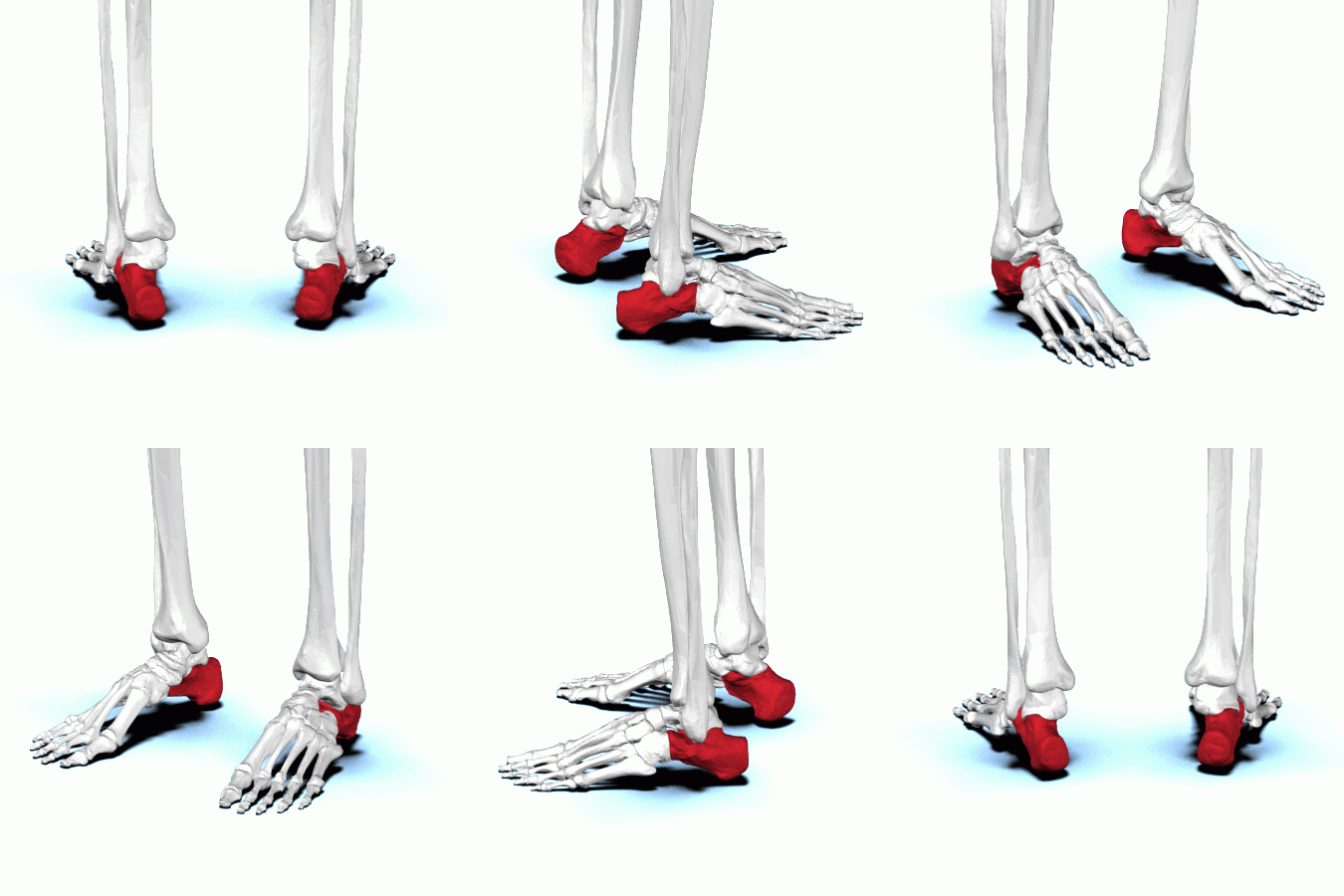
Sever’s disease is a painful condition that can happen to children as they grow. It happens when the tendon that attaches to the back of the heel (your Achilles) pulls on the growth plate of the bone of the heel. The stress over and over again on the growth plate causes pain and inflammation.

It happens most often to physically active children between the ages of 8 and 14. This pain is often made worse by lots of physical activity or when the Achilles tendons are tight. Pain can also be worse during a growth spurt, when the bones grow faster than the tendons. This increases how much the tendon pulls on the heel.  While it is painful, Sever’s disease is not a serious condition. It doesn’t cause long term damage or arthritis and often resolves once the growth plates close.

How do I know if my child has it?

The following are some signs that your child may have Sever’s disease:

  • Heel pain in one or both heels, which often comes and goes
  • Pain that gets worse when doing activities activities, especially with new or strenuous activities
  • Pain may cause limping or walking on toes to avoid putting pressure on the heels
  • Pain that is worsened by running or jumping
  • Pain with pressing on the back of the heel
  • Pain is worse upon waking

What helps Treat it?

Ice: Ice their heel for 15 to 20 minutes when the have pain or after activities. Remember not to put the ice directly on skin. Use a towel or other cloth between the ice and their skin.

Rest: Rest from physical activities, especially running and jumping, while having pain. Take rest breaks between activities.

Shoes: Always have your child wear a well-cushioned pair of supportive shoes. Don’t allow them to walk around in bare feet. In some cases, special gel inserts for the shoe called heel cups may help.

Pain Relief: Anti-inflammatory medicines, such as ibuprofen can be used as needed for pain and swelling. Be sure to read the directions on the bottle in order to give the correct dosage for your child’s height and weight.

Stretching: Stretching their calf muscles can help loosen tight Achilles tendons and help decrease the pull of the tendons on the growth plates.

Road to Recovery

In most cases, Sever’s disease goes away on its own. The important thing is to make sure your child gets rest, treatment, and time to heal. Symptoms might get worse if your child tries to play through the pain.  Your child can gradually increase the amount of activities they do when they don’t have symptoms. Remember, this is a disease that can come and go.  Sever’s disease usually goes away completely when their growth plates close.

Written by Travis Rohner PT

Filed Under: feet, pain, treatment

Osteoporosis: The Silent Disease

October 11, 2020 by Gabby

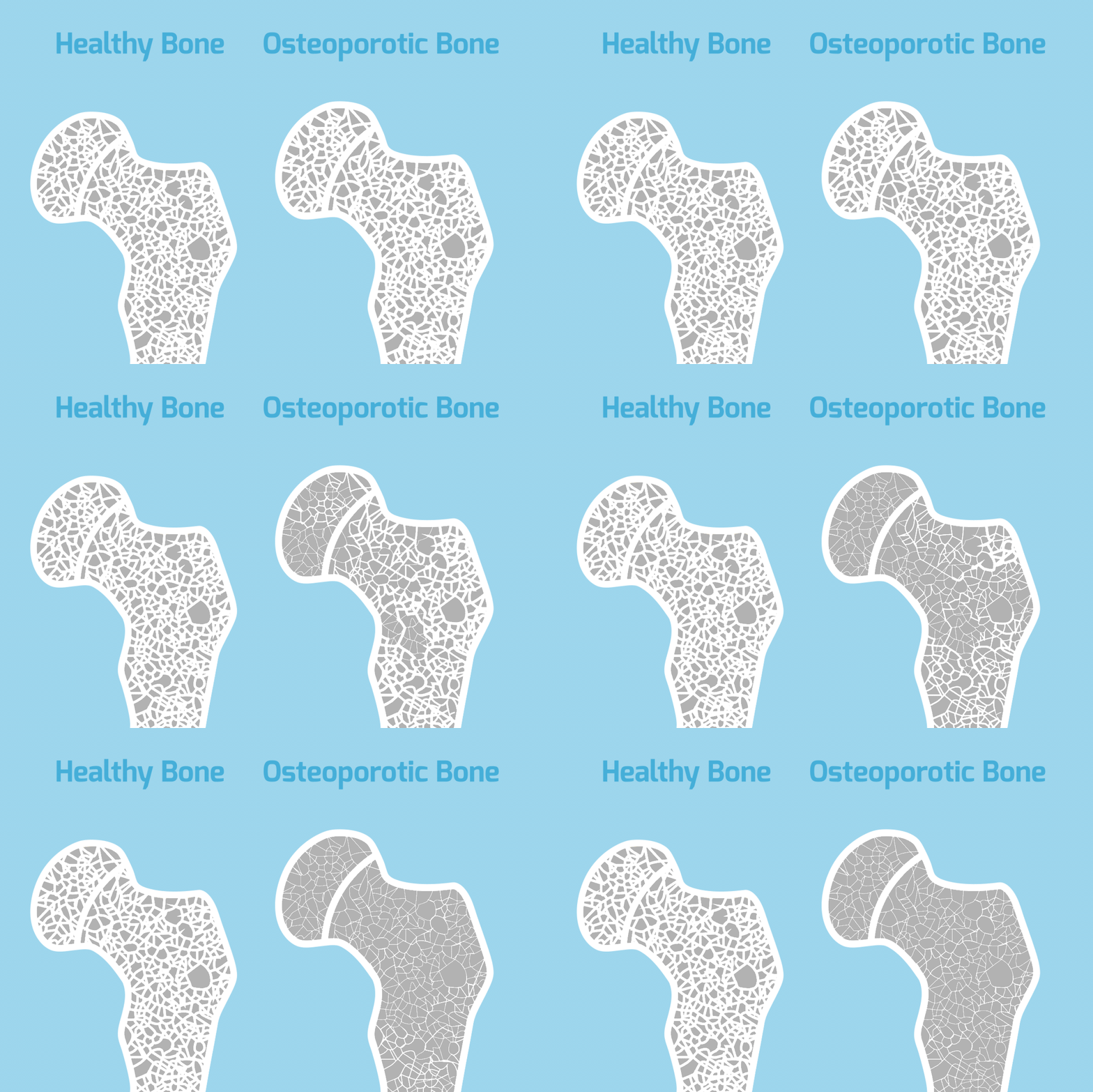
Osteoporosis is a bone disease characterized by a decrease in bone tissue. Low bone mass leads to fragile bones. It also increases your risk of fractures, especially your spine, hips, and wrists. While there is no cure for osteoporosis, it is largely preventable in most people. There are many treatment options available for those affected.

Who gets it?

This condition is most common in older women. Women who experience early menopause or have their ovaries removed before age 45 and don’t undergo hormone therapy are more likely to develop osteoporosis. Cigarette smoking, excessive alcohol, and caffeine intake contribute to the problem.  So do problems with calcium absorption in the intestines. There are also some drug treatments that can induce osteoporosis.

The Silent Disease

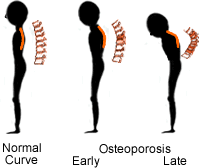
Osteoporosis is sometimes called the “silent disease”. This is because there are so few symptoms in the beginning associated with bone loss. Many people do not even know they have osteoporosis until they start getting broken bones. In severe cases of osteoporosis, symptoms include aching pain in your bones, especially in your spine. Fractures can occur without any trauma at all.  The pain can be severe. But usually you don’t have the radiating pain into your arms or legs as you would with other back conditions. After repeated crush fractures in your spine, you may develop an excessive curvature in your neck or increased mid back forward bending. Hip and wrist fractures are common, especially when associated with minor falls.

Bone density testing and X-rays are the main ways to detect osteoporosis. Your doctor can order them for you.

Treatment

Treatment of osteoporosis includes the following preventive measures:

  • Exercise – Daily weight-bearing and resistance training exercise helps reduce bone loss. It also helps you maintain good muscle tone. Walking, jogging, hiking, tennis, yoga and strength training are good-weight bearing exercises.


  • Nutrition – Calcium and vitamin D are needed for healthy bones. Most adults require 1000-1500 mg of calcium and 600 units of vitamin D per day. You should, however, ask your doctor to determine the right amounts for you.


  • Avoid tobacco, alcohol, excessive protein, and caffeine. All of these increase your risk of developing osteoporosis. Protein is an important part of your diet and is vital for good health, but taking in high amounts of protein can cause your body to lose calcium. Caffeine in large amounts can make it hard for your body to retain calcium. Do not use tobacco. Limit your alcohol and caffeine intake.


  • Medication – Hormone therapy and medications developed specifically to slow bone loss may be prescribed by your doctor.


Written by Clint Bunker PT

Filed Under: fall risk, health, treatment

That’s a Stretch

October 8, 2020 by Gabby

Stretch Yourself

When life gets crazy, it’s easy to forget to take care of ourselves.  Setting aside a few moments to do something to better your health and the way you feel can make a big impact on your day.  One quick and simple thing you can do for your health is stretch. There are many effective stretches that target certain muscle groups and issues.  Below you’ll find a couple common stretches that you can do daily that target muscles that often get overworked and strained in our day to day lives.

Neck

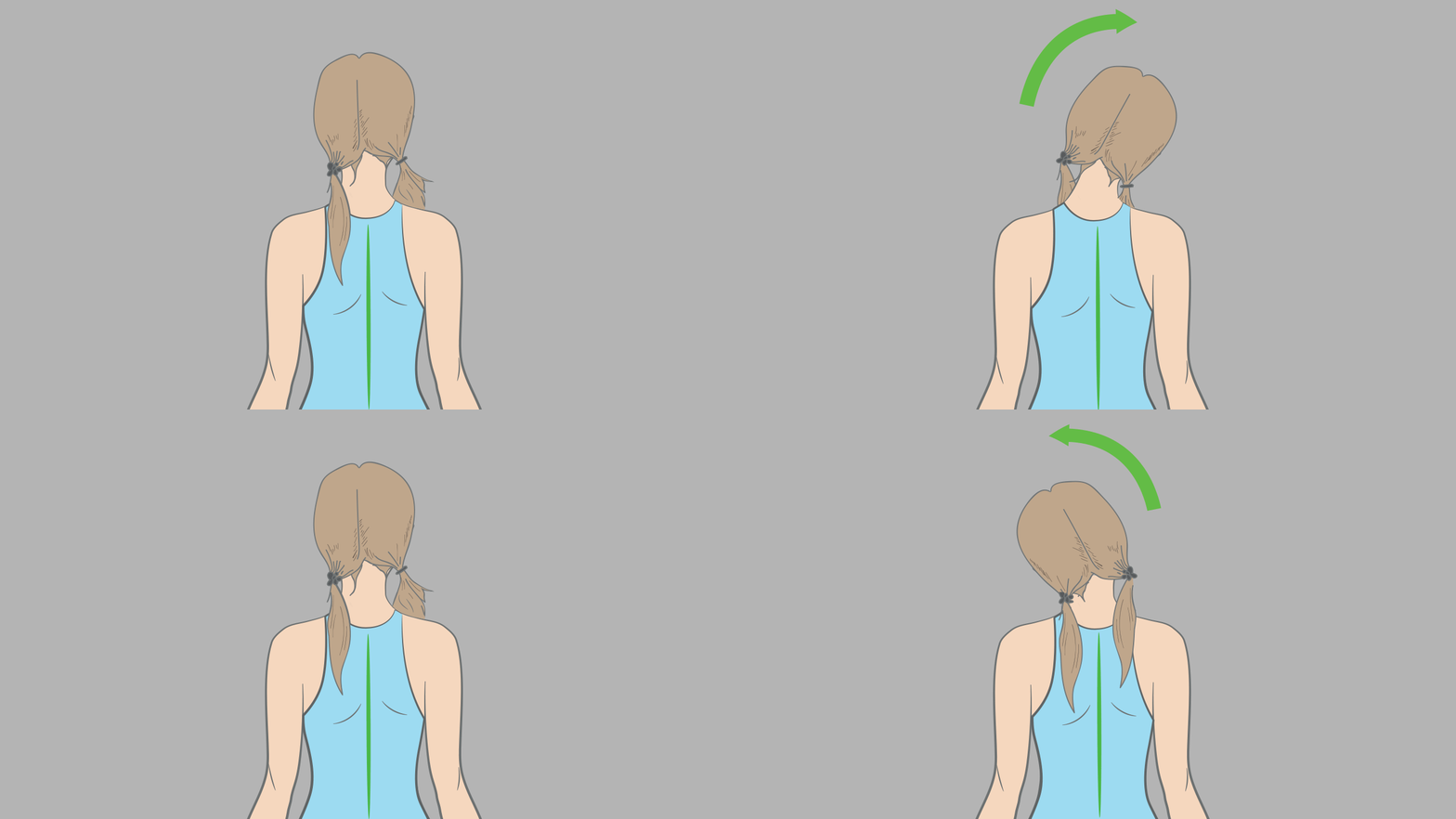
First on the stretch list is the neck.  Let’s face it, you probably do things throughout your day that are not very kind to your neck. Whether it’s hunching over your phone, cleaning up after the kids, or straining over your work computer, your neck puts up with a lot.   Give your neck a stretch by tilting one ear towards your shoulder while standing upright.  Once you’ve stretched you neck as far as feels comfortable, open your hand on the side you’re tilting away from, turning your palm outward.  This allows your neck to stretch a little bit further.

Calf

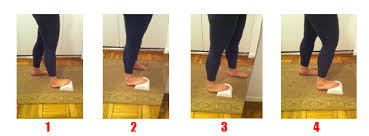
Next, is a calf.  For those of us who spend a lot of time on our feet this stretch can be a lifesaver.  Sore feet are caused in part by tight calf muscles.  And for those who may suffer from plantar fasciitis this stretch can be especially helpful.  You’re going to need one extra item: a towel.  Place your heel on a soft but stable surface like a rug or yoga mat. Roll up a towel and place the ball of your foot on it. Step forward with the other foot. Do this with your knee straight instead of bent.  Hold it for a good half a minute and then switch to your other foot.

Give yourself a few minutes to stretch.  You’ll feel better.

Written by Tom Farnsworth PT

Filed Under: desk job, feet, home exercise, pain

  • « Go to Previous Page
  • Page 1
  • Interim pages omitted …
  • Page 6
  • Page 7
  • Page 8
  • Page 9
  • Page 10
  • Interim pages omitted …
  • Page 15
  • Go to Next Page »

Primary Sidebar

Categories

  • back
  • desk job
  • fall risk
  • feet
  • health
  • home exercise
  • knee
  • knee pain
  • lateral epicondylitis
  • lifting
  • pain
  • piriformis syndrome
  • posture
  • sciatica
  • shoulder
  • sleep
  • treatment
  • Uncategorized
  • welcome

Recent Posts

  • Fire and Ice
  • Plantar Fasciitis
  • Achilles Heel
  • Piriformis Syndrome
  • Weird Flexors? Okay.

Footer Insurance

We accept most insurances!

See a list of our preferred providers.

Footer

Common Ailments & Injuries

50 years of experience has brought us a lot of patients, with a wide variety of problems. We have experience diagnosing and treating all types of injuries, but here are some of the most common:

  • Ankle and Foot
  • Back and Neck
  • Elbow
  • Hand and Wrist
  • Hip
  • Knee
  • Shoulder

What Our Patients Say:

We love working with people and always want our patients to feel like part of our family when they are here. Read what some of them have said about their experience with us.

Patient reviews


Sub Footer

Areas Served:

Mesa, Gilbert, Chandler, Phoenix, Queen Creek, Apache Junction, Tempe, Globe, Gold Canyon

Postal Address

Gilbert Office
730 N. Greenfield Rd.
Gilbert, AZ 85234

Phone: (480) 633-0666

Mesa Office
342 N Val Vista Dr. Suite 106
Mesa, AZ 85213

Phone: (480) 325-3310

FoptAZ.com

  • Home
  • Meet Our Therapists
  • Blog

© 2026 All Rights Reserved Farnsworth Orthopedic Physical Therapy